
DIY Understanding of: Pipes
If You Are Attempting To DIY your House's Piping...

You know what’s impressive? The ancient Romans built a water system so advanced that some of their pipes are still intact after 2,000 years.
Their was a time when as a plumbing apprentice, I was staring at all the different types of pipes lined up in the workshop and feeling completely overwhelmed. Fast forward 15 years, and I’ve worked with every pipe material you can imagine. Choosing the right pipe isn’t just about picking whatever’s cheapest – it’s about matching the material to the job perfectly.
The real eye opener is about 40% of household water damage comes from pipe failures that could’ve been prevented with the right pipe choice!
I’ve seen it all, from frozen copper pipes that burst during winter to PVC pipes that melted because someone used them for hot water lines…
I’m here to share EVERYTHING.
I’ve learned about different types of pipes and their uses, so you can avoid these costly mistakes.
Understanding PVC Pipes:
The Modern Plumbing Miracle
Here’s something most people don’t realize: not all PVC pipes are created equal. Schedule 40 and Schedule 80 might look similar, but they’re as different as night and day when it comes to pressure handling. People learn this the hard way when Schedule 40 PVC piping was used for an outdoor irrigation system that needed higher pressure resistance.
Unfortunately… their sprinklers turned into fountains real quick.
The beauty of PVC lies in its versatility.
I’ve used it for everything from basic drain lines to complex irrigation systems.
** One tip I always share with new technicians:
when you’re cutting PVC, make sure to use a proper deburring tool.
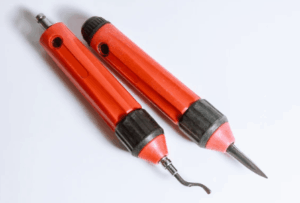
Those little plastic burrs inside the pipe can cause turbulence and reduce water flow – something I discovered after troubleshooting countless “low water pressure” complaints.
Temperature is key with PVC. One homeowner I had insisted on using PVC for their hot water lines because it was cheaper. Thankfully, I managed to talk them out of it!
PVC starts to soften at around 140°F (60°C)… which means it’s a no-go for hot water applications. Replacing melted pipes inside walls is not a fun weekend project.
With that being said… PVC is still considered a great cost savings.
A comparison for a 100-foot drain line installation: PVC came in at about $150 for materials, while cast iron would have cost over $600!
**But remember:
“The cheapest option isn’t always the most cost-effective in the long run.”
Metal Pipes: Copper, Galvanized Steel, and Cast Iron
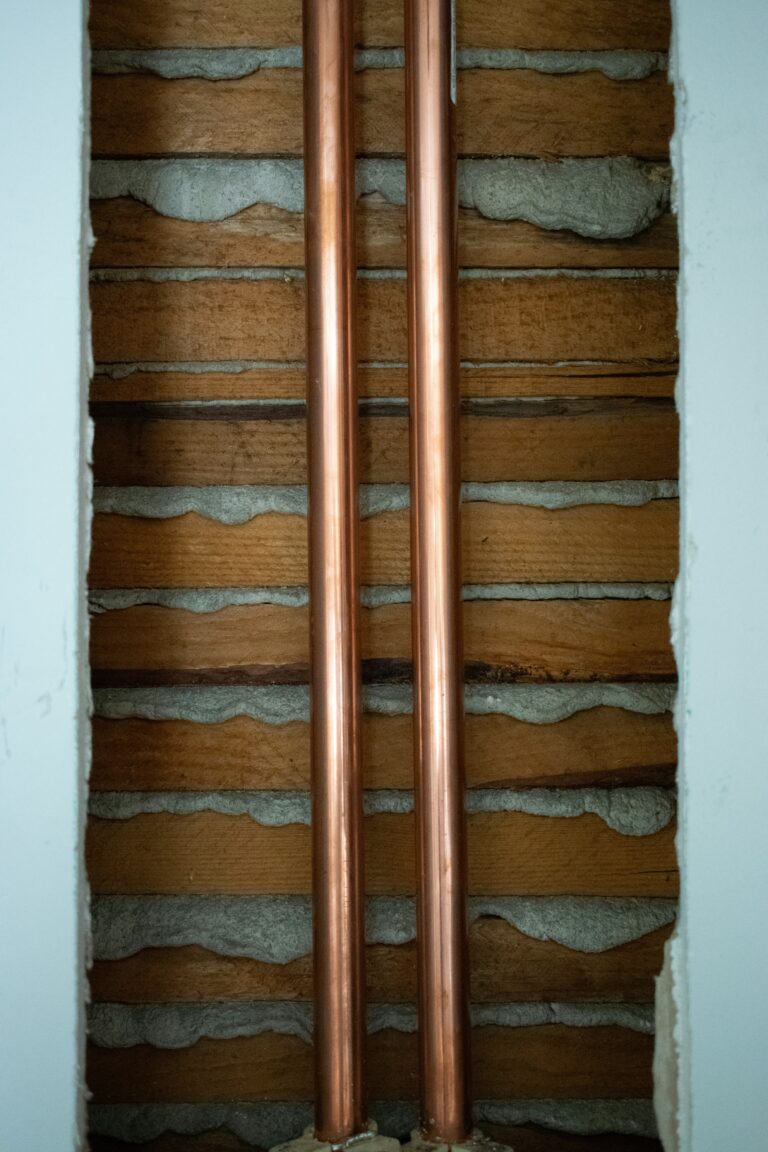
Considering working with copper?
Copper has been my go-to for hot water lines for decades.
Sure, it’s pricier than other options, but here’s some wisdom…
I installed copper pipes in my own home 20 years ago, and they’re still performing like new!
The key is proper installation and water quality. I once saw a copper pipe system fail after just five years because nobody checked the water’s pH levels (very expensive mistake).
Always check your water’s ph levels prior to installing copper.
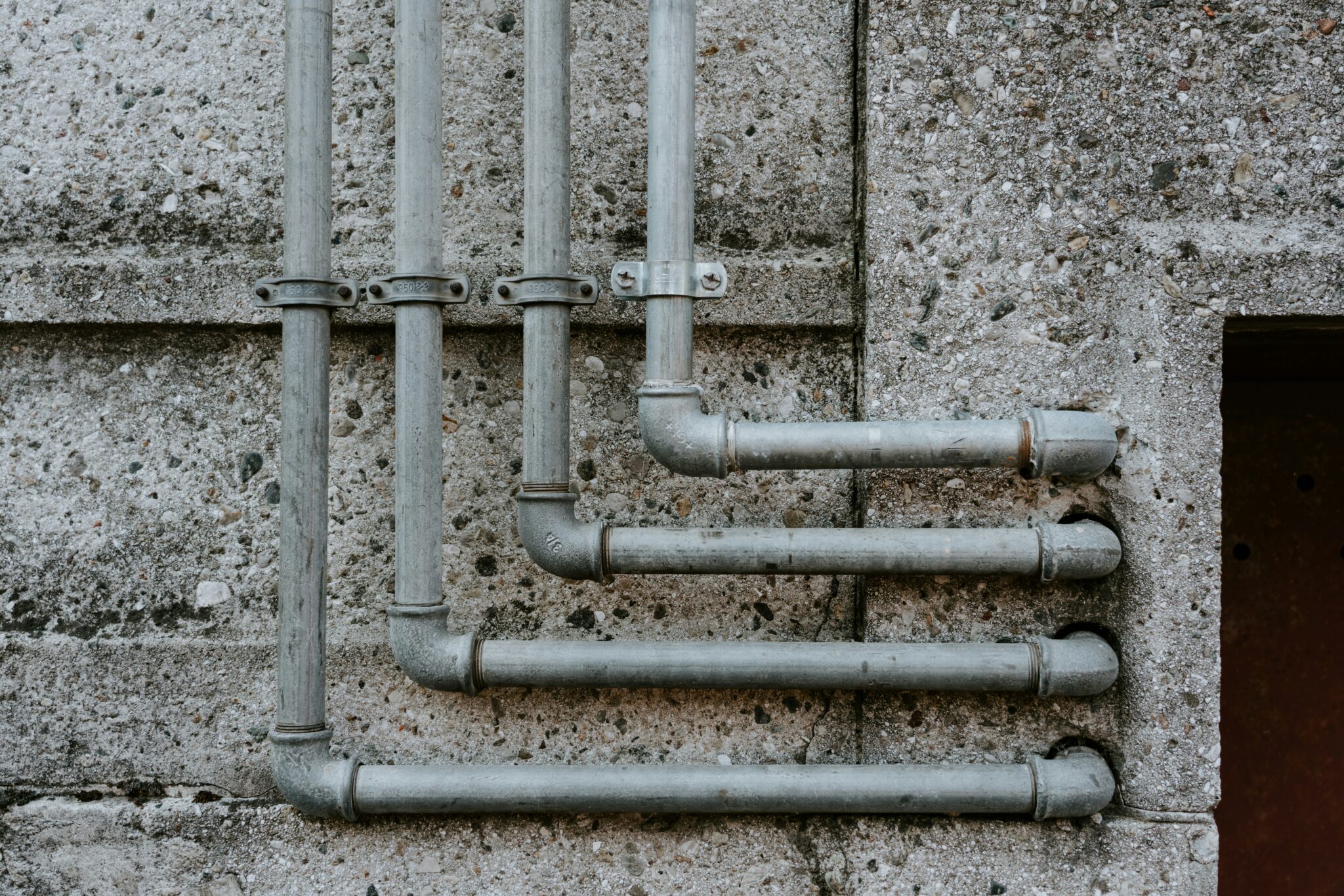
Considering working with galvanized steel pipes?
They've been around for decades but they can be a bit problematic
I’ve spent countless hours replacing corroded galvanized pipes in older homes.
**Pro tip: If you’re buying a house built before 1960, check what kind of pipes it has. Replacing galvanized plumbing isn’t exactly a weekend DIY project.
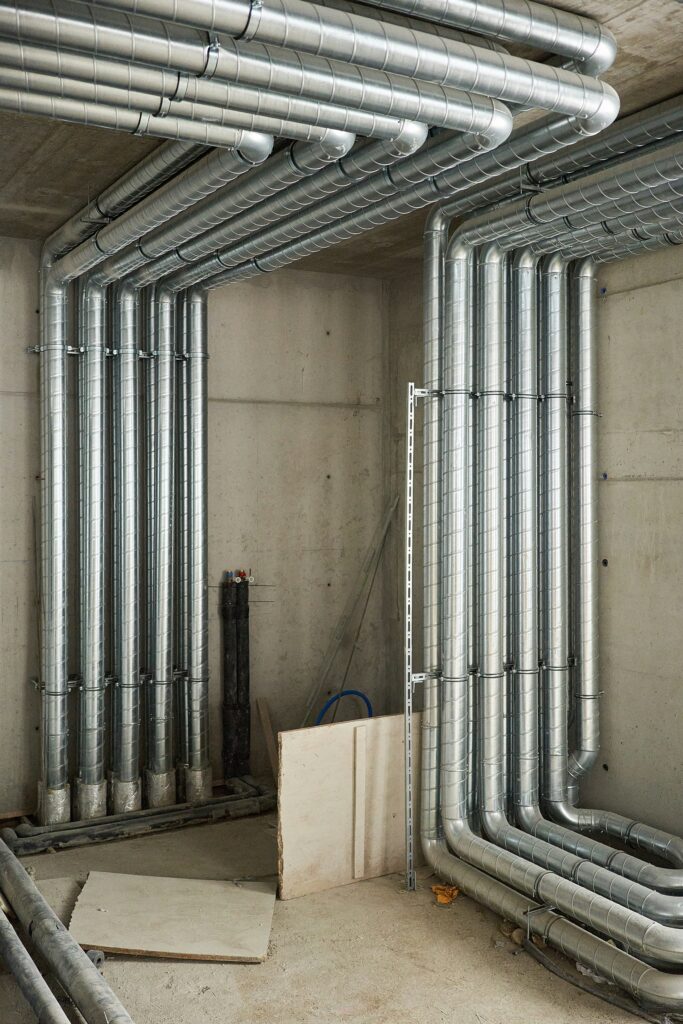
Considering working with cast iron?
Cast iron, now that’s what I call the heavyweight champion of the pipe world!
This type of piping is mainly used for drain lines, and let me tell you, they’re incredibly durable.
The best part about cast iron?
It’s practically soundproof. There was a client who couldn’t sleep because of noisy PVC drain lines – switching to cast iron solved the problem instantly.
CPVC Pipes: The Hot Water Solution
CPVC has honestly been a lifesaver countless of times in my career. I remember thinking, “Finally, a plastic pipe that can handle hot water!”
The ‘C’ stands for chlorinated, but I just think of it as the “Can handle heat” version of PVC.
Let me share something interesting: CPVC can handle temperatures up to 200°F (93°C)!
A client wanted to use regular PVC for their hot water lines because it was cheaper. After explaining the potential disaster scenario, they quickly changed their mind.
Installation is pretty straightforward, but there’s one crucial detail that often gets overlooked…
You’ve got to let the cement cure properly!
I have heard of other plumbers being in a hurry to pressure test the system as they did not want to wait the full curing time. (HUGE MISTAKE)
PEX Piping: The Future of Residential Plumbing
Can I just say how much I love PEX? This flexible piping system has revolutionized residential plumbing!
At first I was very skeptical of its capabilities;
A plastic pipe that you can bend?
That won’t leak at the joints?
Yeah, right!
But let me tell you, it’s become one of my absolute favorite materials for residential water supply lines.
Here’s a little secret about PEX that most people don’t know:
it’s actually self-healing to some extent.
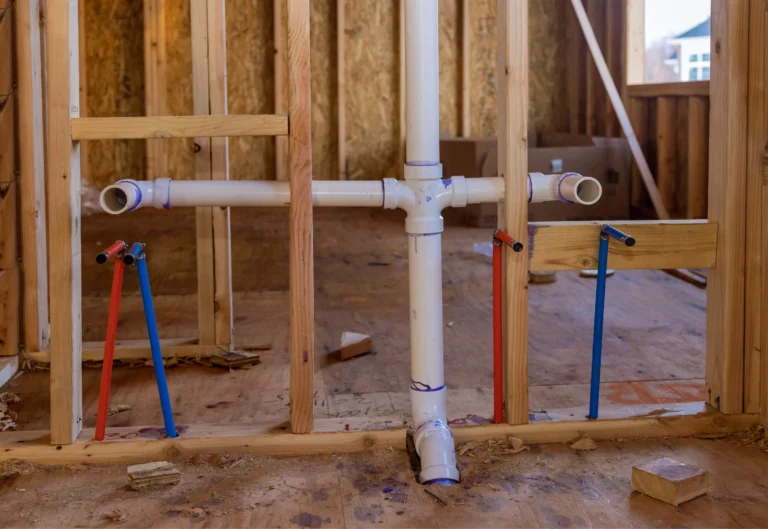
I’ve seen PEX pipes that were accidentally punctured by nails partially seal themselves. Try that with copper or CPVC! Plus, the color-coding system is genius – red for hot, blue for cold, and white for either. No more tracing pipes back to figure out which is which!
The flexibility of PEX is a game-changer. Imagine having to run a water line through a crawl space that had more twists and turns than a roller coaster.
With copper, it would have needed about eight joints.
With PEX? Zero joints! Just remember, don’t kink it – treat it like your garden hose.
ABS Pipes: Understanding Black Plastic Piping
This black piping is often mistaken for PVC, but its got its perks.
One thing I absolutely love about ABS is how it handles cold weather (not very relevant to south Florida… I know). But I have seen in North Florida and other southeastern states, where these pipes were the go-to choice for drainage systems.
They’re normally tougher than PVC when the temperature drops, and they don’t get brittle in the cold. This piping is very helpful overall for preventing a cracked drain pipe in the middle of winter.
The biggest mistake I see people make with ABS is not supporting it properly.
Yes, it’s lightweight, but that doesn’t mean it can defy gravity!
One installation had this pipe sagged so much it created a reverse slope. Let’s just say that didn’t end well for anyone involved.
Maintenance and Care Tips for Different Pipe Types
After spending years dealing with pipe problems, I’ve learned that maintenance is like medicine – prevention is better than cure!
1.) Regular inspections are crucial!
I make it a habit to check visible pipes every six months, and I recommend my clients do the same.
2.) Look for any signs of corrosion, leaks, or unusual discoloration. Even a small leak could turn into a major flood; This could present itself as an unseemly white residue on a copper pipe.
Here’s a pro tip that’s saved me countless headaches: keep a pipe maintenance log.
Write down when you notice changes, when you clean them, and any repairs you make. It might seem like overkill, but trust me, when you’re trying to figure out why that one section keeps having problems, you’ll thank me!
Final Thoughts...
Many piping solutions have been brought up here and choosing the right one can mean the difference between a reliable plumbing system and a costly disaster. Remember, each type of pipe has its sweet spot – there’s no one-size-fits-all solution in plumbing.
Whether you’re tackling a DIY project or working with a professional, understanding these different pipe types will help you make informed choices. And please, always prioritize safety and check local building codes before starting any plumbing project.
If you are in the Gainesville area and you still find yourself stuck, Give us a call immediately
Have you had any interesting experiences with different types of pipes? Maybe a plumbing disaster that taught you a valuable lesson?
If you found this guide helpful, don’t forget to bookmark it for future reference. Happy plumbing!