The Ultimate DIY Plumbing Kit:
Essential Tools, Materials, and Safety Gear Every Homeowner Needs
If You Are Attempting To DIY your House's Piping...
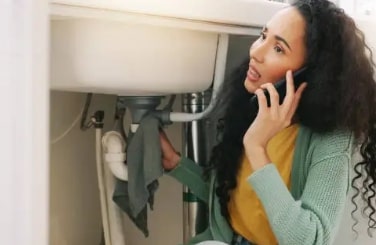
Plumbing emergencies can happen without warning — whether it’s a sudden leak, a clogged drain, or a burst pipe. According to home repair statistics, over one-third of homeowners experience a plumbing crisis at some point. Unprepared households often face expensive water damage and repair bills that could have been minimized with a few basic tools and supplies on hand.
However…
Building an emergency plumbing kit is an easy, cost-effective way to protect your home, your budget, and your peace of mind. This practical guide explains exactly what to include in your kit, how to organize it, and how to use it effectively when a problem arises.
What Are Emergency Plumbing Supplies?
Emergency plumbing supplies are a carefully selected set of tools, repair materials, and safety equipment that allow you to address urgent plumbing issues immediately. Instead of waiting for professional help during a minor crisis, these items help you control leaks, clear blockages, and reduce water damage until a licensed plumber can make permanent repairs.
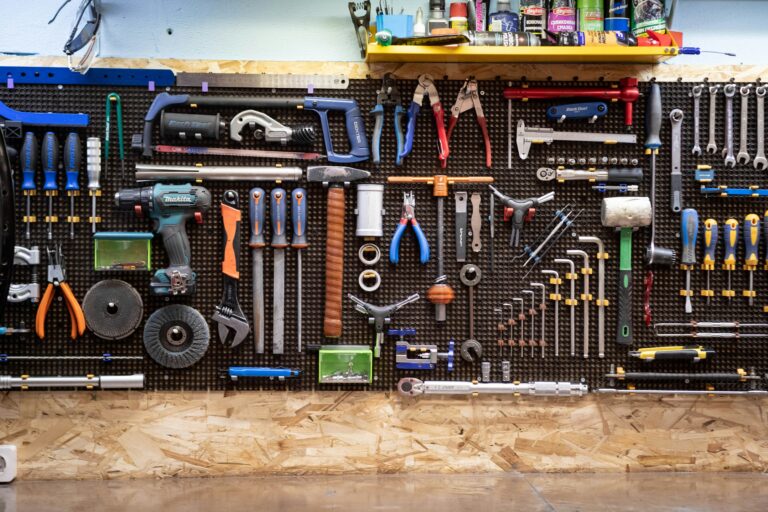
A well-prepared kit typically includes: Basic Tools: For performing adjustments and temporary fixes.
Repair Materials: To seal leaks and reinforce pipe joints.
Safety Gear: To protect yourself while working in wet or confined areas.
Organization and Storage: So you can locate what you need quickly when time is critical.
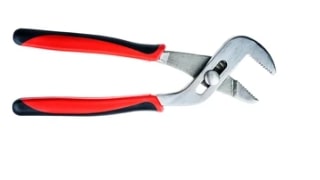
These adjustable pliers grip pipes and fittings securely, making it possible to loosen stubborn joints or tighten slip nuts under sinks. Without them, simple adjustments often become impossible by hand.
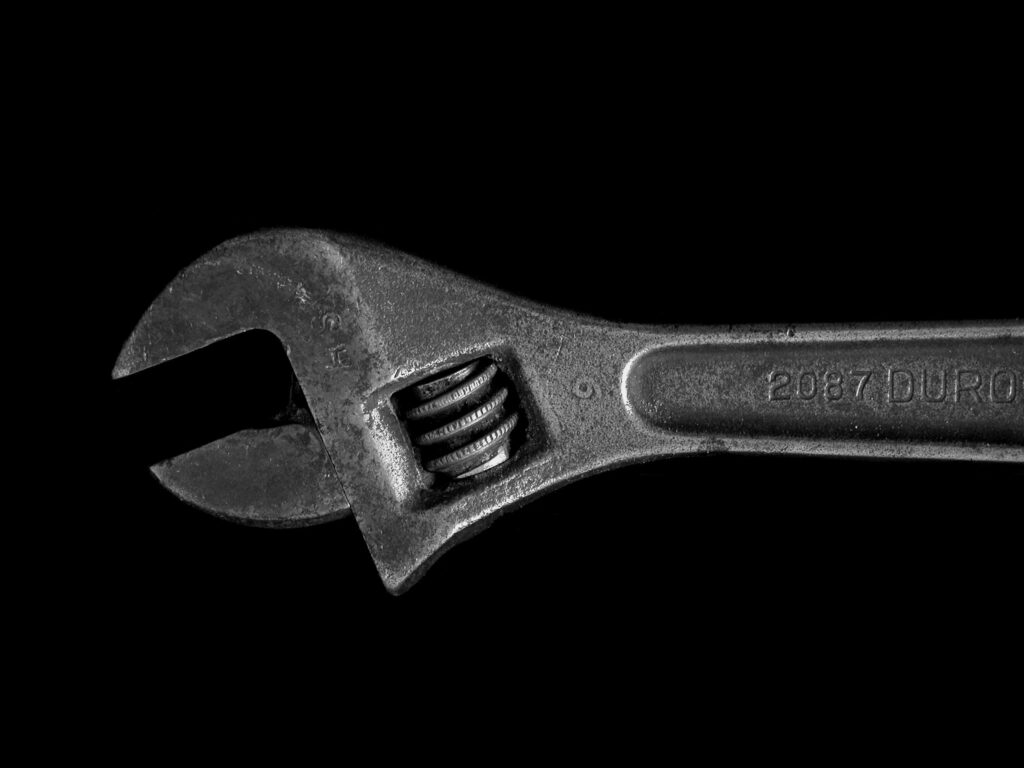
2. Adjustable Wrench
An adjustable wrench fits various nuts and bolts used in faucets, valves, and pipe fittings. Its secure grip reduces the chance of stripping threads or damaging fixtures.
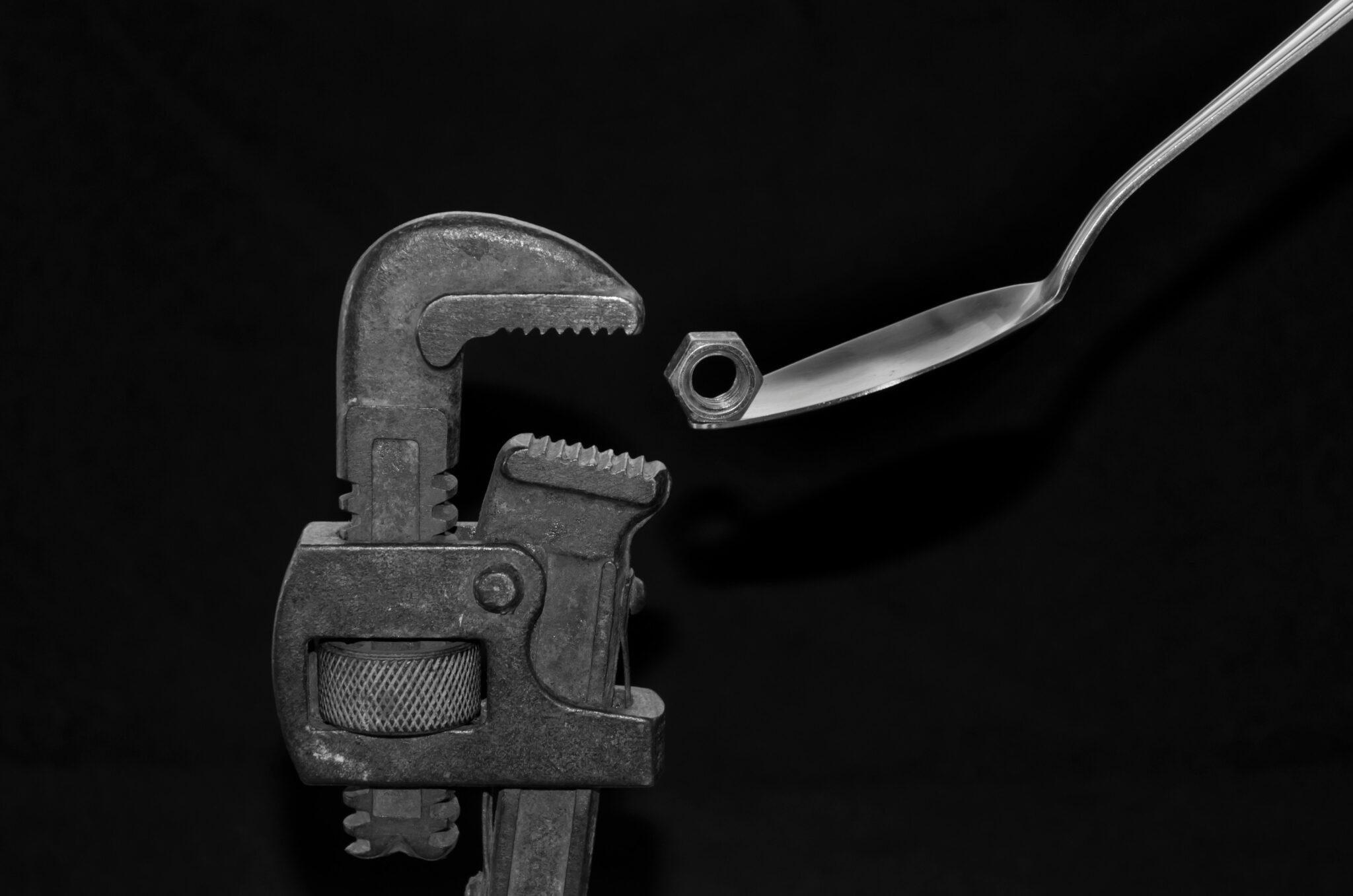
3. Pipe Wrench
This heavy-duty wrench grips round pipes tightly, allowing you to tighten or loosen connections that would slip with other tools. For threaded metal pipes, a pipe wrench is essential.
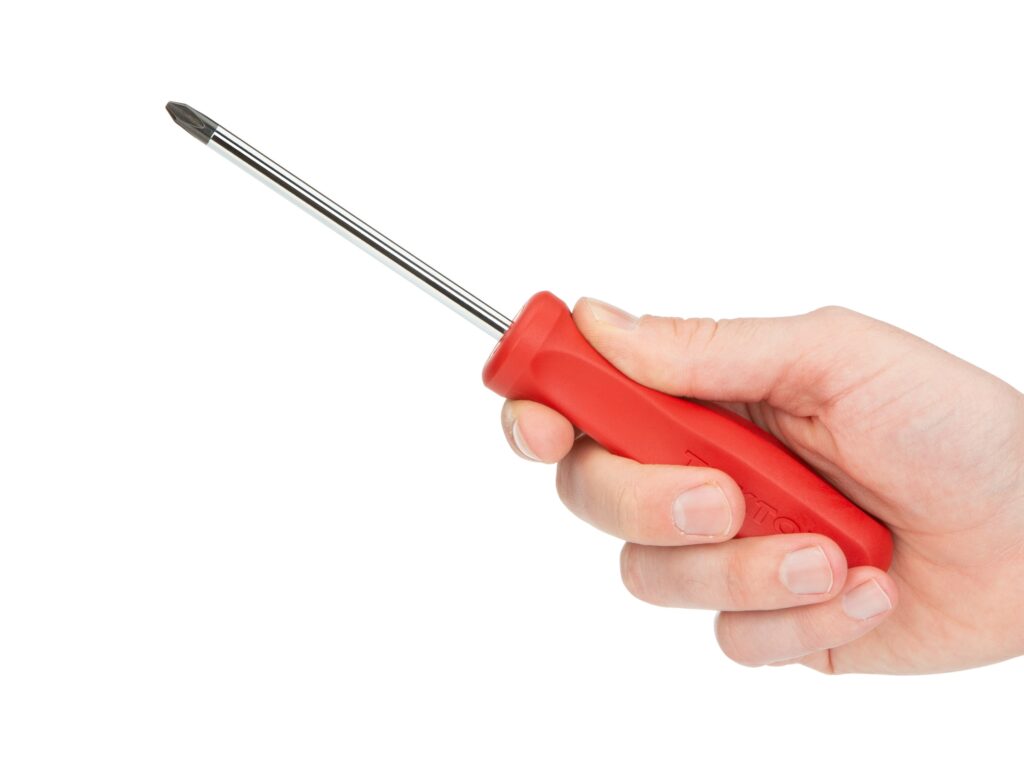
4. Multi-Tip Screwdriver
Plumbing work often involves multiple screw types. A multi-tip screwdriver means you won’t waste time looking for the right size or head type when removing escutcheons, faucet handles, or drain covers.
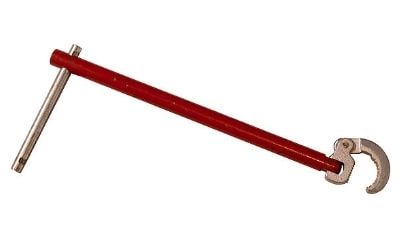
5. Basin Wrench
Faucets often have nuts located in tight, hard-to-reach spots behind sinks. A basin wrench’s long shaft and pivoting jaw make it possible to work on these without disassembling your entire vanity.
6. Plungers (Sink and Toilet)
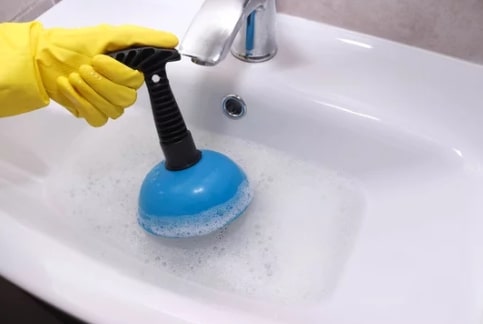
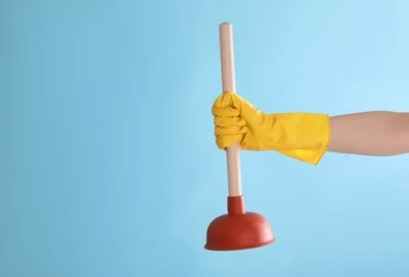
A clogged drain or toilet can quickly escalate into overflow and water damage. Having a plunger designed for toilets and another for sinks ensures that you can clear most blockages quickly and properly.
7. Drain Snake or Auger
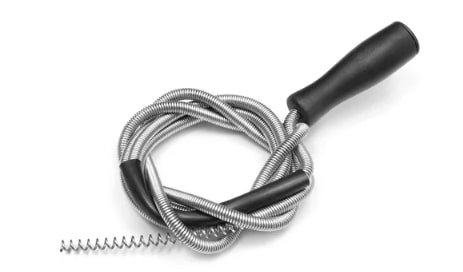
For blockages that a plunger can’t clear, a drain snake reaches deep into pipes to break up hair, grease, or other obstructions. This can restore proper drainage without harsh chemicals that may damage pipes.
8. Tubing Cutter
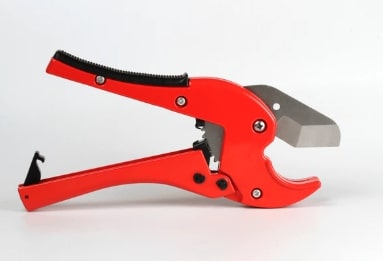
If you ever need to cut copper, PVC, or PEX pipes during a repair, a tubing cutter ensures clean, straight cuts, which are critical for leak-free connections.
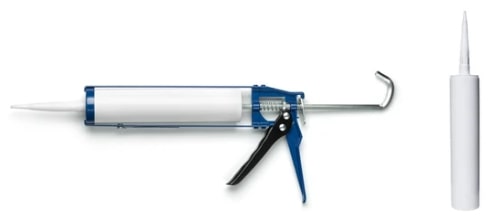
9. Caulk Gun
Sealing joints and edges around sinks, tubs, or showers prevents moisture from seeping into walls and causing mold or structural damage. A caulk gun provides controlled, consistent application.
Must-Have Plumbing Materials
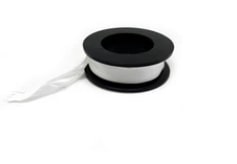
Teflon Tape:
Also called plumber’s tape, it wraps around pipe threads to ensure a watertight seal when connecting fittings. It prevents leaks at joints and is standard for shower heads and faucet connections.
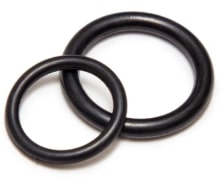
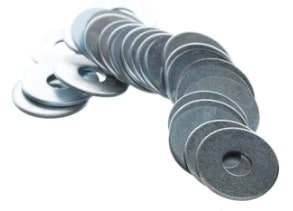
Washers and O-Rings:
Rubber washers and O-rings are common points of failure in faucets and valves. A small assortment allows you to fix a dripping tap or running toilet without waiting for parts.
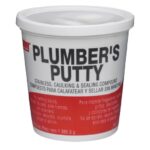
Plumber’s Putty:
This soft, moldable compound creates a tight seal under faucet bases and around drains, preventing water from seeping under fixtures.
Caulk:
Waterproof silicone or latex caulk seals gaps around plumbing fixtures, keeping water out of walls and cabinets.
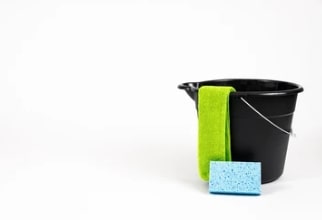
Bucket and Absorbent Rags:
Always have a bucket ready to catch leaking water and rags to mop up spills quickly, limiting water damage.
Plumbing emergencies often occur in tight, dark, or awkward spaces. The right safety gear protects you and helps you work efficiently.
Flashlight or Headlamp: Essential for illuminating hard-to-reach areas under sinks or behind appliances.
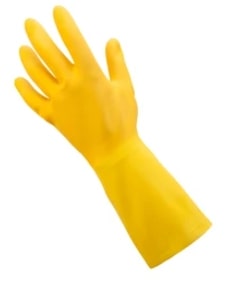
Protective Gloves: Durable rubber gloves protect your hands from sharp edges, cleaning chemicals, and hot water.
Safety Goggles: Safeguard your eyes from debris, pressurized water sprays, or cleaning agents.
How to Build and Organize Your DIY Plumbing Kit
Creating an organized emergency kit ensures that when a plumbing issue occurs, you don’t waste time searching for tools or supplies.
1.) Take Inventory: Identify what tools and materials you already own. Cross-check against the list above to see what needs to be added.
2.) Prioritize Essentials: Focus on tools and materials that address the most common problems: clogs, small leaks, and dripping faucets.
3.) Choose Quality: Invest in tools made from durable materials. Poor-quality tools can fail under pressure and may damage plumbing parts.
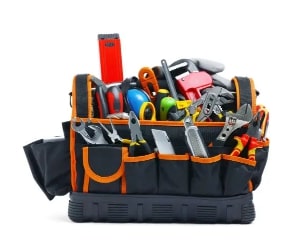
4.) Select a Storage Solution: A sturdy, waterproof toolbox, heavy-duty tote, or a 5-gallon bucket with a tool organizer is ideal. It should be large enough to hold everything but small enough to store in a utility closet or garage.
5.) Label and Arrange: Organize tools so they’re easy to see and reach. Store smaller items like Teflon tape, washers, and putty in labeled bags or containers within the kit.
6.) Review Regularly: Check your kit twice a year. Replace missing or worn-out items and restock any materials you have used.
When and How to Use Your Plumbing Kit
Having the right tools is only half the solution — knowing when and how to use them protects your home from extensive damage.
For Leaks:
– Shut off the nearest shutoff valve or the main water supply.
– Use your pipe wrench or adjustable wrench to tighten any loose fittings.
– Apply Teflon tape or pipe repair tape to seal small leaks temporarily.
For Clogs:
– Start with the correct plunger (sink or toilet). Position it properly to create a tight seal.
– Use slow, steady pressure to dislodge blockages.
– If plunging fails, insert a drain snake to reach and break up the clog further down the line.
For Fixture Repairs:
– Shut off the water supply to the affected fixture.
– Use appropriate tools (basin wrench, channel-lock pliers) to remove old parts.
– Replace worn washers or O-rings to stop drips.
– Reseal connections with Teflon tape and test before restoring full water flow.
When to Call a Professional Plumber
While an emergency plumbing kit allows you to handle many minor problems, some issues should always be left to a licensed professional:
Major pipe bursts or flooding.
Persistent leaks that resist quick fixes.
Sewer line backups.
Repairs involving gas lines connected to water heaters.
Calling a qualified plumber for complex problems ensures safe, code-compliant solutions that protect your home long-term.
Final Thoughts...
A well-stocked emergency plumbing kit empowers homeowners to take control of sudden plumbing issues, minimizing water damage and avoiding unnecessary stress. Equipped with reliable tools, essential repair materials, and proper safety gear, you can address many small plumbing problems quickly and confidently.
Routine inspections and a well-organized kit ensure you’re always ready. Invest a little time now to save time, money, and headaches later.
*P.S. Now is the perfect time to assemble or update your DIY plumbing kit. Check your supplies, pick up any missing essentials, and be ready for whatever plumbing surprise comes your way.