
Hear from Our Customers
Most homes in Copeland Settlement were built between 1940 and 1969. That’s not a fun fact — it’s a warning. Galvanized steel supply lines. Cast-iron drains. Plumbing systems that are now 55 to 85 years old and running on borrowed time. When something fails in a home like that, it doesn’t give you much notice.
What changes after a proper repair isn’t just the leak. Your water bill stops climbing for no reason. The soft spot in the floor stops spreading. The smell in the hallway goes away. You stop wondering if that stain on the ceiling is getting bigger. Those aren’t small things — especially in a home where deferred maintenance has a way of compounding fast.
Copeland Settlement sits right along the Newnans Lake corridor, where the water table runs high and moisture doesn’t need much of an invitation to cause damage. In that environment, a slow leak inside an older wall or beneath a slab isn’t just a plumbing problem — it’s a mold problem, a structural problem, and a cost problem all at once. Getting it fixed correctly the first time is the only version of this that actually saves you money.
We serve the eastern Gainesville corridor, including Copeland Settlement and the Newnans Lake Homesites area. Our technicians have worked on pre-1970 construction, mobile homes, slab foundations, and every aging plumbing configuration that comes with housing stock built across five different decades. This isn’t a company that learned on modern PVC and hopes for the best when we see something older.
Copeland Settlement is in unincorporated Alachua County, which means permits run through the county’s Department of Growth Management — not the City of Gainesville. We know that process, pull the right permits, and make sure your repair is documented and code-compliant. That matters when you go to sell, file an insurance claim, or just want to know the work was done right.
You’re not going to get a technician who has to look up your ZIP code. This area is part of our regular service run.
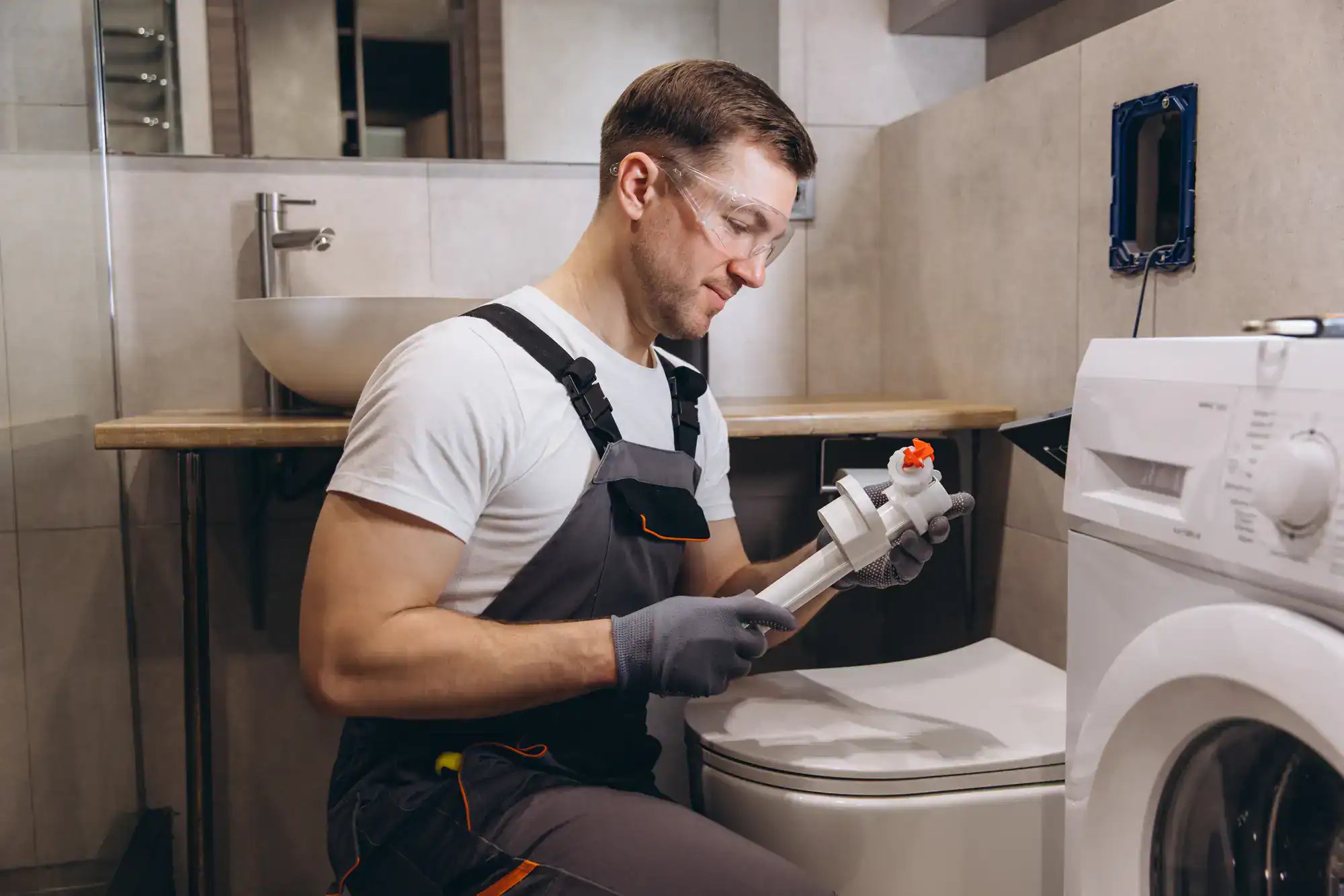
It starts with a call. Whether it’s 2 PM or 2 AM, you reach a real person — not a voicemail that gets checked in the morning. You describe what’s happening, and we dispatch a technician to Copeland Settlement with the right equipment for the job. Our 24-hour plumbing repair availability isn’t a marketing line — it’s how we actually operate, because older homes in this area don’t schedule their failures around business hours.
When our technician arrives, the first priority is diagnosis. In homes built before 1970, the visible symptom and the actual source are often in different places entirely. A ceiling stain might be a supply line. A soft floor might be a slab leak that’s been running for months. A slow drain might be root intrusion in an aging cast-iron line. Nothing gets repaired until the source is confirmed — because fixing the wrong thing is just expensive guesswork.
Once the problem is identified, you get a clear explanation of what’s wrong and what it will cost before any work begins. No surprises after the fact. If the repair requires a permit from Alachua County’s Building Division — which it will for any work that alters the plumbing system — we handle that as part of the job. The work gets done, inspected, and documented. You end up with a repair that’s built to last and a paper trail that protects you.
Ready to get started?
Plumbing repair in Copeland Settlement, FL covers a wider range of situations than most people expect — because the housing stock here demands it. Emergency plumbing repair and burst pipe repair service are the most urgent calls, but under slab leak repair is one of the most common issues in mid-century concrete slab homes, where copper and cast-iron lines run beneath the foundation and deteriorate quietly for years before they announce themselves. By the time you notice the water bill spike or the warm spot on the floor, the damage is already underway.
Ceiling leak plumbing repair is another area that comes up constantly in older Copeland Settlement homes. The challenge is that a ceiling stain could be a plumbing failure from above — or it could be a roof issue that has nothing to do with your pipes. Getting that diagnosis wrong costs you twice. We work through the differential before touching anything, so the repair actually solves the problem.
Mobile home plumbing repair is also part of our regular workload here. A significant share of homes in this area are mobile homes, and they have their own systems — flexible supply lines, belly-wrap drainage, compact fixture configurations — that require a different approach than site-built construction. Emergency water leak repair, urgent residential plumbing repair, and routine pipe replacement are all handled the same way regardless of home type: diagnosed correctly, priced honestly, and repaired to Florida Building Code standards.
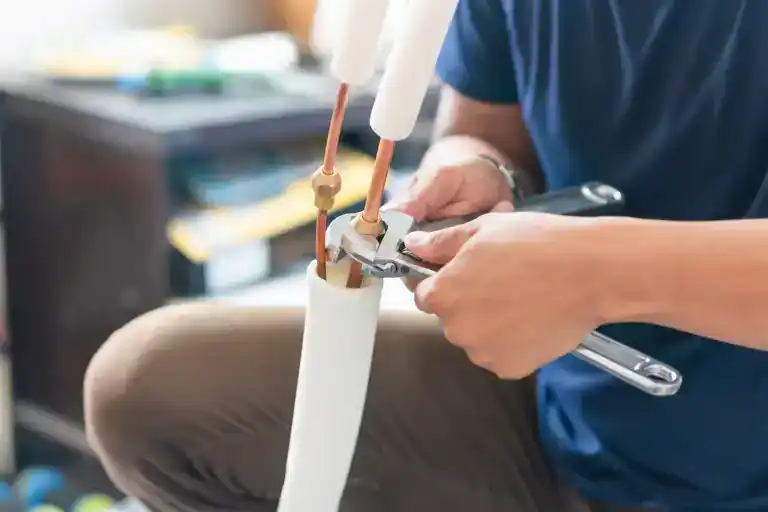
The signs are easy to miss at first, which is what makes slab leaks so costly. The most common indicators are a water bill that’s climbing without explanation, a warm or wet spot on your floor, the sound of running water when everything is turned off, or cracks appearing in your walls or flooring. In some cases, you’ll notice low water pressure throughout the house.
In Copeland Settlement, a large share of homes were built on concrete slabs in the 1950s and 1960s, with copper or cast-iron lines running directly beneath the foundation. Those pipes are now 60 to 70 years old in many cases, and corrosion doesn’t ask permission before it creates a pinhole. The longer a slab leak runs undetected, the more it undermines your foundation and creates conditions for mold growth in the subfloor. If you’re seeing any of those signs, it’s worth getting a professional diagnosis before the repair scope gets significantly larger and more expensive.
This is one of the most common diagnostic mistakes in older homes, and getting it wrong is expensive. A plumbing-related ceiling leak usually appears directly below a bathroom, laundry room, or kitchen — somewhere with active supply or drain lines above. If the stain appears after heavy rain but there’s no plumbing directly above it, a roof or flashing failure is more likely. But it’s not always that clean-cut, especially in homes where the original layout has been modified over the decades.
The right approach is a methodical diagnosis before any repair work starts. That means checking for active drips versus moisture migration, inspecting the space above the stain if accessible, and ruling out condensation from HVAC lines, which is another common culprit in Florida’s humid summers. In Copeland Settlement’s older homes — many of which have been modified, re-roofed, or had additions built on over the years — the source isn’t always obvious. A technician who jumps to a repair without confirming the source is going to leave you with the same stain and a lighter wallet.
Yes, for most work beyond simple fixture replacement. Because Copeland Settlement is in unincorporated Alachua County — not within the City of Gainesville — permits are issued by the Alachua County Department of Growth Management’s Building Division, not the city. Any repair that alters the plumbing system itself requires a permit: pipe replacement, rerouting, sewer line work, and similar jobs all fall into that category. Swapping out a faucet or toilet without touching the supply or drain lines generally does not.
This matters more than most homeowners realize. Unpermitted plumbing work can void a homeowner’s insurance claim if the damage is later tied to that work. It can also create serious complications when you go to sell the property — buyers’ inspectors find unpermitted work, and it becomes a negotiating problem or a deal-breaker. We handle the permit process as part of the job, so you’re not left managing county paperwork on top of a plumbing emergency. The work gets done right, inspected, and documented.
Yes, and it’s a regular part of our workload in this area. Mobile homes use different plumbing configurations than site-built homes — polybutylene or flexible plastic supply lines, belly-wrap drainage systems that run beneath the home’s floor pan, and compact fixture layouts that require a different approach to access and repair. Some plumbers decline mobile home work or treat it as an afterthought. That’s not the case here.
Polybutylene pipe, which was installed widely in mobile homes from the 1970s through the mid-1990s, is a known failure risk — it degrades from the inside out and can fail without much visible warning. If your mobile home was built during that period and hasn’t had the supply lines replaced, it’s worth knowing what you have. Belly-wrap drainage systems are also prone to sagging and blockages over time, particularly in Florida’s heat. We handle mobile home plumbing repair in Copeland Settlement, FL with the same urgency and thoroughness as any other residential job — no up-charges for home type, no excuses.
The first thing is to shut off your main water supply. In most homes, the shutoff is located near the water meter, which in Alachua County is typically at the street or near the property line. If you don’t know where yours is, find it now — before you need it. Turning off the water stops the flow and limits how much damage spreads while you wait for a technician to arrive.
After the water is off, open a faucet at the lowest point in the house to drain any remaining pressure from the lines. If water has already reached electrical outlets, panels, or appliances, don’t re-enter that area until the power is off. Document the damage with photos before cleanup begins — this matters for insurance purposes. Then call for burst pipe repair service immediately. In an older home with galvanized or cast-iron pipes, a burst is rarely an isolated event — it usually signals that the surrounding pipe is under similar stress, and a technician needs to assess the full scope before the repair is complete.
Copeland Settlement sits just half a mile east of the Gainesville city limits along the State Road 20 corridor — it’s not a remote community, but it’s also not a neighborhood that gets the same attention as higher-income areas closer to the University of Florida. Historically, this community was documented as lacking a safe, reliable water supply as recently as the 1970s, and the infrastructure that was eventually built out here is now aging alongside the homes it serves.
We serve this area because the need is real and the housing stock is demanding. Older homes, mobile homes, aging galvanized and cast-iron systems, slab foundations with deteriorating buried lines — these are not problems that a company unfamiliar with mid-century construction is going to handle well. The residents of Copeland Settlement deserve a plumber who shows up, diagnoses the problem correctly, charges a fair price, and does the work to code. That’s what we’re here to do.