
Hear from Our Customers
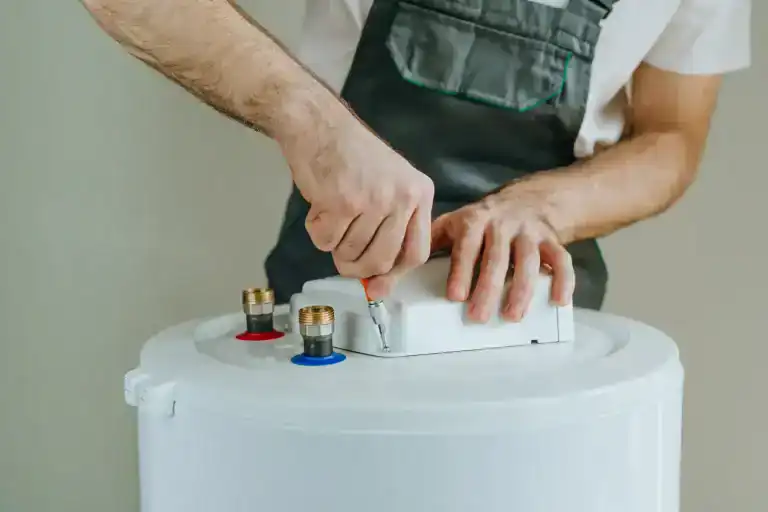
A water stain on your ceiling isn’t just an eyesore — in a Northwood bungalow with original plaster walls and hardwood floors, it’s a clock ticking toward mold, structural damage, and a repair bill that keeps growing. The faster you get a real plumber on-site, the more of your home you save.
Homes in the Old Northwood Historic District and Northwood Hills weren’t built with modern pipe systems. Many still have mid-century copper lines running beneath concrete slabs — and West Palm Beach’s limestone and sandy substrate shifts seasonally, stressing those pipes until they crack. If you’ve noticed a spike in your water bill, warm spots on your floor, or damp walls you can’t explain, there’s a real chance you’ve got a slab leak working against you right now.
What you get when it’s handled correctly is simple: the leak stops, the source is found, and your Northwood home goes back to normal. No repeat visits, no temporary patches that fail in six months, and no guesswork about what’s happening inside your walls. Just a clear diagnosis, a straight answer, and a repair that holds.
We at Dee-Rooter Plumbing, Sewer & Drain Co. have been working in and around Northwood and Palm Beach County long enough to know that this neighborhood isn’t generic. The homes here — especially in Old Northwood and Northwood Hills — have real history, real character, and real plumbing challenges that come with age. A house built in 1924 doesn’t have the same pipe system as something built in 2005, and it shouldn’t be treated that way.
When you call us, you’re not getting a technician who’s reading about Northwood for the first time on the drive over. You’re getting someone who understands why galvanized steel corrodes from the inside out, what slab movement looks like in limestone-based soil, and why a slow ceiling leak in a historic Northwood home can become a mold problem within 48 hours if it’s not caught. We handle the permit process with the City of West Palm Beach’s Building Division so you don’t have to navigate that on top of an already stressful situation.
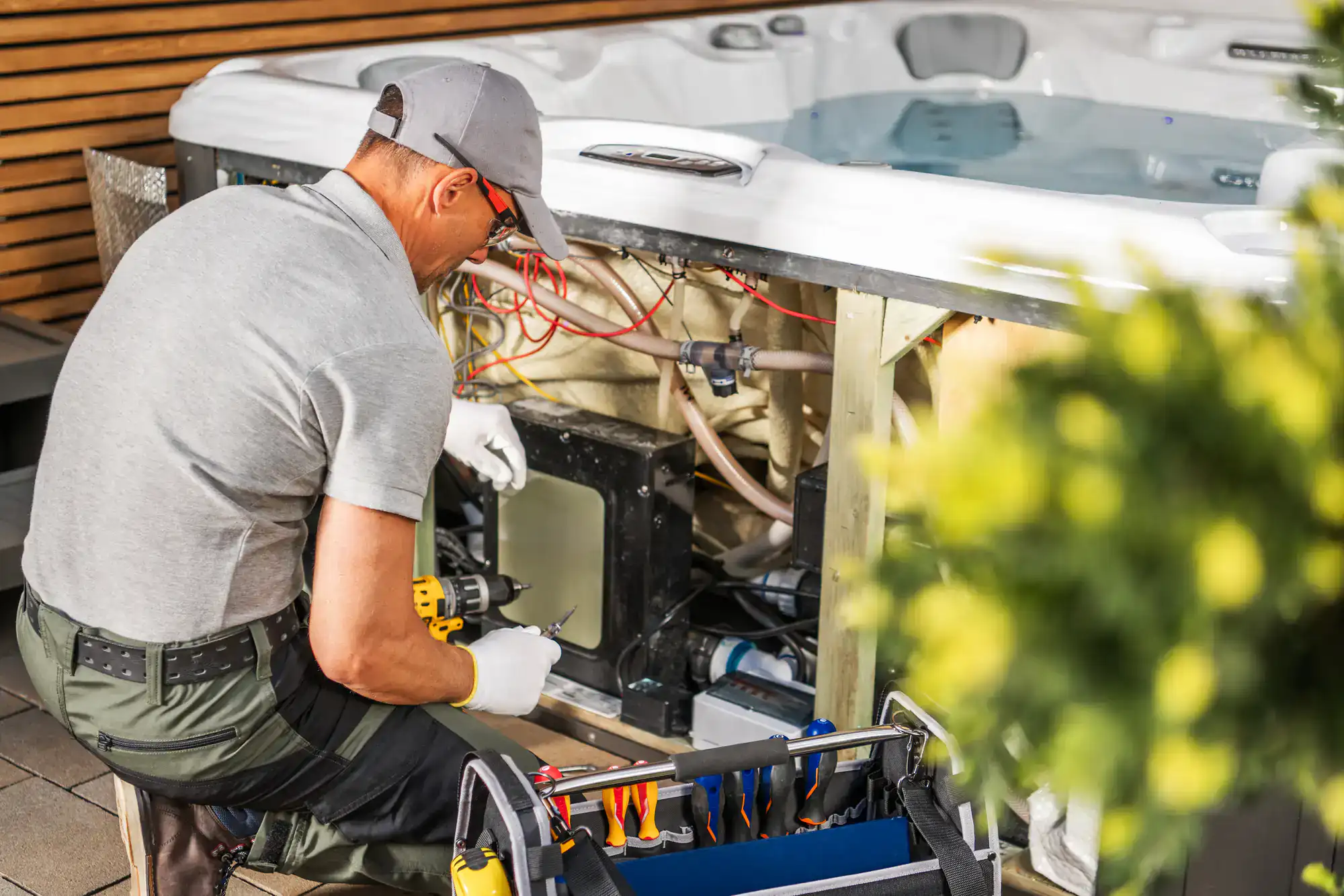
When you call us for plumbing repair in Northwood, FL, the first thing that happens is simple: a real person answers. Not a voicemail, not a scheduling queue — someone who can assess what you’re dealing with and get a technician moving toward your address. In a neighborhood with tight residential streets like Northwood Hills’ figure-eight layout, knowing the area matters. Our technicians aren’t burning time getting lost.
Once on-site, our first priority is stopping active damage. If there’s a burst pipe or an active water leak, we isolate it immediately. Then comes the diagnostic work — finding where the problem actually started, not just where the water showed up. For slab leaks, that means using detection equipment to locate the break precisely before any concrete gets cut. For ceiling leaks, it means tracing the source up through the structure, not just patching the visible stain. In homes within the Old Northwood or West Northwood Historic Districts, we work carefully around original finishes and flag anything that may require review under the city’s historic preservation guidelines.
After the repair, you get a clear explanation of what was found, what was done, and what — if anything — you should watch going forward. If permits are required under the Florida Building Code, we handle the application and inspection coordination. You shouldn’t have to manage city paperwork while also managing a plumbing emergency.
Ready to get started?
We handle the full range of residential plumbing repair emergencies in Northwood, FL — and the scope of what that means here is specific. Emergency water leak repair in a Northwood Harbor home near the Intracoastal Waterway involves different considerations than the same call in an inland area. Salt-air exposure off the waterway accelerates corrosion on metal fittings and valve bodies, so our repairs in that corridor use materials suited to the coastal environment, not just the immediate symptom.
Under slab leak repair in Northwood, FL gets special attention because of the region’s geology. The limestone and sandy substrate beneath West Palm Beach shifts with moisture — more dramatically near tidal areas along North Flagler Drive — and that movement cracks copper pipes over time. We locate the leak precisely before any slab is opened, minimizing disruption to your floors and foundation. For homeowners mid-renovation who’ve uncovered aging pipe systems during a kitchen or bathroom gut, we can integrate into your active project and deliver code-compliant work that passes City of West Palm Beach inspection.
Ceiling leak plumbing repair, burst pipe repair, and urgent residential plumbing repair are all handled with the same approach: find the real source, fix it correctly, and document the work. Whether you’re a homeowner in Old Northwood, a landlord managing a rental on the 33407 corridor, or a property manager with a tenant calling at midnight — one call reaches a team equipped to handle it.
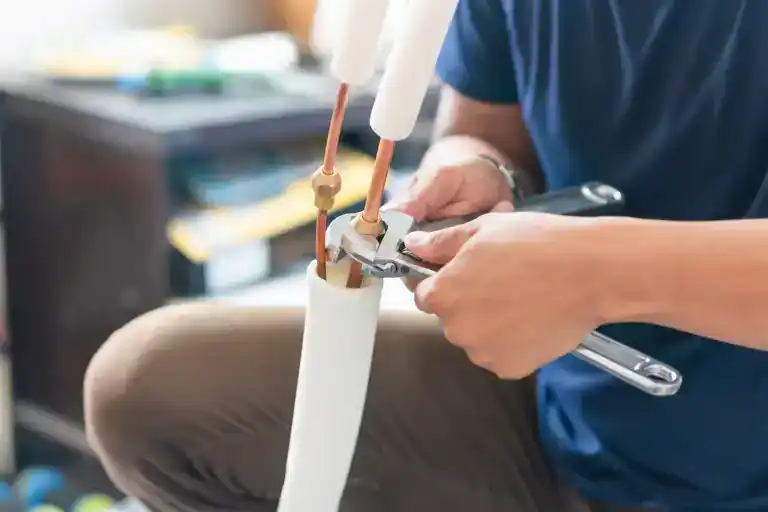
The most common signs are a water bill that’s suddenly higher than normal, warm or damp spots on your floor, the sound of running water when everything’s turned off, or cracks appearing in your flooring or baseboards. In Northwood, FL — particularly in older homes in Old Northwood and Northwood Hills — slab leaks are more common than most homeowners expect. The limestone and sandy substrate beneath West Palm Beach shifts seasonally as moisture levels change, and that movement puts consistent stress on copper pipes running beneath concrete slabs.
If you’re seeing any of those signs, don’t wait on it. Slab leaks don’t resolve on their own, and in South Florida’s humidity, the water migrating through your foundation can trigger mold growth in wall cavities within 24 to 48 hours. We can use detection equipment to locate the break precisely — without cutting concrete blindly — and give you a clear picture of what you’re actually dealing with before any repair work begins.
If water is actively spreading, you can’t identify the source, or you’ve lost control of the situation — that’s an emergency. Burst pipes, ceiling leaks that are actively dripping, water backing up from drains, and visible flooding all qualify. In Northwood, FL, the urgency is real because the climate doesn’t give you a grace period. West Palm Beach’s humidity means that water sitting in a wall cavity or beneath a floor overnight isn’t just an inconvenience — it’s a mold risk that compounds by the hour.
After-hours calls are exactly what our 24-hour plumbing repair service exists for. If you’re a landlord or property manager with a tenant calling you at 11 p.m. about water coming through a ceiling, that’s the call we’re set up to handle. Waiting until morning to deal with an active leak in a historic Northwood home — where original plaster, hardwood floors, and irreplaceable finishes are at stake — is almost always the more expensive decision.
It depends on what you’re dealing with, but most emergency water leak repairs — once a technician is on-site — move quickly. Stopping an active leak and isolating the source is typically the first thing that happens, and that part usually takes under an hour. The full repair timeline depends on where the leak is, how accessible the pipe is, and whether the fix requires any permit coordination with the City of West Palm Beach.
For straightforward supply line or joint failures, same-day repair is common. For more complex situations — like a slab leak that requires precise detection before any concrete is opened, or a ceiling leak that traces back to a failing pipe two floors up — the diagnostic phase adds time, but it’s time well spent. Cutting into the wrong spot in a historic Northwood home because a technician rushed the diagnosis creates a much bigger problem than taking an extra hour to get it right.
It depends on the scope of the work. Routine repairs — like fixing a leaking joint or replacing a section of damaged pipe — often don’t require a permit. But work that involves new pipe installations, slab penetrations, or significant pipe replacements falls under the Florida Building Code (8th Edition) and typically does require a permit through the City of West Palm Beach Building Division. A Notice of Commencement may also need to be recorded at the Palm Beach County Recording Department at 205 North Dixie Highway before work above certain thresholds can begin.
For properties in the Old Northwood Historic District or West Northwood Historic District, there’s an additional layer to be aware of. Exterior excavation — like digging to access a main line or slab — may trigger a review by the city’s Historic Preservation Board, particularly if surface restoration is involved. We handle the permit application and inspection coordination so you’re not navigating city requirements on top of an active plumbing problem. We know the process, and we manage it for you.
Two main reasons: the local geology and the water chemistry. West Palm Beach sits on limestone and sandy substrate that shifts with seasonal moisture changes — expanding during the wet season and contracting during the drier winter months. That constant movement puts stress on copper pipes running beneath concrete slabs, and over time, that stress causes cracks and pinhole leaks. In Northwood Harbor and along North Flagler Drive, the proximity to the Intracoastal Waterway adds tidal influence to the equation, creating even greater soil moisture fluctuation than you’d see a few miles inland.
On top of that, South Florida’s water supply is slightly acidic, which accelerates corrosion inside copper pipes from the inside out. A pipe that looks structurally fine on the outside can be paper-thin internally after decades of exposure. Homes in Old Northwood and Northwood Hills — many built between the 1920s and 1950s — are in the age range where these failures become increasingly common, especially if the original or mid-century plumbing hasn’t been replaced.
Yes — and the experience to do it correctly matters here more than it does in a newer subdivision. The Old Northwood Historic District contains over 320 buildings, most of them built during the 1920s Florida land boom. Many have been beautifully restored on the outside while still running original or mid-century plumbing inside — galvanized steel supply lines that corrode from the inside out, cast iron drain lines that crack and collapse over time, and early copper systems that fail at joints after decades of South Florida’s slightly acidic water running through them.
Working in a historic Northwood home requires a different level of care. Our approach in these properties is to diagnose precisely before opening anything, work around original finishes wherever possible, and flag any work that may fall under the city’s Historic Preservation Board review requirements before proceeding. The goal is always to fix what needs fixing without creating new damage to the architectural details that make these homes worth protecting in the first place. If you’re in Old Northwood or Northwood Hills and dealing with a plumbing issue, the answer isn’t to treat your home like a standard tract house — and we don’t.