
Hear from Our Customers
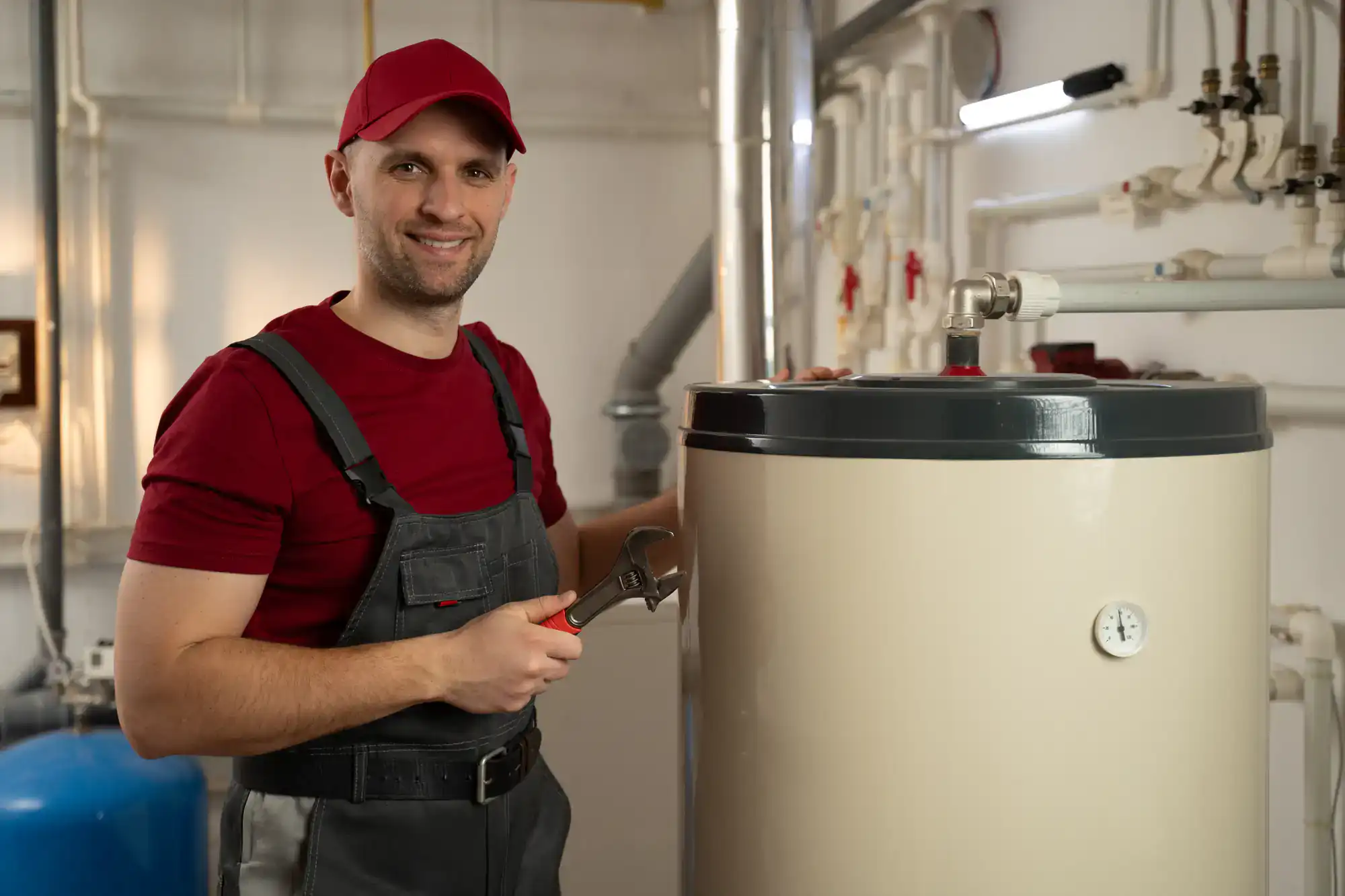
A water heater that stops working doesn’t just mean a cold shower. It means disrupted mornings, kids getting ready without hot water, dishes piling up, and a problem that gets more expensive the longer it sits. The goal isn’t just to fix it — it’s to fix it today, explain what happened, and make sure you’re not dealing with the same issue again in six months.
Beville Heights homes were built between 1960 and 2014, and a significant portion of that housing stock is running water heaters that have been quietly accumulating mineral deposits from Gainesville’s moderately hard municipal water. At 126 to 140 parts per million, the Floridan Aquifer water that GRU delivers to your tap carries dissolved calcium and magnesium that settle on tank floors and heating elements over time. That buildup reduces efficiency, strains components, and shortens the life of the unit — often years before it should fail.
For homes in the older mid-century blocks of Beville Heights, that wear compounds with age. What you get back after a proper repair isn’t just hot water — it’s a unit that’s been honestly evaluated, correctly diagnosed, and fixed without someone trying to upsell you into a replacement you may not need yet. That’s the difference between a service call and a real solution.
Dee-Rooter Plumbing, Sewer & Drain. Co. is a family-owned plumbing company based in Gainesville, serving Beville Heights and the surrounding west Gainesville corridor seven days a week, including holidays. When you call, a real person answers. When a technician shows up, their name is on the job — and that accountability shows in the work.
We hold a verified 5.0 rating on HomeAdvisor, a platform that requires job completion confirmation before a review can even be posted. That’s not a number inflated by anonymous submissions. It reflects real jobs, real customers, and real outcomes. Technicians like Chris and Rich are referenced by name in multiple verified reviews — because this is a small, experienced team where quality is personal, not procedural.
Beville Heights sits right in the heart of our service area, just off the NW 8th Avenue corridor near Cofrin Nature Park and the Hogtown Creek watershed. We’re not dispatching from a regional hub three counties over. We know this neighborhood, know the housing stock, and know exactly what Gainesville’s water does to a water heater over time.
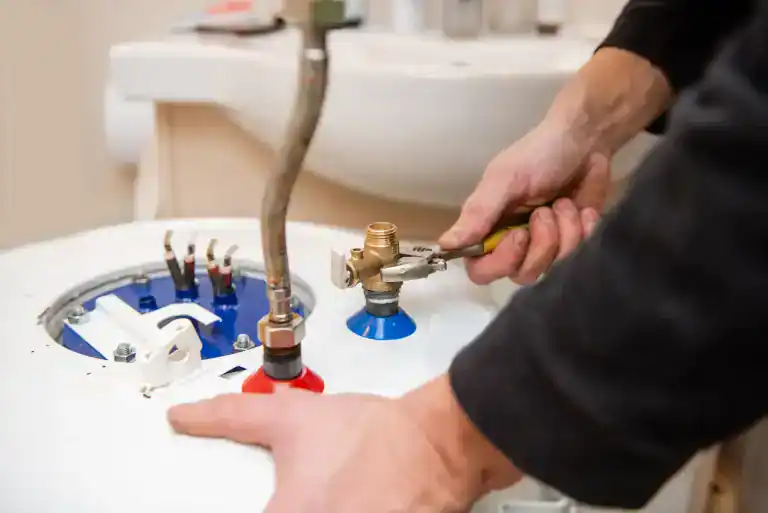
When you call Dee-Rooter, you’re not navigating a phone tree or leaving a voicemail for a callback window. You reach someone directly, describe what’s happening, and get a same-day arrival commitment. That’s the first step — and it happens fast, because most water heater problems can’t wait until next week.
Once a technician arrives at your Beville Heights home, the first thing that happens is a proper diagnosis — not a sales pitch. The technician will assess the unit, identify the actual cause of the failure, and walk you through what they found before any work begins. You’ll get an upfront price. No surprises, no dispatch fee just for showing up, and no pressure to replace a unit that can legitimately be repaired. One verified customer saved $800 because a Dee-Rooter technician recommended a part repair instead of pushing a full replacement. That’s the standard, not the exception.
If the work requires a permit — which water heater replacements in the City of Gainesville do — we handle that from start to finish. The permit is pulled, the work is done to code, and the inspection is scheduled. For Beville Heights homeowners, that matters beyond today: unpermitted water heater work can complicate a home inspection at resale and create insurance issues if water damage ever occurs. Licensed, permitted work protects your home the right way.
Ready to get started?
Water heater repair in Beville Heights covers a wide range of issues, and the call you make determines how quickly any of them get resolved. We handle emergency water heater repair for active leaks and burst tanks, same-day hot water heater repair when you’ve lost hot water entirely, flooded water heater repair when a failure has already caused water to spread, and no hot water plumbing repair for situations where the unit is running but not performing. Gas and electric units, tank and tankless — any brand, any age, any configuration found in this neighborhood’s six decades of housing stock.
Leaking water heater repair service calls in Beville Heights often trace back to the same root cause: mineral sediment from Gainesville’s hard municipal water has degraded the tank lining, the anode rod has been depleted, or a pressure relief valve is failing under the strain of a unit that’s been working harder than it should. These aren’t random failures — they’re predictable outcomes of local water conditions meeting aging equipment. Knowing that in advance means faster diagnosis and more accurate repairs.
For burst or flooded situations, the priority is containment first. If you’re dealing with active water on the floor, shut off the cold water supply line to the tank and cut power or gas to the unit before calling. We’ll walk you through that on the phone if needed and dispatch immediately. Same-day response isn’t a best-case scenario here — it’s the baseline commitment for every call.
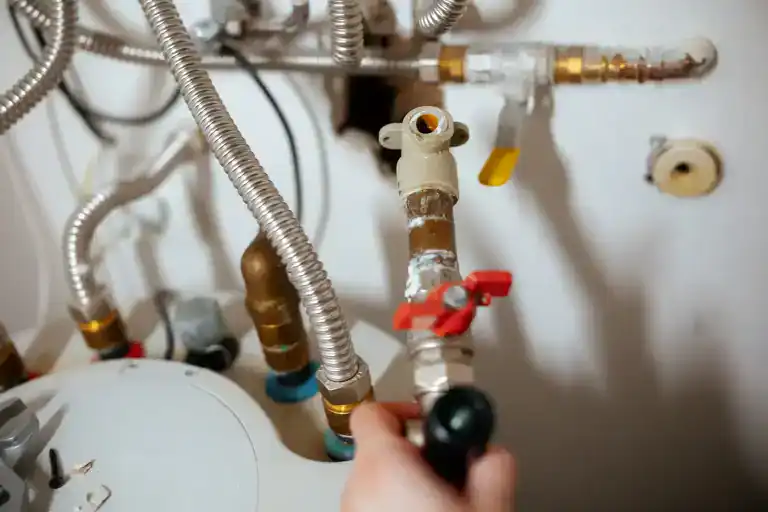
For repairs — replacing a heating element, fixing a thermostat, swapping a pressure relief valve — a permit is generally not required. But if the job involves a full water heater replacement, the City of Gainesville requires a permit pulled through their Building Division before work begins. This applies to all properties within the incorporated city limits, which includes Beville Heights.
That permit process exists for a reason. A state-certified inspector verifies that the installation meets current Florida Building Code requirements — proper venting, correct pressure relief valve configuration, appropriate seismic strapping, and compliant connections to the GRU gas or electric supply. When we handle a replacement in Beville Heights, the permit is pulled by our licensed contractor, not handed off to you. The inspection gets scheduled, passed, and documented. That paper trail matters if you ever sell your home or file an insurance claim related to water damage.
The honest answer is: it depends on the unit’s age, the nature of the failure, and what a repair would actually cost relative to the remaining useful life of the equipment. A water heater under ten years old with a failed heating element or a worn thermostat is almost always worth repairing. A tank that’s actively rusting, has a compromised lining, or is showing multiple simultaneous failures after fifteen-plus years is usually at the end of its road.
In Beville Heights specifically, the hard water from the Floridan Aquifer accelerates the timeline. Mineral sediment on the tank floor and depleted anode rods are common findings in homes here, and they age equipment faster than the manufacturer’s rated lifespan assumes. A Dee-Rooter technician will diagnose the unit, tell you what they found, and give you a straight answer — repair cost versus replacement cost, with no pressure either direction.
The most common causes of a complete loss of hot water are a failed heating element (electric units), a faulty thermostat, a tripped high-limit switch, or a failed gas burner assembly or thermocouple (gas units). In most cases, at least one of these is the culprit — and most are repairable without replacing the entire unit.
In Gainesville and Beville Heights specifically, sediment buildup from the Floridan Aquifer’s moderately hard water plays a significant role. When calcium and magnesium deposits accumulate on the bottom of the tank and around the lower heating element, the element has to work harder to heat through the insulating layer of sediment. Over time, that extra strain burns out the element faster than it otherwise would. If you’re hearing a rumbling or popping sound from your water heater before it stops producing hot water, that’s usually the sediment issue announcing itself. Flushing the tank and replacing the element can often restore full function — no new unit required.
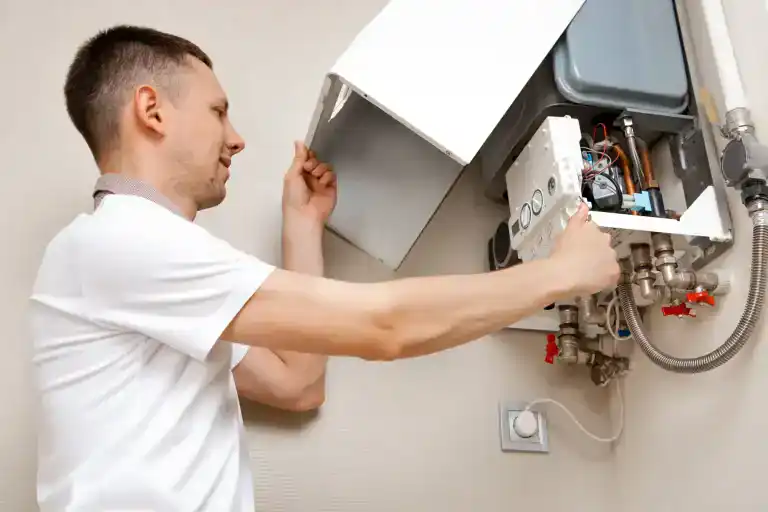
First, locate the cold water supply valve on the top of the unit — it’s the pipe coming in from above — and turn it off to stop water from continuing to flow into the tank. If you have a gas water heater, turn the gas valve to the pilot position or off entirely. For electric units, go to your breaker panel and cut power to the water heater circuit. These steps stop the situation from getting worse while you wait for a technician.
Where the leak is coming from matters. A leak from the pressure relief valve on the side of the tank often means the unit is overheating or the valve itself has failed — both are serviceable issues. A leak from the bottom of the tank, especially in an older unit, can indicate internal corrosion or a compromised tank lining, which typically means the unit needs to be replaced. A Dee-Rooter technician will assess the source on arrival and give you a clear picture before any work begins. Same-day response for leaking water heater repair service in Beville Heights is standard — call as soon as you notice it.
The manufacturer-rated lifespan for a standard tank water heater is 8 to 12 years, and roughly 75% of units fail before hitting the 12-year mark nationally. In Beville Heights, the Floridan Aquifer water that comes through GRU’s system can shorten that window. The dissolved minerals in Gainesville’s water — calcium and magnesium at 126 to 140 parts per million — accumulate inside the tank over time, degrading the anode rod, stressing the heating elements, and gradually wearing down the tank lining.
For homes in the older sections of Beville Heights — particularly those built in the 1960s through 1980s — it’s worth knowing where your current unit falls in that lifespan. A unit that’s 8 years old and showing early signs of sediment buildup is a candidate for maintenance and monitoring. A unit that’s 13 years old and starting to leak is likely near the end of its useful life regardless of repair options. Annual flushing to remove sediment and periodic anode rod inspection can meaningfully extend the life of a water heater in this area, even given the local water conditions.
Some plumbing companies in the Gainesville market charge a fee — in some cases $89 or more — just to send a technician to your home, before any diagnosis, before any work, before you’ve agreed to anything. We don’t operate that way. A free estimate means a technician comes to your Beville Heights home, assesses the problem, and gives you a clear price — and then you decide.
The reasoning is straightforward: most homeowners calling about a water heater problem don’t know yet whether they’re looking at a $150 element replacement or a full unit swap. Charging someone $89 before they even have that information puts the financial burden on the wrong side of the conversation. In a neighborhood like Beville Heights — where residents are engaged, research-oriented, and have real options in the Gainesville market — that kind of upfront transparency is what earns a call back and a referral to a neighbor. It’s not a promotional offer. It’s just how a company that’s confident in its pricing and its work chooses to operate.