
Hear from Our Customers
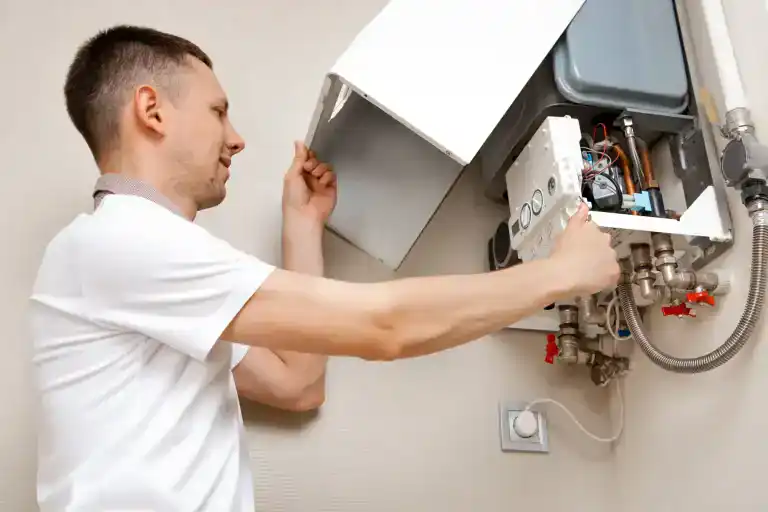
Most water heater calls don’t end in a replacement. A failed heating element, a tripped reset, a worn thermostat — these are fixable problems, and fixing them costs a fraction of what a new unit runs. What you actually want is someone who’ll tell you which one it is before any money changes hands. That’s what a free estimate is for.
Lincoln Estates is a neighborhood of midcentury ranch homes — most built between 1960 and 1978 — and the water heaters in those homes are working against two things at once: age and Gainesville’s hard water. The city’s water comes straight from the Floridan Aquifer and carries roughly 8.2 grains per gallon of dissolved minerals. Every time your unit heats that water, those minerals settle at the bottom of the tank. Over time, that sediment layer forces your heater to work harder, drives up your energy bill, and causes the rumbling or popping sounds that usually show up right before something fails.
When we show up and actually flush the tank, check the anode rod, and test the T&P valve — instead of just quoting you a new unit — that’s the difference between a $250 repair and an unnecessary $2,500 replacement. That’s what you should expect from a water heater repair call in Lincoln Estates, and that’s exactly what we deliver.
We are a family-owned and operated plumbing company based in Gainesville, serving Lincoln Estates and the broader Alachua County area around the clock — including weekends and holidays. When you call, you reach a real person. When our technician arrives, they’re invested in the outcome because their name is attached to it.
That matters more in a neighborhood like Lincoln Estates than most people realize. This is a community with roots — roughly 600 homes, a strong identity, and residents who know each other. A company that cuts corners or pushes unnecessary work doesn’t last long here. We’ve earned a verified 5.0 rating on HomeAdvisor, a platform that requires confirmed job completion before a review posts. That’s not a self-reported number — it’s from customers who had the work done and chose to say something.
From SE 15th Street to the streets around Williams Elementary, we know this side of Gainesville. And we show up when we say we will.
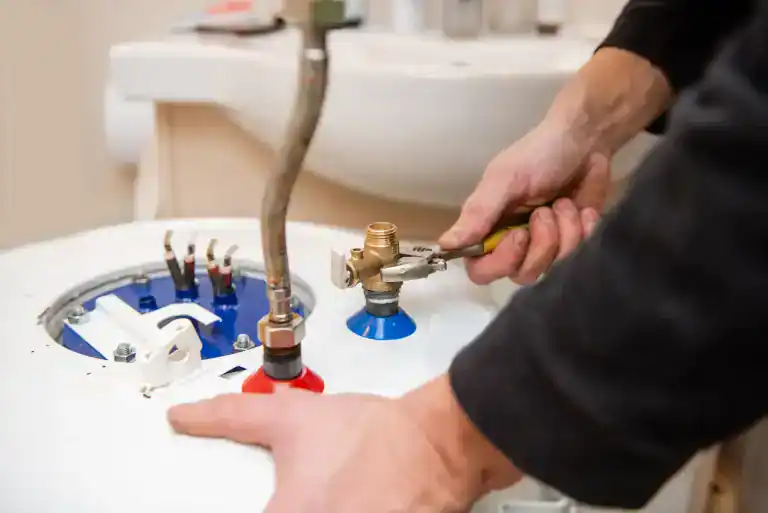
It starts with a phone call — and unlike a lot of companies, someone actually answers. You describe what’s going on: no hot water, a strange noise, water pooling around the base, whatever it is. From there, we dispatch a technician to Lincoln Estates the same day. No four-hour windows that stretch to eight. A real arrival time, and a call when the tech is on the way.
Once on-site, our technician does a full assessment before anything else. They look at the unit, check the age, test the components, and identify what’s actually causing the problem. In Lincoln Estates homes — where units are often older and mineral buildup from Gainesville’s aquifer water is a consistent factor — that diagnostic step is where most of the value lives. You find out what’s wrong, what it costs to fix it, and whether the repair makes financial sense given the age and condition of the unit. No pressure, no pitch. Just the information you need to make a call.
If the repair moves forward, the work gets done right — licensed, permitted through the City of Gainesville’s Building Division where required, and backed by a warranty on parts and labor. If a replacement turns out to be the smarter move, you’ll hear that too, along with honest options. Either way, you leave the conversation knowing exactly what happened and why.
Ready to get started?
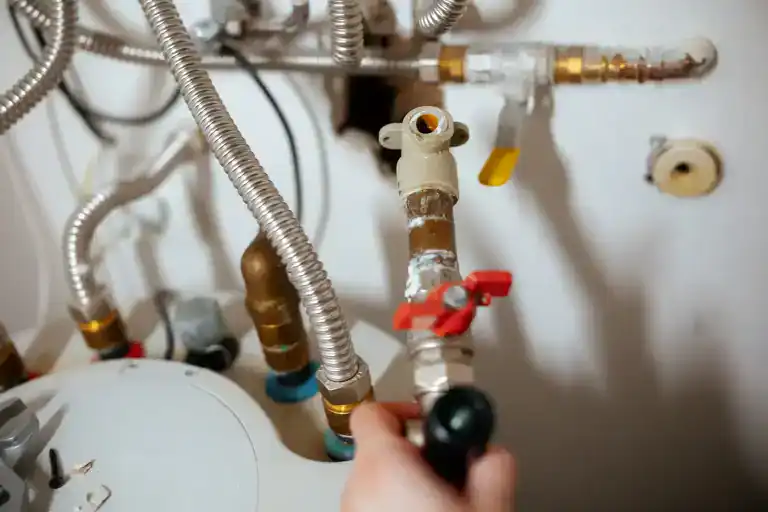
We handle water heater repair across all major brands — Rheem, A.O. Smith, Bradford White, State, and others — on both gas and electric units, tank and tankless. Lincoln Estates homes have accumulated a variety of configurations over decades of replacements, and no two service calls are exactly the same. Whether it’s a failed heating element in an electric unit, a pilot assembly issue on a gas heater, a leaking T&P valve, or a thermostat that’s given out, the diagnostic process starts from scratch every time.
For leaking water heater repair in Lincoln Estates, FL, the first priority is stopping the water. Older homes in this neighborhood — many with original wood subfloors beneath the utility closet or laundry area — don’t have much tolerance for standing water. A slow drip that goes unaddressed can turn into a floor replacement. Emergency water heater repair in Lincoln Estates, FL is available 24 hours a day, every day of the year, for exactly that reason.
Burst water heater repair, flooded water heater repair, and no hot water plumbing repair in Lincoln Estates, FL all fall under the same commitment: a licensed technician, a free estimate, and a straight answer on what the repair will cost before work begins. Because Lincoln Estates is within city limits, all replacement installations include proper permitting through the City of Gainesville — protecting your home’s value and keeping your homeowner’s insurance intact.
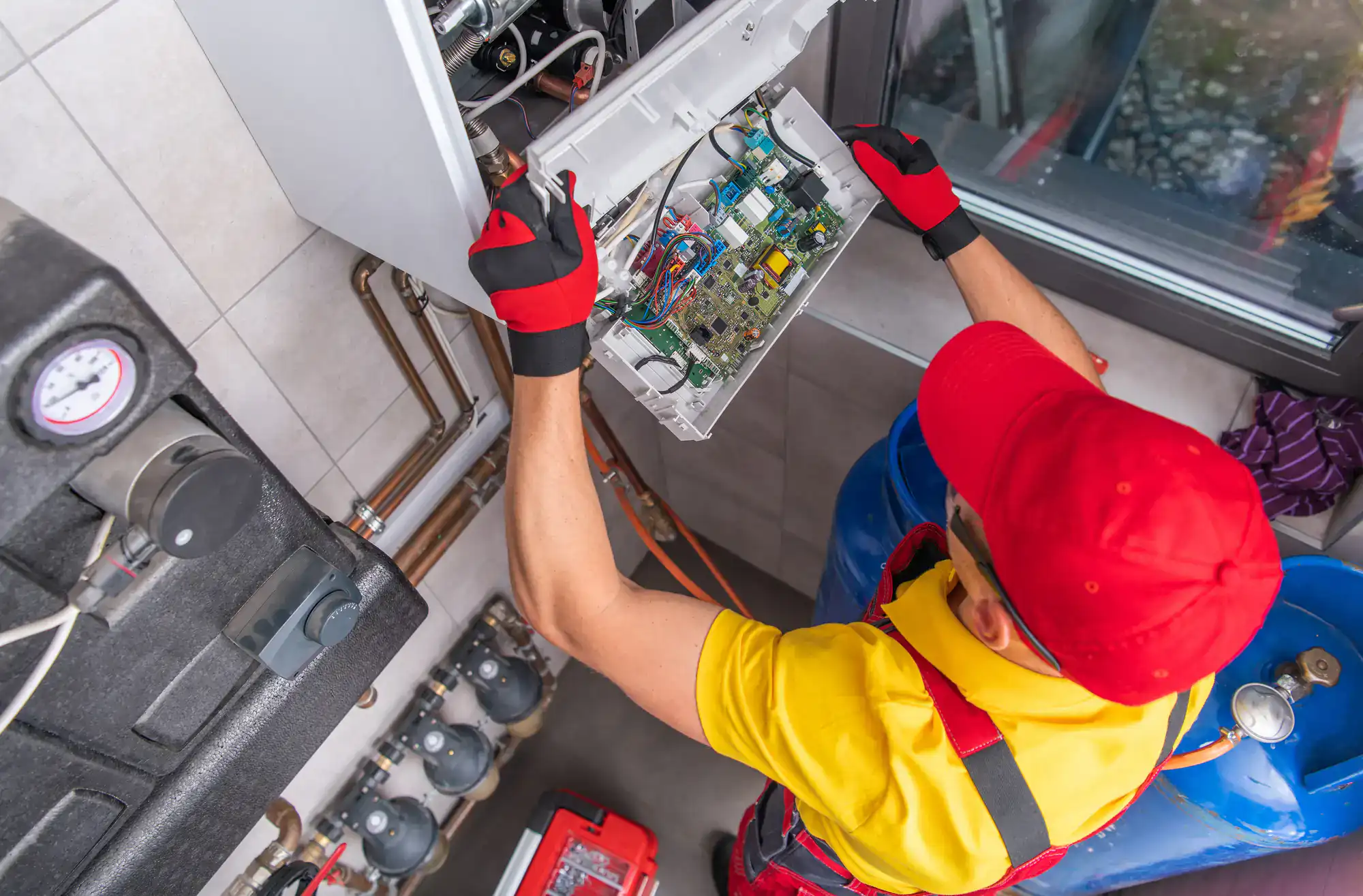
The general rule of thumb is this: if the repair costs less than half of what a new unit would run, and your water heater is under 10 years old, repair is almost always the smarter move financially. Standard tank water heaters last 8–12 years on average, but in Lincoln Estates — where Gainesville’s moderately hard water accelerates sediment buildup and internal wear — units that haven’t been regularly maintained may show problems earlier than that.
The honest answer is that you need a technician to look at it before you can make that call. A leaking tank, severe internal corrosion, or a unit that’s 15 years old and failing for the second time is a different conversation than a tripped reset or a worn heating element. Our free estimate exists specifically so you get that information without committing to anything first. You find out what’s wrong, what it costs to fix, and what the unit’s realistic remaining lifespan looks like — then you decide.
That noise is almost always sediment. Gainesville’s water supply comes from the Floridan Aquifer and carries dissolved limestone and mineral content — roughly 8.2 grains per gallon of hardness. When your water heater heats that water, the minerals separate and settle at the bottom of the tank as sediment. Over time, that layer builds up and gets trapped under the heating element, and when the burner fires, water trapped beneath it boils and forces its way through — which is exactly what that rumbling or popping sound is.
The good news is that sediment buildup is treatable, especially if you catch it before the tank lining corrodes. A thorough flush can clear the accumulation and restore efficiency. In Lincoln Estates homes where water heaters may not have been serviced in years — or ever — this is one of the most common issues we find on a service call. Left alone, it shortens the life of the unit and drives up your energy bill. Addressed early, it’s a straightforward fix.
Yes. Because Lincoln Estates is within the City of Gainesville city limits, water heater replacements require a permit through the City of Gainesville’s Building Division. This isn’t optional, and it’s not a technicality that most homeowners can afford to ignore. Unpermitted water heater work can void your homeowner’s insurance coverage for water damage claims — which matters a lot in an older home — and it will surface as a problem during a resale inspection.
We pull permits as a standard part of every replacement job. You don’t have to track down the paperwork or navigate the PermitGNV system yourself — it’s handled as part of the service. Some companies, particularly unlicensed operators, skip this step to reduce their overhead and undercut licensed competitors on price. That savings gets passed back to you as risk. A properly permitted installation protects your home’s value and keeps your insurance valid, which is especially relevant in a neighborhood like Lincoln Estates where homeowners are actively investing in their properties.
First, shut off the cold water supply to the tank. There’s a valve on the cold water inlet line at the top of the unit — turn it clockwise to close it. That stops more water from entering the tank. If you have a gas water heater, turn the thermostat dial to the “Pilot” setting. If it’s electric, go to your breaker panel and switch off the circuit for the water heater. Don’t leave it running while it’s leaking.
If there’s water on the floor, start getting it up as quickly as possible. This is especially important in Lincoln Estates homes with older construction, where the subfloor beneath a utility closet or laundry area may be original wood from the 1960s or 1970s. Wood subfloor damage from standing water can escalate fast and turn a plumbing repair into a much larger renovation. Once you’ve done those steps, call us. Same-day leaking water heater repair in Lincoln Estates, FL is available any day of the week — including weekends and holidays.
Repair costs vary depending on what’s actually wrong. A thermostat replacement or heating element swap on an electric unit typically runs in the $150–$350 range. Replacing a T&P valve, a dip tube, or a gas valve assembly can fall between $200–$500 depending on the part and the unit. More involved repairs — like addressing severe sediment buildup combined with a failing anode rod on an older tank — can push higher, but they’re still usually well below the $1,500–$3,500 range that a full replacement runs.
The national average for water heater repair lands around $600, but what you actually pay depends on the diagnosis, not the average. That’s why the free estimate matters — you know the number before you agree to anything. We do not charge a dispatch fee to come out, which is worth noting because some Gainesville-area competitors charge $89 just to show up before any work begins. You get the diagnosis, the price, and the choice. No money spent until you say go.
Tankless water heaters can be a strong fit for Lincoln Estates homes, but there are a few things worth thinking through before committing. The homes in this neighborhood typically run 910 to 1,400 square feet with one or two bathrooms — a size range where a properly sized tankless unit handles demand well without the standby energy loss that comes with keeping a full tank hot around the clock. Over time, the energy savings are real, and tankless units can last up to 20 years with proper maintenance compared to 8–12 for a standard tank.
The one factor that matters most in this area is water hardness. Gainesville’s aquifer water, at around 8.2 grains per gallon of hardness, will scale the heat exchanger in a tankless unit faster than in softer-water markets. That means annual descaling is not optional — it’s maintenance. A water softener upstream of the unit extends its life significantly. We can walk you through whether your current gas line size and electrical setup support a tankless conversion, and give you a straight answer on whether the upgrade makes sense for your specific home before you spend anything.