
Hear from Our Customers
When a water heater goes down in Monteocha, you’re not calling a property manager or waiting on a maintenance crew. It’s your well, your tank, your problem — and you need someone who actually shows up and fixes it, not someone who puts you on a Tuesday callback list.
Out here, the water coming up from the Floridan Aquifer is loaded with calcium, magnesium, and in a lot of homes, enough hydrogen sulfide to make your hot water smell like rotten eggs. That mineral content builds up inside your tank faster than it would on city water, and it quietly shortens the life of your unit while driving up your energy bill. Water heating already accounts for around 14 to 18 percent of what most homes spend on energy each month — a compromised unit makes that number worse.
Once the issue is diagnosed and the repair is done, you’re not just getting hot water back. You’re getting a unit that’s actually working the way it should for your home’s specific water supply. That matters more in a rural community like Monteocha, where the nearest hardware run is a real drive and the next plumber who answers the phone might not know the difference between city water and aquifer water.
Dee-Rooter Plumbing is a family-owned plumbing company based in the Gainesville area, serving the rural communities of northern Alachua County — including Monteocha. We’re not a franchise with rotating staff and a corporate complaint line. When you call, you’re talking to someone who knows where NE 156th Avenue is, understands what Floridan Aquifer well water does to a water heater over time, and has been doing this work in this region long enough to mean it.
Our 5.0 rating on HomeAdvisor isn’t from a click campaign — it’s from verified, completed jobs where customers named the technicians by name and confirmed the bill matched the quote. That’s the kind of track record that matters when you’re trusting someone in your home.
We’re a licensed Florida plumbing contractor, which means we pull permits through the Alachua County Growth Management Department the right way — protecting your home’s value and your peace of mind long after the job is done.
You call, and someone actually answers — any time of day, any day of the week, including weekends and holidays. You’ll get a real arrival window, not a vague “sometime tomorrow.” For a community like Monteocha, where most of the plumbing companies serving the Alachua County area only operate Monday through Friday during business hours, that alone changes the picture when something goes wrong on a Saturday night.
When our technician arrives, the first thing we do is diagnose — not sell. We check the unit, assess the water conditions specific to your home (because well water behaves differently than city water and the diagnostic has to account for that), and give you a clear picture of what’s wrong and what it’s going to cost to fix it. No work starts until you’ve agreed to the number. That’s not a policy we advertise — it’s just how we operate.
If the repair makes sense, we do it that day. If the unit is too far gone and replacement is the honest call, we’ll tell you that too — and explain why, in plain language. For replacements in unincorporated Alachua County, we handle the building permit through the county’s Growth Management Department and ensure the final inspection gets completed. That step protects you at resale and keeps everything above board with the county code.
Ready to get started?
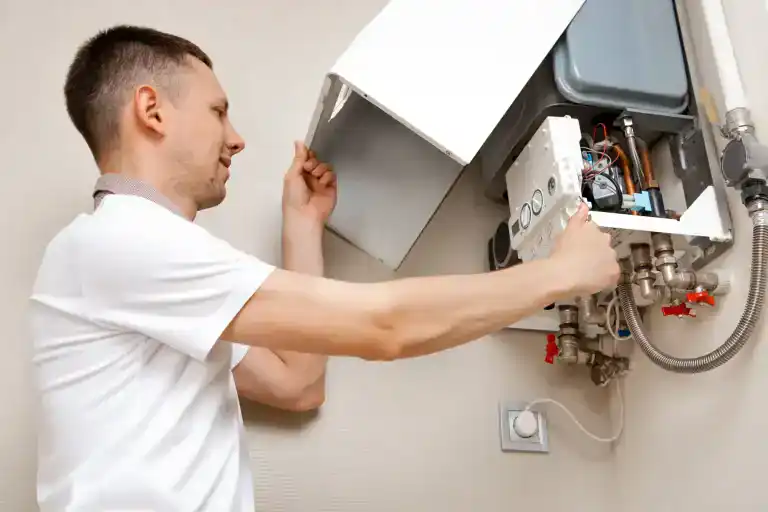
Water heater repair in Monteocha covers a lot of ground — from a unit that’s lost efficiency due to sediment buildup on the tank floor, to a leaking water heater that’s already starting to damage the surrounding area, to a burst or flooded water heater that needs immediate attention before the situation gets worse. We handle all of it, same day, with no dispatch fee just to show up.
The most common issues in homes drawing from private wells in this area are mineral-related: sediment accumulation, corroded anode rods accelerated by hydrogen sulfide in the water, and heating elements coated with calcium deposits that reduce efficiency and eventually fail. These aren’t the same problems you’d see in a Gainesville subdivision on city water, and they don’t always get diagnosed correctly by someone who doesn’t know the difference. If your hot water smells off, runs out faster than it used to, or takes longer to heat up, those are early signs — and catching them early is almost always cheaper than waiting.
For no hot water plumbing repair, emergency water heater repair, or a flooded water heater situation, the response is the same: we come out, figure out exactly what’s going on, and give you a straight answer on what it costs to fix it. The national average for water heater repair runs between $222 and $990 depending on what’s needed — you’ll know where your job lands before anyone picks up a wrench.
That smell is hydrogen sulfide gas, and it’s extremely common in homes drawing from the Floridan Aquifer — which is where your well water comes from if you’re in Monteocha. The aquifer’s natural chemistry produces sulfur-reducing bacteria, and when that water heats up inside your tank, it releases hydrogen sulfide gas. It’s more noticeable in hot water than cold because heat accelerates the release.
The most likely culprit inside your water heater is a failing or depleted anode rod. The anode rod is a sacrificial component designed to corrode instead of your tank — but when it reacts with high-sulfur well water, it can actually make the smell worse as it breaks down. Replacing the anode rod with a magnesium or aluminum-zinc version designed for well water conditions usually resolves it. Left unaddressed, a depleted anode rod leads to tank corrosion — and at that point, you’re looking at replacement instead of a straightforward repair.
The national average for water heater repair falls between $222 and $990, with most jobs landing somewhere in the middle depending on what needs to be done. A thermostat or heating element replacement tends to sit on the lower end. Anode rod replacement, pressure relief valve work, or repairs tied to sediment buildup and internal corrosion can push the number higher depending on the condition of the unit.
For homes in Monteocha on private well water, the mineral content of the Floridan Aquifer tends to accelerate wear on heating elements and anode rods faster than treated city water would. That means some components may need attention earlier than the manufacturer’s typical timeline suggests. The best way to know where your specific repair lands is a diagnostic visit — we provide free estimates, so you’ll have the number before any work begins, with no dispatch fee just for showing up.
The honest answer depends on three things: the age of the unit, the cost of the repair relative to replacement, and whether there’s internal corrosion that no repair can fix. A standard tank water heater lasts 8 to 12 years under normal conditions — but on well water with high mineral content, like what most Monteocha homes draw from the Floridan Aquifer, that effective lifespan can be shorter if the unit hasn’t been maintained with periodic flushing and anode rod checks.
If the repair cost is less than 50 percent of what a new unit would cost and there’s no internal rust or corrosion, repair usually makes more sense. If the tank itself is corroded, leaking from the bottom, or the unit is already past 10 years old with a significant repair needed, replacement is typically the smarter long-term call. We’ll give you that honest assessment either way — we’ve documented cases of recommending repair over replacement when the unit had life left, even when the replacement sale would have been worth more.
For a full water heater replacement, yes — a building permit is required. Because Monteocha is an unincorporated community, the permit comes from the Alachua County Growth Management Department, not a city building office. Florida Building Code requires that a licensed contractor pull the permit and that a final inspection be completed and approved before the job is considered closed out.
This matters more than most homeowners realize at the time of the repair. Unpermitted work in unincorporated Alachua County surfaces during real estate transactions — a buyer’s inspection will flag it, and resolving it mid-sale is a headache that can delay or kill a closing. We handle the permit process as part of the job, which means you’re covered on the compliance side without having to navigate the county’s Growth Management Department yourself. Minor repairs like thermostat or element replacement typically don’t require a permit, but anything involving a full unit swap does.
First, shut off the cold water supply line running into the top of the water heater — there’s usually a valve directly above the unit. If it’s an electric water heater, turn off the breaker at your electrical panel. For a gas unit, turn the gas valve to the pilot setting or off entirely. Then call for emergency water heater repair immediately — a leaking or burst water heater doesn’t get better on its own, and the longer water sits on a concrete pad or utility room floor, the more damage it can do to surrounding materials.
In rural Monteocha homes, a flooded water heater situation can also put stress on your well pump and pressure system if the supply line is disrupted or if the leak causes a pressure drop. That’s a secondary issue worth mentioning to the technician when you call. We handle burst water heater repair and flooded water heater repair around the clock — same-day response, any day of the week — so you’re not sitting with standing water waiting for a Monday morning callback.
It genuinely does, and it’s one of the most underestimated factors for homeowners in this part of Alachua County. The Floridan Aquifer produces naturally hard water — high in calcium and magnesium — and when that water heats up inside your tank, those minerals precipitate out and settle on the tank floor and on electric heating elements. Over time, that sediment layer acts as insulation between the heating element and the water, making your unit work harder to produce the same amount of hot water. Your energy bill goes up, your recovery time gets slower, and the components wear out faster.
On city water with softening treatment, a tank water heater might reach 10 to 12 years without major issues. On untreated Floridan Aquifer well water, it’s not unusual to see meaningful performance degradation at 7 to 8 years if the unit hasn’t been flushed periodically. Annual flushing to clear sediment and proactive anode rod replacement are the two most effective ways to extend the life of a water heater in a Monteocha home — and both are far cheaper than an early replacement.
Other Services we provide in Monteocha