
Hear from Our Customers
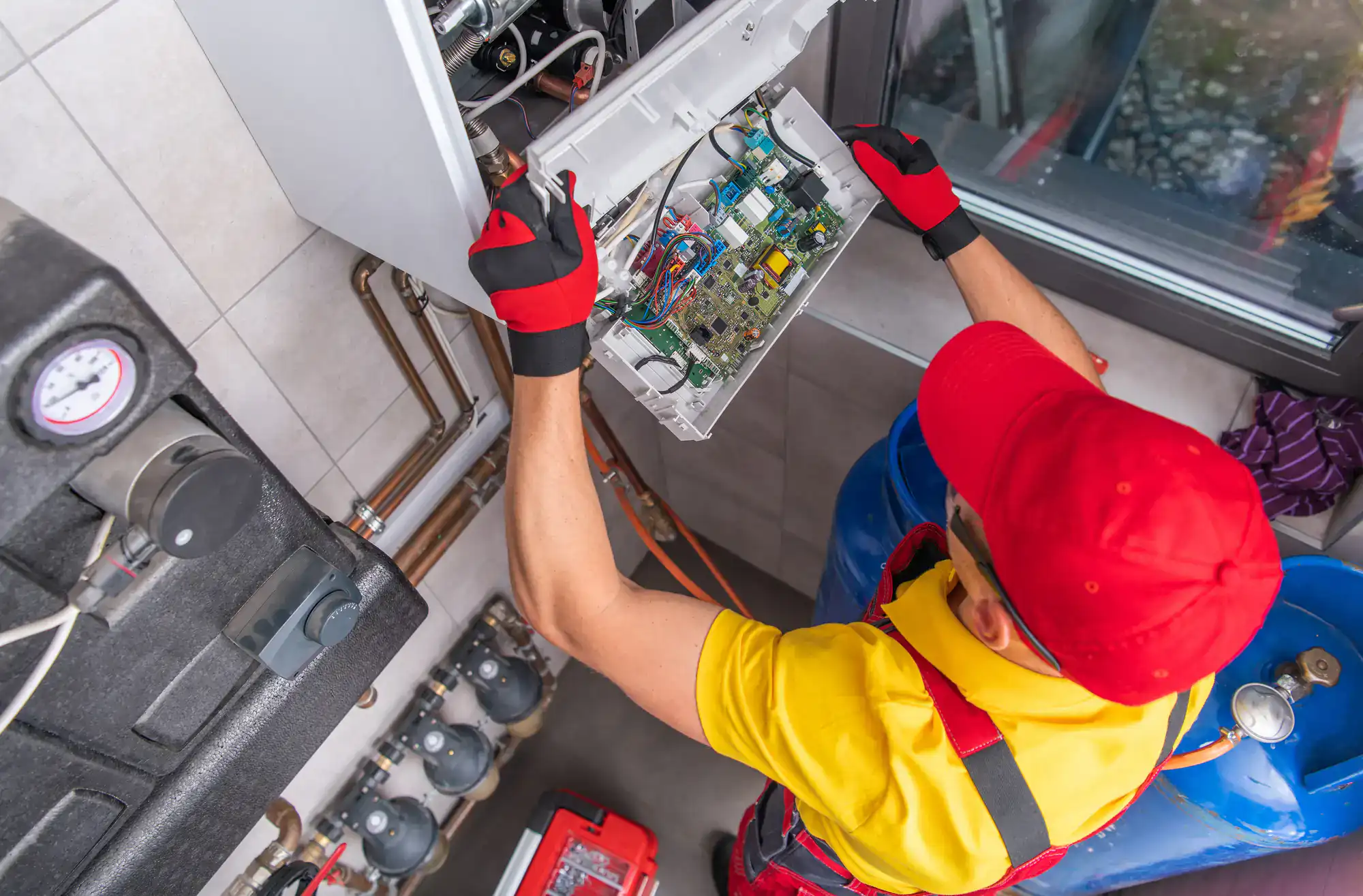
Living out on the CR-234 corridor means you already know how this goes. You call a company, they say they serve all of Alachua County, and then the earliest they can get to you is Thursday. By then you’ve gone two days without hot water, you’ve had to figure out a workaround, and you’re still not sure if the unit needs a full replacement or just a part. That uncertainty is its own kind of stress — and it’s avoidable.
When a water heater repair gets handled the same day, you’re not just getting hot water back. You’re getting your routine back. Showers, dishes, laundry — all the things that quietly depend on a working water heater stop being problems. For a household in Rochelle that’s already managing a private well, a septic system, and the general reality of rural property ownership, one less thing going sideways matters.
There’s also a cost angle that doesn’t get talked about enough. Most Rochelle homes are on well water pulled from the Floridan Aquifer, and that water is hard — high in calcium and magnesium that builds up as sediment inside your tank over time. That sediment forces the unit to work harder, drives up your energy bill, and shortens the life of the heater. A technician who understands that dynamic — who flushes the tank, checks the anode rod, and gives you an honest read on how much life is left — saves you money now and down the road.
We’re Dee-Rooter Plumbing, Sewer & Drain. Co., a family-owned plumbing company based in Gainesville, and we’ve been serving rural Alachua County — including Rochelle and the communities along the CR-234 corridor — for years. We’re not a franchise. There’s no regional call center routing your call to whoever’s available. When you reach us, you’re reaching the actual team that’s going to show up at your door.
Our technicians know this area. They know that properties near Prairie Creek Preserve are on well water with hard mineral content that behaves differently than city supply. They know that a unit making a rumbling sound in a Rochelle home has probably been dealing with sediment buildup for a while — and they know how to address it without defaulting to a replacement sale.
We carry a 5.0 rating on HomeAdvisor, where reviews require verified job completion before they’re posted. That’s not a number we put on our own website — it’s a number real customers left after real jobs. We show up when we say we will, we quote before we start, and the final bill matches what we told you.
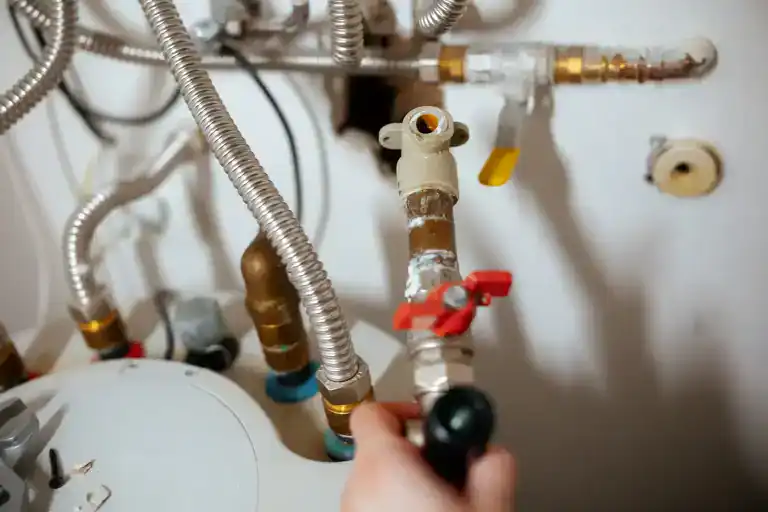
When you call, the first thing we do is understand what you’re dealing with — no hot water, a leak, a strange noise, a unit that’s flooding the utility room. That conversation takes a few minutes and helps us arrive prepared with the right parts for the most likely scenarios. We give you a real arrival window, not a four-hour range, and we stick to it. For properties along County Road 234 and County Road 2082, we know the drive and we plan for it.
Once we’re on-site, we diagnose before we quote. We’re not going to walk in and tell you the unit needs to be replaced without actually checking it. We look at the age of the unit, the condition of the heating element or burner, the anode rod, the pressure relief valve, and the state of the tank itself. If there’s sediment buildup from years of hard well water — which is common in this area — we’ll show you what we’re seeing and explain what it means for the unit’s remaining life.
If the repair is the right call, we quote it, you approve it, and we handle it. If the unit genuinely needs replacement, we’ll tell you that too — and explain why, with numbers that make sense. Either way, no work starts until you’ve agreed to the price. And if Alachua County requires a permit for the scope of work — which it does for full replacements in unincorporated areas like Rochelle — we pull it. That’s part of the job, not an add-on.
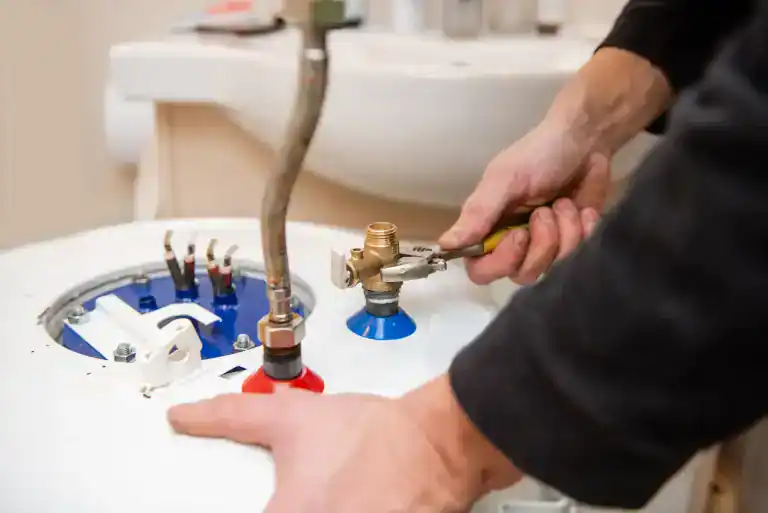
Ready to get started?
Whether you’ve got a leaking water heater, no hot water at all, a unit that’s making noise, or something that’s already flooded your utility space, we handle it. We work on all major brands — Rheem, A.O. Smith, Bradford White, Navien, Rinnai, State, GE, Whirlpool — and on both gas and electric systems, including tankless units. One call covers whatever’s in your utility room, regardless of age or fuel type.
For Rochelle homeowners specifically, there are a few things worth knowing. If your unit is on well water without a softening system, sediment inspection and anode rod evaluation are part of every service call — not because we’re looking for add-ons, but because those two things are the most common reasons water heaters in this area underperform or fail early. A burst water heater repair or flooded water heater repair on a rural property also carries different stakes than the same situation in a Gainesville subdivision. There’s no floor drain in most rural utility spaces, no municipal drainage to carry the water away. We treat those calls as the emergencies they are.
We’re available 24 hours a day, 7 days a week, including holidays. If your water heater fails at 11 p.m. on a Tuesday and you’re out near the Gainesville-Hawthorne Trail trailhead at Rochelle’s crossroads, we’re still answering the phone — and we’re still coming out.
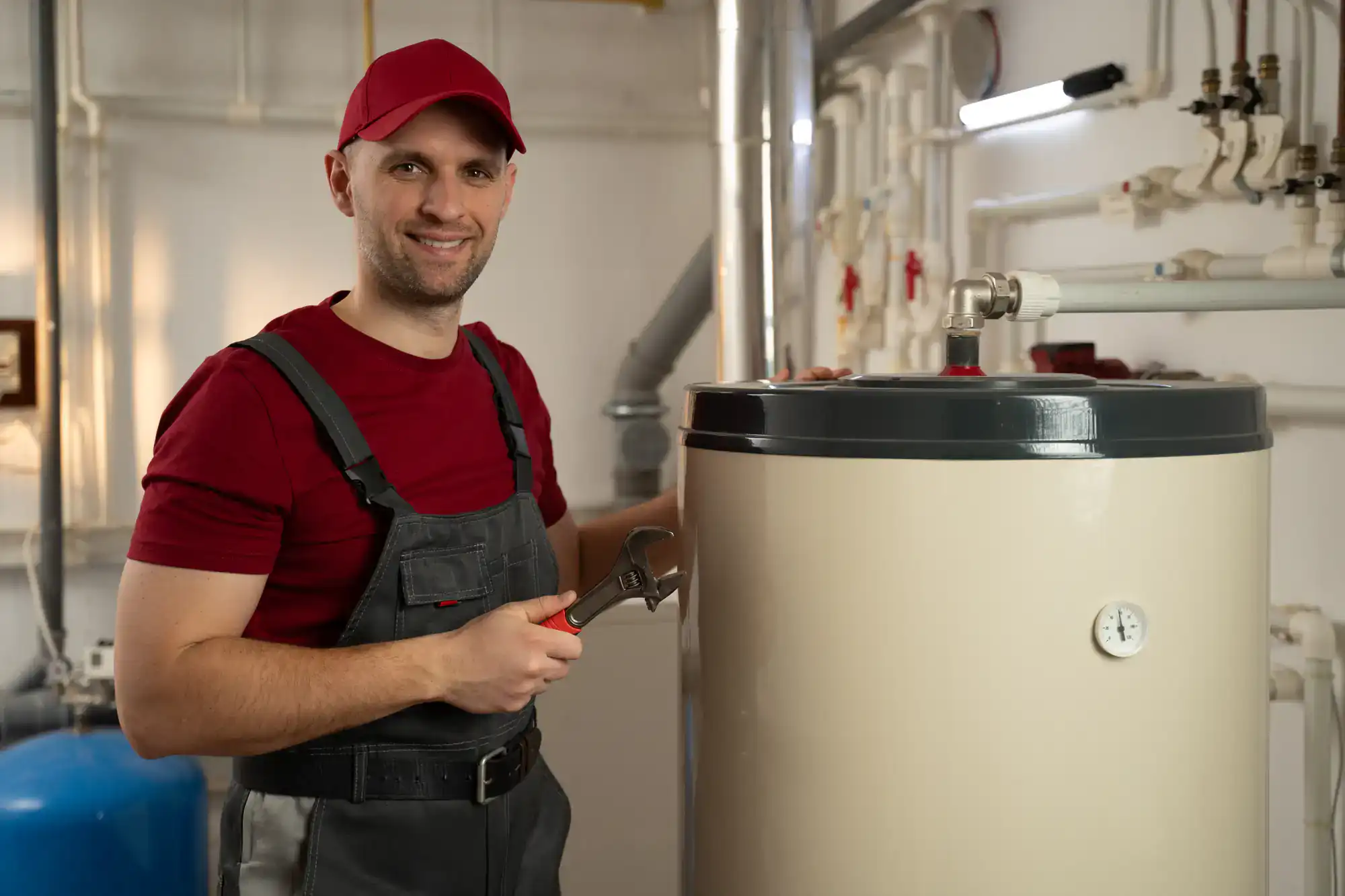
The honest answer is that it depends on the age of the unit, the nature of the problem, and the cost comparison between fixing it and replacing it. A unit under 8 years old with a failed heating element, a worn thermostat, or a degraded anode rod is almost always worth repairing — those are straightforward fixes that cost a fraction of a new unit. A unit that’s 12 or more years old with a corroded tank, active rust in the water, or a crack in the tank itself is a different conversation.
For homes in Rochelle on well water, that age threshold can compress. Hard water from the Floridan Aquifer accelerates sediment buildup and anode rod degradation, which means a unit that might last 12 years on treated city water may start showing serious wear at 8 or 9 years. When we diagnose your unit, we’ll walk you through the math — what repair costs, what replacement costs, and what makes sense given the condition of the tank. You make the call with real numbers in front of you, not a guess.
It depends on where the leak is coming from. A small drip from a loose pipe connection or a faulty pressure relief valve is a repair, not a crisis — but it still needs to be addressed promptly because those small issues can escalate. A leak coming from the bottom of the tank, especially on an older unit, is more serious. That often indicates internal corrosion, and a tank that’s corroding from the inside can fail suddenly and completely.
For Rochelle properties on rural lots, a sudden tank failure carries more consequences than it would in a home with municipal drainage. There’s no floor drain routing water outside, and a flooded utility room or garage on a rural property can cause real structural and water damage before it’s noticed. If you see water around the base of your unit, shut off the water supply line to the heater and call us. We’ll tell you over the phone whether it sounds like something that can wait until morning or whether it needs same-day attention.
If you’re on well water in Rochelle — which most homes out here are — a sulfur smell coming from your hot water is almost always a water heater issue, not a well issue. Here’s why: the Floridan Aquifer water that feeds private wells in this area naturally contains some sulfur. Your water heater’s anode rod, which is designed to protect the tank from internal corrosion, can react with that sulfur and produce hydrogen sulfide gas — which is the rotten egg smell. It’s more common in electric water heaters and in units where the anode rod hasn’t been inspected or replaced in several years.
The fix is usually straightforward: replacing the standard magnesium anode rod with an aluminum-zinc rod, which doesn’t produce the same reaction with sulfur-bearing water. In some cases, a tank flush and water heater tune-up is enough to resolve it. This is a well-known issue for North Central Florida homes on private wells, and it’s something our technicians have addressed many times on properties in and around Rochelle. It’s worth having it looked at — both for the smell and for the overall health of the tank.
Yes. Because Rochelle is in unincorporated Alachua County — not an incorporated city with its own building department — water heater replacement falls under Alachua County’s Growth Management Department jurisdiction. Any work that replaces or significantly alters a plumbing system, including a water heater, requires a permit and inspection under Florida’s building code. A licensed plumbing contractor has to pull that permit — it can’t be done by an unlicensed handyman or by the homeowner for a replacement on a rental or investment property.
This matters more than most people realize. Unpermitted work in unincorporated Alachua County can result in failed inspections when you go to sell the property, complications with homeowner’s insurance claims if something goes wrong, and potential liability if an injury occurs. We’re a licensed Florida plumbing contractor, and we pull Alachua County permits as a standard part of every replacement job — not as an add-on, not as an afterthought. It’s included in the scope of work from the start.
Most repairs — a failed heating element, a thermostat replacement, a pressure relief valve swap, an anode rod replacement — are completed in one to two hours once we’re on-site with the right parts. We arrive prepared for the most common scenarios based on what you describe over the phone, so we’re not making multiple trips to a supply house. For Rochelle, which sits about 15 miles from central Gainesville, that preparation matters — we’re not going to drive out, realize we need a part, and tell you we’ll be back tomorrow.
More involved repairs, like a sediment flush on a heavily scaled tank or a gas valve replacement, can run two to three hours. Full replacements, including permit coordination through Alachua County, typically take a half day. We’ll give you a realistic time estimate before we start so you can plan your day — whether you’re working from home out near Prairie Creek Preserve or commuting back in from Gainesville.
First, shut off the cold water supply line going into the top of the water heater — there’s a valve on that line, and turning it off stops water from continuing to flow into the tank and out onto your floor. Second, shut off power to the unit: flip the breaker for an electric heater, or turn the gas valve to the pilot setting for a gas unit. Those two steps stop the situation from getting worse while you wait for help.
Then call us. We treat burst water heater repair and flooded water heater repair as genuine emergencies, and our 24/7 availability means you’re not leaving a voicemail and hoping someone calls back in the morning. For rural properties in Rochelle — where there’s no municipal drainage and a flooded utility space can damage a garage floor, a crawl space, or surrounding outbuildings quickly — getting someone out fast makes a real difference in how much damage you’re dealing with afterward. We’ll walk you through anything else you should do while we’re on the way.
Other Services we provide in Rochelle