
Hear from Our Customers
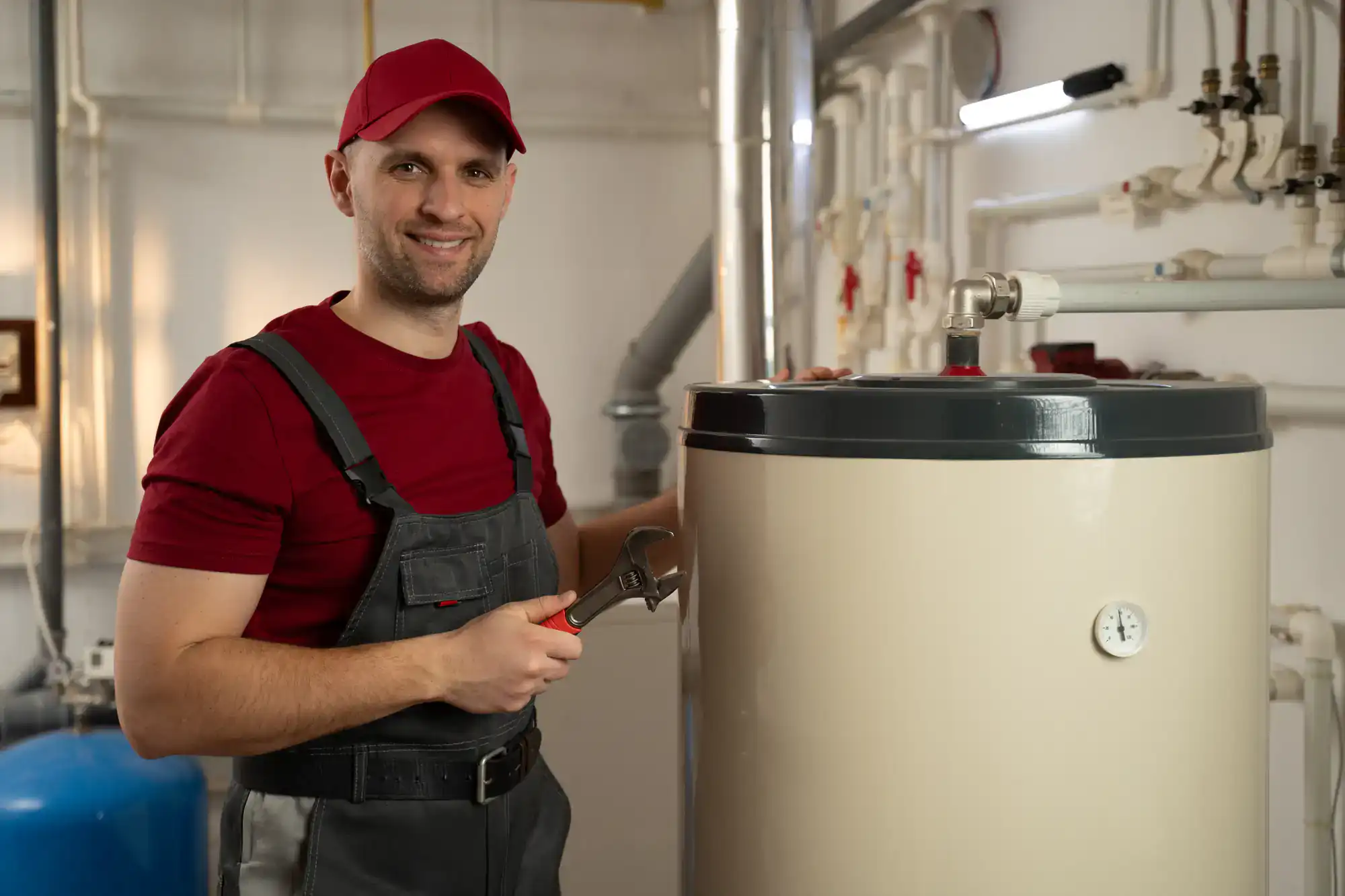
A water heater that works the way it should is easy to take for granted — until it doesn’t. When you’re in a home that was built in the late 1960s and your unit has been running on borrowed time, the failure usually isn’t subtle. No hot water in the morning, a puddle near the base of the tank, or a rumbling sound that’s been getting louder for months. These aren’t warnings you should sit on.
Suburban Heights homes pull water from GRU’s municipal supply, which draws from the Floridan Aquifer — a limestone formation that leaves dissolved calcium and magnesium in every gallon that moves through your pipes. Over time, that mineral content settles at the bottom of your tank, insulates the heating element, and forces the unit to work harder than it was designed to. That’s why so many homeowners in this neighborhood see their energy bills creep up before anything visibly breaks. A repair that actually addresses the root cause — not just the symptom — means lower operating costs and a unit that lasts closer to its full lifespan.
The other factor that doesn’t get talked about enough is what a water heater leak can do to a 1960s-era ranch-style home. Many of these utility rooms and garages weren’t built with floor drains, which means water migrates under drywall and across concrete slabs before you ever see it. Getting the right repair done fast isn’t just about hot water — it’s about protecting a home that’s worth close to $445,000 in today’s market.
Dee-Rooter Plumbing, Sewer & Drain Co. is a family-owned operation — not a franchise, not a call center routing jobs to whoever’s available. When you call, you’re reaching people who are personally invested in how the job goes. Technicians like Chris and Rich show up by name in verified customer reviews across multiple platforms, because this is a small team where accountability is individual and real.
Suburban Heights is the kind of neighborhood where word travels. The private Facebook group, the neighborhood watch, the conversations over the fence — people talk about who they hired and how it went. We hold a verified 5.0 rating on HomeAdvisor, a platform that requires job completion before a review can be submitted. That’s not a number we manufactured — it’s what happens when every job in a community like this one gets done right.
Free estimates, no dispatch fee, and honest repair-versus-replace guidance are the baseline. If your water heater can be fixed for a fair price, that’s what you’ll hear. If it can’t, you’ll get a straight answer on that too.
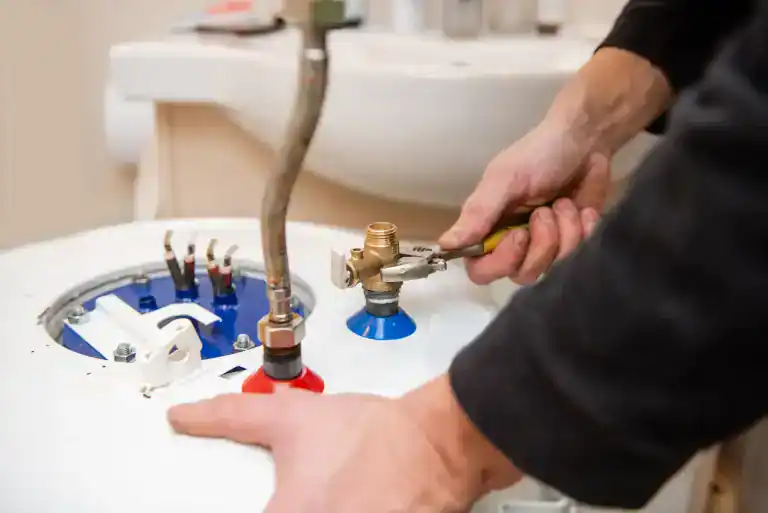
When you call us about a water heater issue in Suburban Heights, the first thing that happens is a real conversation — not a voicemail, not an automated system. You describe what’s going on, and we give you a specific arrival window. Not a four-hour range. A real window, because we understand that professionals with shifts at North Florida Regional Medical Center or early morning schedules at the University of Florida can’t spend a day waiting around.
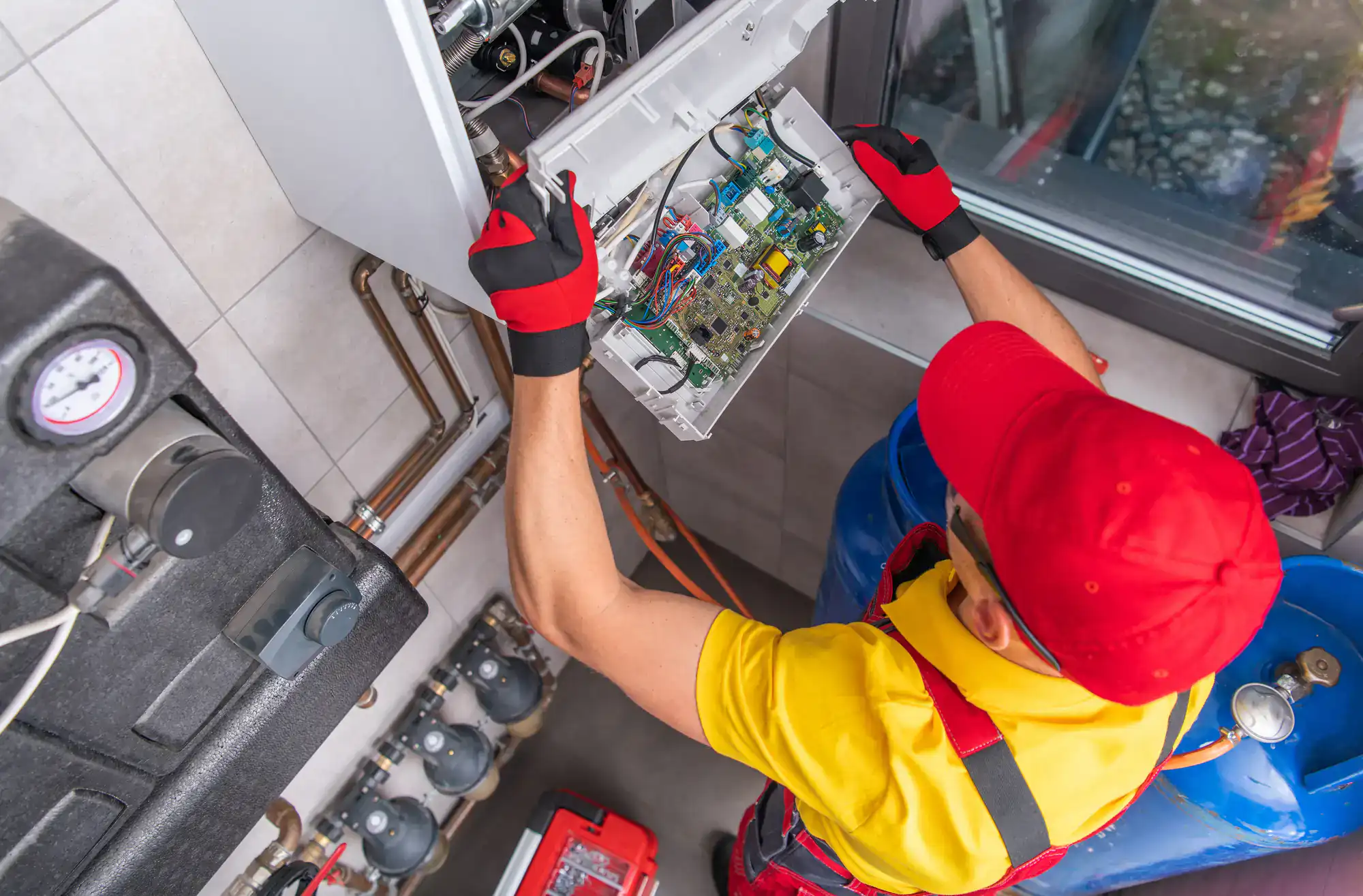
When our technician arrives, the first step is a full diagnosis. In homes built in this neighborhood’s era, that means checking for sediment buildup from GRU’s mineral-heavy water supply, inspecting the anode rod, testing the heating element and thermostat, and assessing the T&P valve and all external connections. The karstic limestone geology beneath Gainesville — the same formation that created Devil’s Millhopper just a short distance from Suburban Heights — means slab foundations can shift subtly over time, which stresses pipe joints and fittings in ways that aren’t always obvious. A thorough inspection accounts for that.
After diagnosis, you get a clear explanation of what’s wrong and what it costs to fix it. If the repair makes sense given the age and condition of the unit, we do it that day. If the unit is past the point where repair is the smart move, we tell you that — and explain the math behind it. Water heater replacements in Gainesville require a permit from the City of Gainesville Building Division, and we handle that process as a licensed Florida plumbing contractor, so you don’t have to navigate it yourself.
Ready to get started?
Water heater problems in Suburban Heights don’t keep business hours, and neither do we. Whether it’s a leaking water heater repair service call on a Tuesday afternoon or a burst water heater repair emergency on a holiday weekend, the response is the same — someone answers, and a technician gets there the same day. That 24/7 availability is confirmed across Yelp, HomeAdvisor, and Angi, not just stated on a website.
The calls we handle most often in this neighborhood cover the full range: no hot water plumbing repair when a heating element or thermostat has given out, leaking water heater repair service when a fitting or T&P valve has started weeping, same day hot water heater repair when a household simply can’t wait, and flooded water heater repair when a tank has failed and water has already started spreading. For the more urgent situations — a burst water heater repair or active flooding — the first thing to do before we arrive is shut off the water supply valve above or behind the unit and cut power or gas to it. That limits the damage while we’re on the way.
We work on all major brands — Rheem, Bradford White, A.O. Smith, Navien, Rinnai, and others — covering both tank and tankless systems. Suburban Heights homes have a range of equipment depending on when the last replacement was done, and we’re equipped to handle whatever’s in your utility room or garage. Every job comes with upfront pricing before any work starts, and no money changes hands until you’ve agreed to move forward.
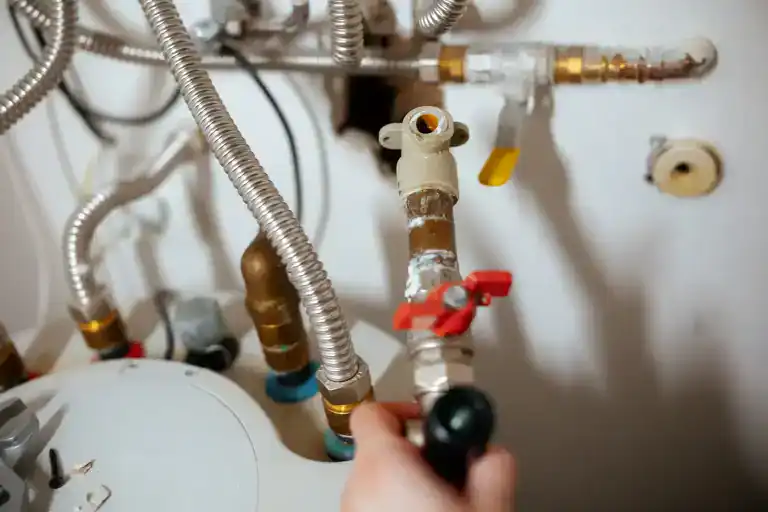
Yes — water heater replacements in Gainesville require a building permit through the City of Gainesville’s Building Division. This applies to homes in Suburban Heights, which falls within Gainesville city limits. The permit process exists to ensure the installation is inspected and meets code, which matters more than most homeowners realize until it’s time to sell.
A home in Suburban Heights selling near $445,000 with an unpermitted water heater replacement can run into real problems at closing — failed inspections, required remediation, or complications with homeowner’s insurance claims if water damage ever occurs. As a licensed Florida plumbing contractor, we pull the permit on your behalf for every qualifying job. You don’t have to navigate the PermitGNV system or coordinate with the city — that’s handled as part of the job.
The honest answer depends on three things: the age of the unit, the nature of the failure, and the cost of the repair relative to what a replacement would run. The general rule is that if a repair costs less than 50 percent of replacement cost and the unit is under 8 to 10 years old, repair is usually the smarter move. If the unit is pushing 12 or more years and the failure involves the tank itself — corrosion, internal leaks, or structural compromise — replacement is typically the better investment.
In Suburban Heights, where a lot of the housing stock was renovated in the 1990s and early 2000s, there are plenty of units that are now 20-plus years old. Those conversations are different than a 7-year-old unit with a failed heating element. We give you the actual math — repair cost versus replacement cost, expected remaining lifespan, and the efficiency impact of keeping an older unit running — so you can make an informed decision. One verified customer review specifically noted that a Dee-Rooter technician saved them $800 by identifying a repairable component instead of recommending a new unit.
That sound is almost always sediment. Gainesville’s water supply comes from GRU, which draws from the Floridan Aquifer — a limestone and dolomite formation that produces water carrying dissolved calcium and magnesium. Over time, those minerals settle at the bottom of your tank and harden into a layer of sediment. When the heating element fires, water trapped beneath that sediment layer heats up and forces its way through, creating the popping or rumbling you’re hearing.
Beyond the noise, sediment buildup is an efficiency problem. It insulates the heating element from the water, which means the unit runs longer and works harder to hit the same temperature — and that shows up on your GRU bill. In some cases, flushing the tank and servicing the anode rod can extend the life of the unit significantly. In others, the sediment accumulation has already caused enough damage to the tank lining that repair isn’t the right call. A proper diagnosis will tell you which situation you’re in.
The first thing to do is shut off the water supply to the unit. There’s a valve on the cold water inlet line above or behind the tank — turn it clockwise until it stops. That cuts off the water feeding the leak. Next, cut power or gas to the unit: if it’s electric, flip the breaker in your panel; if it’s gas, turn the gas supply valve to the off position. These two steps stop the situation from getting worse while we’re on the way.
In Suburban Heights, where many of the homes are 1960s-era ranch-style construction without floor drains in the utility room or garage, water from a leaking tank can travel under drywall and across concrete slabs before it becomes visible. If you’re seeing standing water, use towels or a wet-dry vac to keep it from spreading to adjacent rooms or flooring. Don’t wait to call — a slow leak that’s been building for days can cause far more damage than the water heater repair itself would have cost. We handle leaking water heater repair service calls same day throughout Suburban Heights.
Most water heater repairs are completed in one to three hours, depending on what the diagnosis turns up. A failed heating element or thermostat replacement on a standard electric tank unit is typically on the faster end of that range. A gas valve issue, a T&P valve replacement with pressure testing, or a more involved inspection of an older unit takes longer — but the technician will give you a realistic time estimate after the diagnosis, not before, because the actual scope drives the timeline.
Same day hot water heater repair in Suburban Heights is the standard, not the exception. For jobs that involve a full replacement rather than a repair, the timeline extends — and a permit will need to be pulled through the City of Gainesville Building Division, which we handle directly. The inspection process adds a step, but it’s the step that protects your home’s value and your insurance coverage. You’ll know what to expect at every stage before any work begins.
The most common reason is GRU’s water supply. Because Gainesville draws from the Floridan Aquifer, the water moving through your home carries dissolved minerals that accumulate inside your tank over time. That mineral layer forces your heating element to work harder and longer, which increases energy consumption and accelerates wear on internal components — often well before the unit reaches its expected 8-to-12-year lifespan.
The other factor specific to this neighborhood is the climate and where these units are typically installed. Suburban Heights homes often have water heaters in garages or utility rooms that get minimal ventilation. During Gainesville’s humid summers, that environment accelerates external corrosion on fittings, the anode rod, and the T&P valve — components that directly affect how efficiently the unit runs. Regular maintenance, including anode rod inspection and sediment flushing, can meaningfully extend the life of a water heater in this environment. If your unit is losing efficiency and it’s under 10 years old, it’s worth having it inspected before assuming replacement is the only option.