

Hear from Our Customers
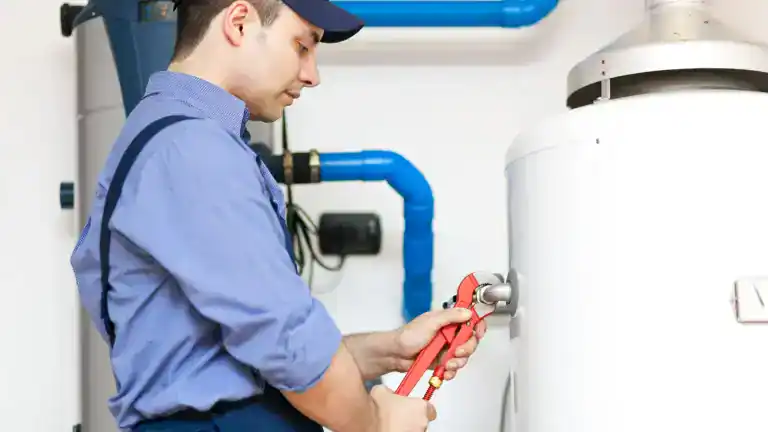
A failed water heater doesn’t care about your schedule. Whether you’re heading into a shift at UF Health Shands or managing a rental on South Main Street, the last thing you have time for is chasing down a plumber who can’t commit to today. When we handle your water heater replacement in Kirkwood, FL, the job gets done the same day — no vague windows, no callbacks, no waiting until next week.
Kirkwood’s housing stock tells its own story. A lot of these homes were built between the 1940s and 1980s, many with original or early-replacement plumbing infrastructure that’s never been fully updated. Add Gainesville’s hard water — high in calcium and magnesium — and you’ve got sediment building up inside those older tanks year after year, quietly forcing the unit to work harder until it doesn’t work at all. That’s just what happens here, in these homes, with this water.
Florida’s humidity makes the urgency real, too. A slow drip from an aging tank in a mid-century Kirkwood home doesn’t stay a slow drip for long. Moisture gets into flooring, into walls, and mold follows fast. Getting the unit out and a new one in isn’t just about hot water — it’s about protecting the property before a manageable problem becomes a much bigger one.
We’re Dee-Rooter Plumbing, Sewer & Drain. Co., a fully licensed Florida plumbing contractor based right here in Gainesville — not a regional call center dispatching someone from two counties over. Kirkwood is in our backyard. We know the roads, we know the building permit process through the City of Gainesville’s PermitGNV system, and we know what these older Kirkwood homes typically need when it’s time to replace a water heater.
Our rating is a perfect 5.0 stars across verified third-party platforms — not self-reported, not curated. Real customers in the Gainesville area have called us their “go-to plumber” and described our work as “fast, cost friendly and great.” That consistency matters when you’re handing someone access to your home.
We’re available every day of the week, including weekends and holidays. We offer free estimates with no obligation. And when the job’s done, we haul away the old unit — you don’t have to figure out what to do with a 50-gallon steel tank sitting in your carport.
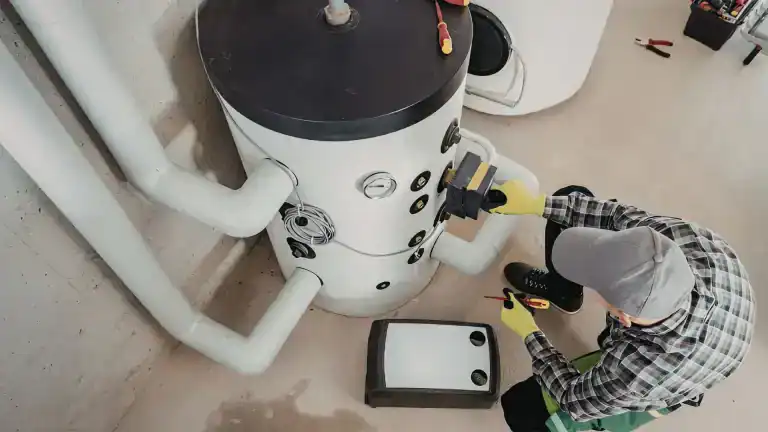
It starts with a free estimate. You describe what’s happening — no heat, a leak, strange noises, or a unit that’s simply too old to trust — and we give you a clear answer on cost before anything else happens. No surprises, no pressure.
Once you’re ready to move forward, we pull the required permit through the City of Gainesville’s PermitGNV system. This is a legal requirement under Florida’s building code, not an optional add-on. Only a licensed contractor can pull that permit, and only a licensed inspector from the City of Gainesville’s Building Division can sign off on the installation before the unit goes into service. If you’ve ever been quoted a lower price by someone who skips this step, that’s the reason — and it’s a liability you’d carry, not them.
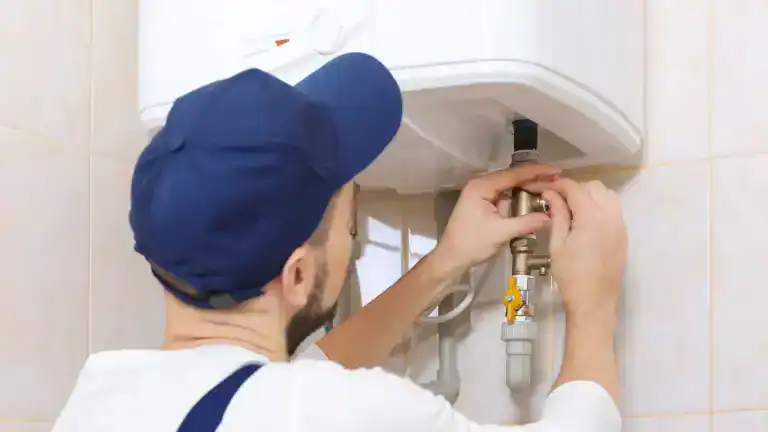
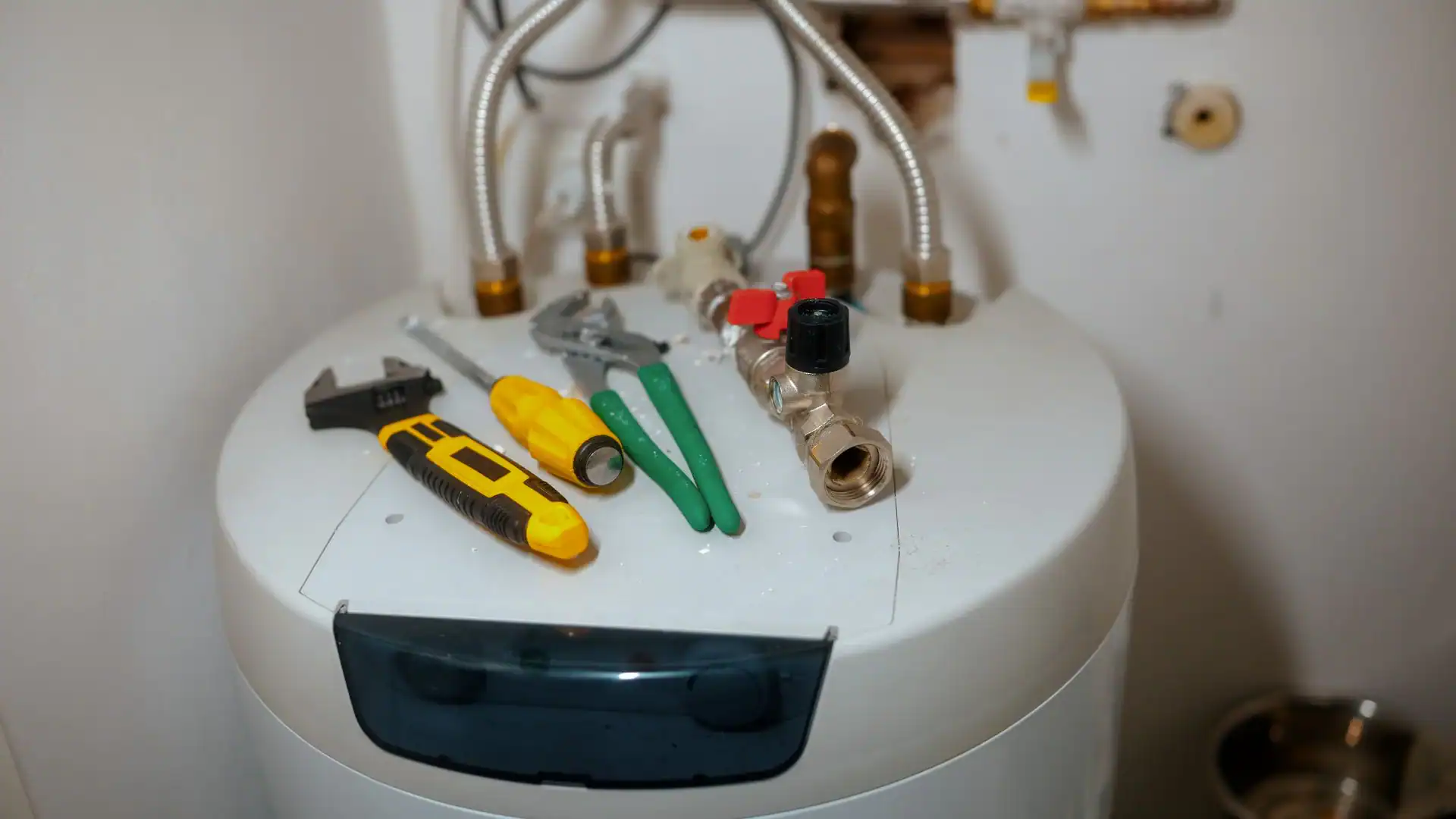
On the day of service, we remove the old unit and dispose of it. In Kirkwood’s mid-century ranch homes — many on wooded lots with carport configurations — getting a heavy steel tank out of the house isn’t always straightforward, and we handle all of it. The new unit goes in with a properly rated Temperature and Pressure Relief valve and, where your system requires it, an expansion tank to meet Alachua County code. Final inspection gets scheduled, work gets signed off, and you have hot water and a clean permit record.
Ready to get started?
Kirkwood homes don’t all look the same, and they don’t all have the same water heater setup. Older builds from the 1950s and 60s often run gas tank units. Mid-century construction sometimes went electric. And over the last decade, tankless water heater upgrades have become a real trend in this neighborhood — actual Kirkwood real estate listings call them out as a selling point, which tells you something about where the market is heading.
We handle all of it. Gas water heater replacement in Kirkwood, FL. Electric water heater replacement. Tank-to-tankless conversions. Standard residential water heater removal and replacement for single-family homes. If your existing setup is unusual — and in a neighborhood with 70-year-old homes, unusual is pretty common — that’s not a problem. We assess what’s there and recommend what actually makes sense for your home’s demand and fuel type, not just whatever’s easiest to install.
For Kirkwood’s landlords and property managers, this matters even more. With the majority of residents renting — including tenants at complexes like The Metropolitan at Gainesville and Sweetwater on 16th — a failed water heater is a legal and reputational issue that needs same-day resolution. We offer emergency water heater installation in Kirkwood, FL for exactly those situations. One call, same day, fully permitted, old unit removed. That’s the whole service.
Yes — and this one isn’t up for debate. Florida’s building code requires a permit for water heater installation or replacement, and that applies to every home in Kirkwood since the neighborhood falls within the City of Gainesville’s jurisdiction. The permit gets pulled through the City of Gainesville’s PermitGNV system, and a licensed inspector from the Building Division has to examine the installation before the unit is placed into service.
Only a licensed plumbing contractor can legally pull that permit. If someone quotes you a water heater replacement without mentioning a permit, they’re either planning to skip it or expecting you not to ask. Either way, that’s a problem you’d inherit — unpermitted work can cause real headaches during a property sale, complicate insurance claims if there’s ever water damage, and leave you personally liable. We handle the entire permit process as part of the job. You don’t have to navigate city offices or follow up on inspections. It’s included.
The honest answer is: it depends on the age of the unit and what’s actually wrong with it. The industry standard most plumbers use is the 50% rule — if a repair is going to cost half or more of what a new unit would cost, replacement is almost always the smarter long-term investment. A new unit comes with a full lifespan ahead of it. A repaired old unit is still an old unit.
For Kirkwood specifically, age matters more than it might in other areas. Gainesville’s hard water accelerates wear inside the tank — sediment builds up, heating elements work harder, and the tank bottom corrodes faster than manufacturer estimates predict. A unit that’s 10 years old in Kirkwood may be performing like a 13 or 14-year-old unit would elsewhere. If your tank is making rumbling or popping sounds, that’s sediment. If you’re seeing rust-colored water or a puddle forming near the base, those are signs the tank is near the end. We’ll give you an honest read when we assess it — no upsell, just a straight answer.
For a standard residential tank replacement, the physical work typically takes two to three hours from start to finish. That includes draining and disconnecting the old unit, removing it from the home, installing the new unit with all required components — Temperature and Pressure Relief valve, supply and discharge connections, expansion tank if your system requires one — and confirming everything is operating correctly before we leave.
The permit inspection is a separate step that happens after installation, scheduled through the City of Gainesville’s Building Division. That timeline varies, but it doesn’t affect your hot water — the unit is operational before the inspector visits. Tankless water heater installations can take longer depending on whether any venting or gas line modifications are needed, which is more common in Kirkwood’s older homes where the existing infrastructure wasn’t originally built for a tankless system. We’ll let you know upfront if your situation is going to take more time before the job starts.
A traditional tank water heater stores a set volume of hot water — typically 40 to 80 gallons — and keeps it heated continuously. A tankless unit heats water on demand, only running when you turn on a hot water tap. The practical difference is energy efficiency and longevity. Tankless units last significantly longer — often 20 years or more compared to 8 to 12 years for a standard gas tank — and they don’t waste energy keeping water hot when nobody’s using it.
For Kirkwood homeowners, the tankless upgrade is worth considering seriously. Real estate listings in this neighborhood already call out tankless water heaters as a value-adding feature, which reflects what buyers in this market are looking for. The upfront cost is higher — typically in the $1,400 to $3,900 range depending on the unit and any venting or gas line work required — compared to $800 to $1,500 for a standard tank replacement. But for a mid-century home on South Main Street or near Bivens Arm that you’re planning to hold long-term or eventually sell, the investment often makes sense. We can walk you through both options and what your existing setup would require for either route.
We remove it and take it with us. That’s part of the service, not an add-on. Old water heater haul away and replacement in Kirkwood, FL is included in every job we do — you don’t need to arrange disposal yourself or figure out how to get a 50-gallon steel tank to a facility.
This matters more than it sounds in Kirkwood. A lot of these homes sit on wooded lots with limited vehicle access, carport configurations, or interior utility closets where the tank has been sitting undisturbed for years. Getting it out of the house and loaded up isn’t always easy, and it’s definitely not something most homeowners want to deal with on top of everything else. We handle the extraction and disposal as part of the replacement process. By the time we leave, the old unit is gone, the new one is running, and the space is clean.
That sound is almost always sediment. Gainesville’s water supply is hard — meaning it carries elevated levels of calcium and magnesium minerals. Over time, those minerals settle at the bottom of your water heater tank and build up into a layer of sediment. When the burner heats the water, it has to push heat through that sediment layer, and the rumbling or popping you hear is water trapped beneath it boiling and bubbling its way out.
It’s more than just an annoying noise. That sediment layer acts as insulation between the burner and the water, forcing the unit to run longer and work harder to reach the same temperature. That drives up your energy costs and accelerates wear on the tank itself. In Kirkwood’s older homes — where some tanks haven’t been flushed or serviced in years — sediment buildup is one of the most common reasons a unit fails earlier than expected. Annual flushing can extend the life of a newer tank, but if your unit is already making that sound and it’s been in service for a decade or more, it’s worth having it assessed. A unit that’s working that hard is likely closer to the end than the beginning.
Other Services we provide in Kirkwood