
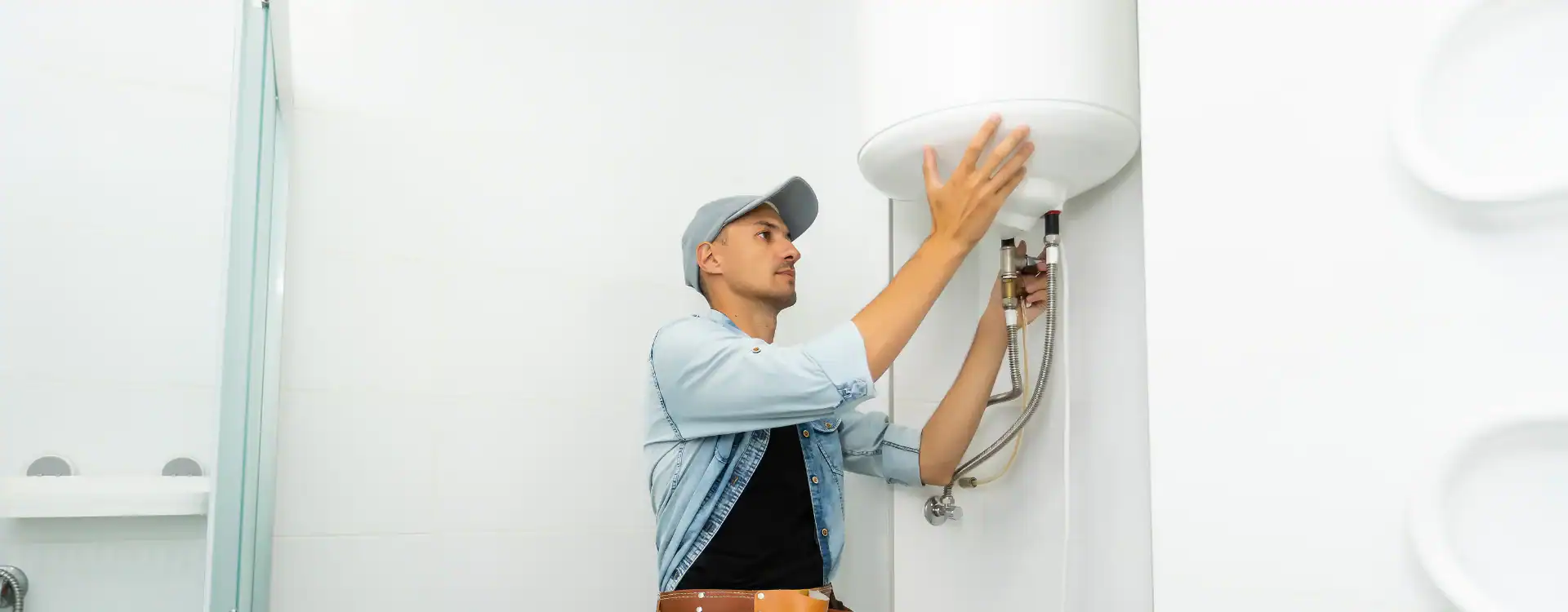
Hear from Our Customers
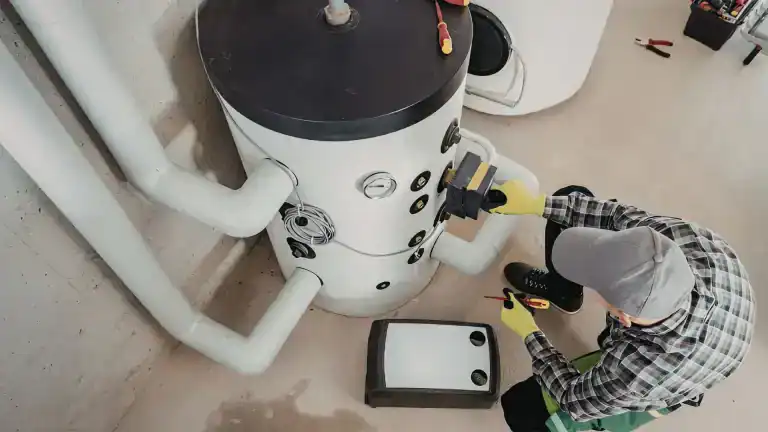
A failed water heater does not wait for a convenient time. It goes out on a Tuesday morning before work, or on a weekend when every plumber in the county seems unreachable. What you need is someone who answers the phone and gets moving — not someone who puts you on a callback list.
Most homes in the Fairbanks and Monteocha area were built between the 1970s and 1990s. That housing stock is aging, and the water heaters inside those homes are often on their second or third replacement cycle. If yours has been making rumbling or popping sounds, producing rust-colored water, or struggling to keep up with demand, those are not minor quirks — they are signs the unit is close to done.
The well water in this part of northern Alachua County draws from the Floridan Aquifer, which carries elevated calcium and magnesium levels. That mineral content builds up inside your tank over time, coating the heating elements and forcing the unit to work harder than it should. It shortens the lifespan of a water heater faster than most manufacturers account for. Getting ahead of it — or replacing a unit that has already crossed that line — puts you back in control of your home’s hot water without dragging the problem out any longer than necessary.
We hold a verified 5.0-star rating across Angi and HomeAdvisor — every review, five stars. Customers describe the same experience consistently: on time, efficient, fair pricing, and work they would hire us for again without hesitation. One customer called us their go-to plumber. Another named our technician directly and said they had zero complaints. That kind of specific, personal feedback is not manufactured.
We are a licensed Florida plumbing contractor registered with the DBPR, which means we are fully authorized to pull building permits through Alachua County’s Growth Management Department — the permitting authority for unincorporated communities like Monteocha. There is no city building office here, and navigating county-level requirements takes a contractor who knows the difference. We do.
We are available 24 hours a day, 7 days a week, including weekends and holidays. For a community in northern Alachua County where most service providers are based in Gainesville and do not always prioritize rural routes, that availability is not a small thing. It is the difference between hot water today and waiting until someone’s schedule opens up.
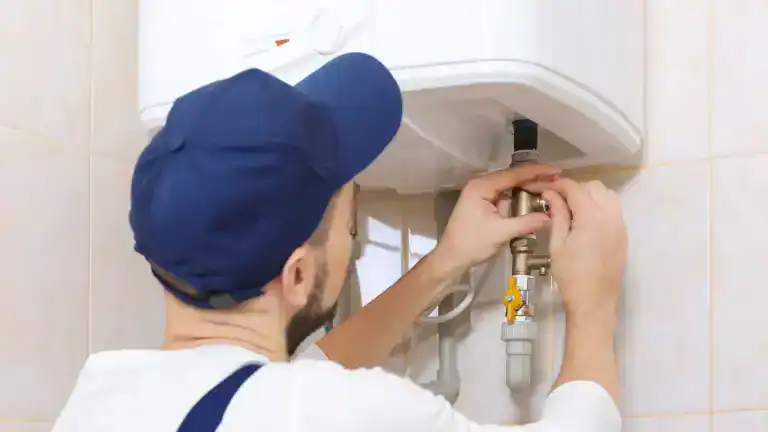
When you call us, the first thing that happens is a real conversation — not a voicemail. You describe what is going on with your water heater, and one of our technicians helps you understand whether you are looking at a repair or a full replacement. That guidance is honest. If a repair makes financial sense, that is what we recommend. If the unit is past the point where repair is worth it — especially common in homes where well water has accelerated the wear — replacement is the right call, and we will explain why clearly.
Once the scope is confirmed, we handle the Alachua County building permit required for water heater replacement in unincorporated areas like Monteocha. You do not have to contact the county, manage paperwork, or schedule a separate inspection. That is handled as part of the job. Every installation includes a properly rated Temperature and Pressure Relief valve and meets Florida Building Code requirements — the work is done to pass inspection, not just to pass a visual check.
The old unit gets removed and hauled away. In a rural area like Monteocha where bulk disposal is not always convenient, that matters more than it might seem. When the job is done, your new water heater is running, the workspace is clean, and the permit process is underway. No loose ends.
Ready to get started?
Our residential water heater removal and replacement service in Monteocha, FL covers the full scope of the job. That means assessing your current unit, recommending the right replacement based on your home’s size and demand, pulling the required Alachua County building permit, completing the installation to code, and hauling away the old unit when the work is done. The free estimate up front means you know the cost before anything starts — no surprises when the invoice arrives.
For homes in the Monteocha area dealing with hard well water from the Floridan Aquifer, we can walk you through unit options that hold up better under higher mineral loads, including tankless water heaters that eliminate the sediment buildup problem that shortens tank-style unit lifespans. Tankless units typically last 20 or more years and can be a strong long-term investment for a rural home that is not going anywhere. Standard tank replacements generally run $800 to $1,500, while tankless installations typically range from $1,400 to $3,900 depending on the unit and configuration — your free estimate will give you the exact number for your home.
Whether you are dealing with a burst water heater that needs emergency replacement today or a unit that has been slowly declining and finally needs to go, the service is the same: licensed, permitted, inspected, and done right the first time.
Yes — and because Monteocha is an unincorporated community, that permit comes from Alachua County’s Growth Management Department, not a city building office. This is a detail that trips up homeowners who assume the process works the same as it does in Gainesville or Alachua proper. In unincorporated areas, the county is the sole permitting authority, and only a licensed plumbing contractor can legally pull that permit on your behalf.
Skipping the permit is not a minor shortcut. It can result in code violations, failed inspections when you go to sell the home, and potential issues with homeowner’s insurance if a water-related claim is ever tied back to an unpermitted installation. We handle the Alachua County permit process as part of every water heater replacement — you do not have to make a single call to the county or track down an inspector yourself.
The honest answer depends on two things: the age of the unit and the cost of the repair relative to what a new unit would run. A general rule of thumb that holds up well in practice — if the repair cost is 50% or more of the cost of a new water heater, replacement is the smarter financial decision. You are essentially paying half the price of a new unit to extend the life of an old one, and that math rarely works in your favor.
For homes in Monteocha running on well water from the Floridan Aquifer, the age threshold matters even more. The elevated mineral content in local well water accelerates sediment buildup inside the tank, which shortens the unit’s effective lifespan. A water heater that might last 12 years on municipal water may be functionally done at 8 or 9 years in a home like yours. If your unit is making rumbling or popping sounds, producing discolored water, or failing to hold temperature, those are signs the mineral load has already done significant damage. We can assess it honestly and tell you which way the math points.
A leaking water heater is an emergency, not a problem to monitor. A tank operating under pressure can go from a slow drip to a significant release without much warning, and in a rural home in Monteocha where the water heater might be in a utility room, enclosed garage, or tight interior space, water damage can spread into walls, subflooring, and structural elements before you realize how bad it has gotten.
The first step is to shut off the water supply to the unit and cut power to it — either at the breaker for electric units or at the gas valve for gas-fired units. Then call for emergency water heater installation in Monteocha, FL. We are available 24 hours a day, 7 days a week, including weekends and holidays. Getting a licensed technician on site quickly is the fastest way to stop the damage and get a replacement unit in before the situation compounds. Do not wait to see if the leak slows down on its own.
For a standard tank-style water heater replacement in a residential home, the installation itself typically takes two to four hours from the time the technician arrives. That includes removing the old unit, installing the new one, connecting the water supply and energy source, installing the required Temperature and Pressure Relief valve, and testing the system to confirm it is operating correctly before the technician leaves.
The Alachua County building permit is initiated as part of the job, though the county inspection happens as a follow-up step after installation — that is standard procedure for all permitted work in unincorporated areas. In terms of hot water availability, most homeowners have a functioning unit the same day they call. Tankless installations can take a bit longer depending on the configuration and whether any gas line or electrical upgrades are needed, but our technician will walk you through the realistic timeline before any work begins so you know exactly what to expect.
It does, and it is one of the more common reasons homeowners in this part of northern Alachua County find themselves replacing a unit earlier than they expected. The Floridan Aquifer — which supplies most private wells in the Monteocha area — is a limestone-based system. Water drawn from it carries elevated levels of calcium and magnesium, which are the primary minerals responsible for scale buildup inside a water heater tank.
Over time, that scale accumulates on the heating elements and settles along the bottom of the tank. The unit has to work harder to heat the same volume of water, which increases energy consumption and puts additional stress on components that were not designed to operate under that kind of load. The rumbling or popping sound many homeowners notice in an aging water heater is often that sediment layer being disturbed during the heating cycle — a sign the buildup has become significant. On municipal water, a tank water heater might last 10 to 12 years. On well water with the mineral profile common to this area, that window can shrink considerably. Knowing that going in helps you plan ahead rather than get caught off guard.
Yes — old water heater haul away and replacement in Monteocha, FL is included as part of the job. The old unit is removed, loaded out, and disposed of properly. You do not have to arrange a truck, find a county disposal facility, or figure out what to do with a 40 to 80 gallon steel tank sitting in your garage or utility room.
This is worth mentioning specifically for Monteocha because rural communities in unincorporated Alachua County do not always have convenient curbside bulk pickup options the way incorporated cities do. Getting rid of a large appliance in a place like this takes more planning than it does in Gainesville, and it is a detail that often does not come up until after the new unit is already installed. With us, it is handled as a standard part of the replacement — one less thing to figure out on a day that already had enough going on.
Other Services we provide in Monteocha