
Hear from Our Customers
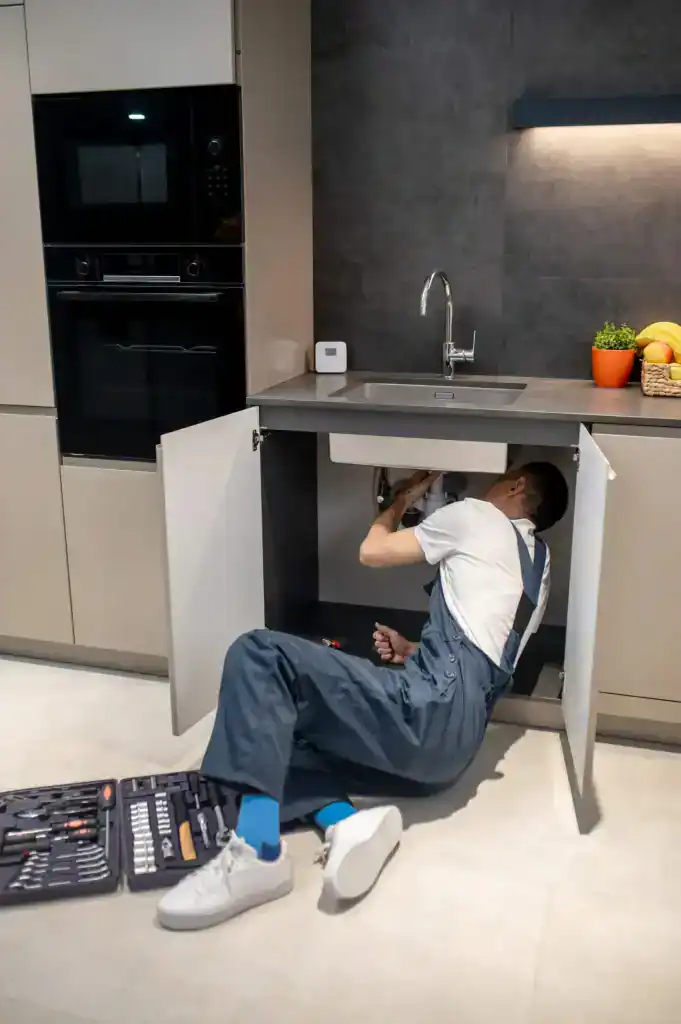
Living on a narrow strip of land between two large lakes sounds peaceful — and it is, until your drains start backing up in the middle of rainy season. Cross Creek sits on some of the highest water table land in Alachua County. When that table rises between June and September, septic drain fields get saturated, and the symptoms show up inside your home as slow drains, gurgling toilets, and odors that no amount of store-bought cleaner will touch.
The problem most homeowners run into is assuming it’s a simple clog. Sometimes it is. But in Cross Creek, where every home runs on a private septic system and the ground is sandwiched between Orange Lake and Lochloosa Lake — both designated Outstanding Florida Waters — the real issue is often deeper than the drain line. Getting that wrong diagnosis costs you time, money, and potentially a conversation with the Florida DEP if things get bad enough near the water.
That’s exactly where a drain cleaning service that also handles sewer camera inspection and septic tank service becomes worth its weight. You get a real answer, not a temporary fix. We cover the full picture — drain line, septic tank, camera inspection — without sending you to three different contractors across rural Alachua County roads.
We’re based out of Gainesville — about 20 miles from Cross Creek via CR 346 and US 441. That’s not a long haul. It’s a local call. And unlike some of the bigger names that treat rural Alachua County like an afterthought, Cross Creek is part of our regular service territory, not a special trip with a surcharge attached.
We hold a Florida DBPR plumbing license, carry a perfect 5.0 rating across Angi and HomeAdvisor, and we’re available every day of the week — including weekends, which matters when you’re dealing with a backup on a Saturday morning before guests arrive at your lakeside cabin. We’ve built our reputation on showing up, diagnosing it correctly, and fixing it the right way the first time.
Cross Creek residents have enough to deal with — aging pipes, high water tables, mature oak trees with roots that go looking for moisture in all the wrong places. You deserve a plumber who already understands all of that before we pull into your driveway.
When you reach out to us, the first thing we do is listen. You describe what you’re seeing — slow drains, a smell, a gurgling sound, a backup — and we ask the right questions to figure out whether this is a drain line issue, a septic system issue, or a combination of both. In Cross Creek, that distinction matters more than it does almost anywhere else in Alachua County, so we don’t skip it.
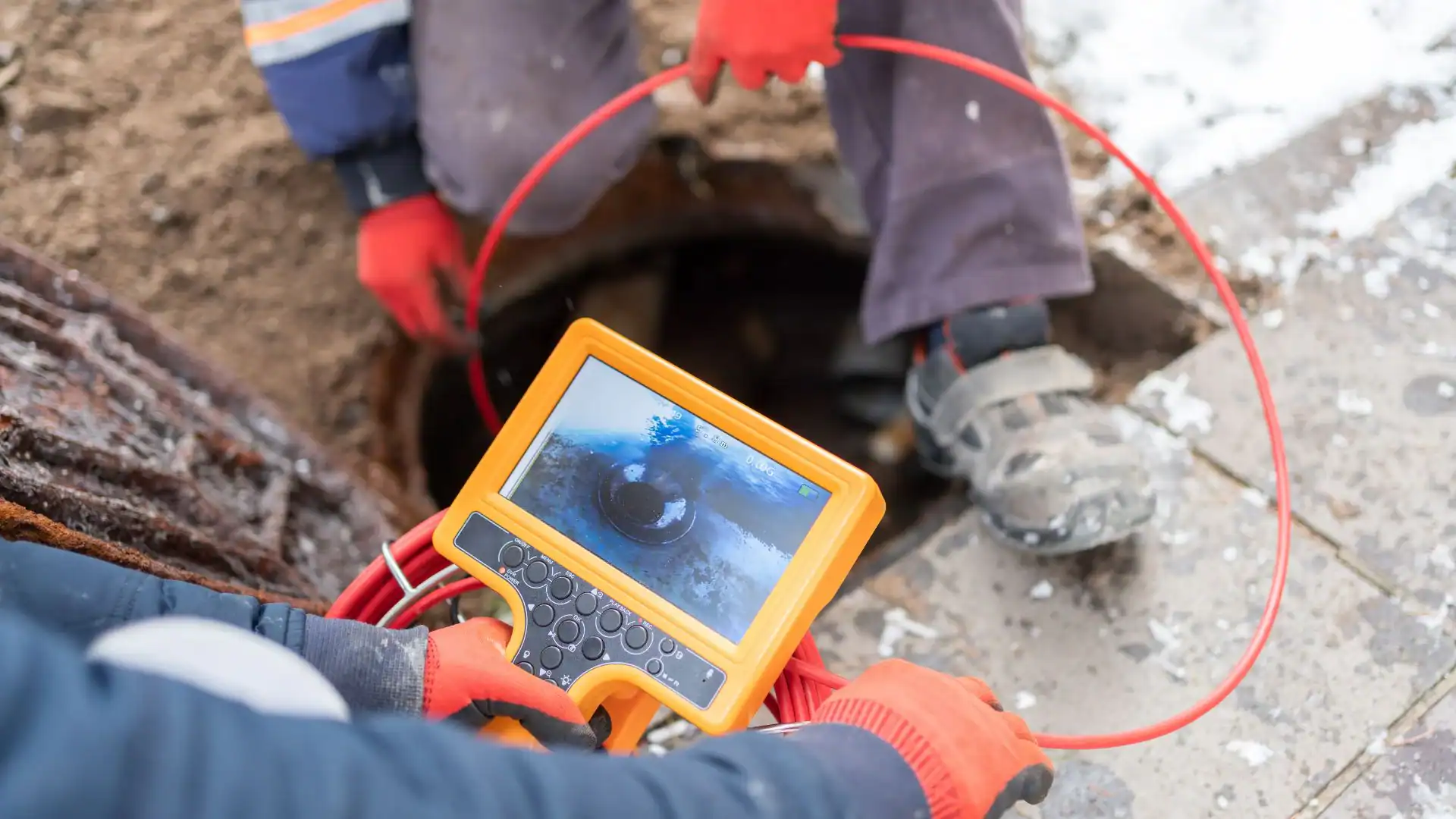
When we arrive, we start with a visual assessment and work through the drain line first. If the problem clears cleanly, great — you’re done. If there’s any indication that the issue goes deeper, we bring in the sewer camera. The camera goes directly into the pipe and shows us exactly what’s happening: root intrusion from one of the live oaks on your property, a joint that’s separated in an older clay line, a buildup that a snake alone won’t resolve. You see what we see. No guessing.
From there, we walk you through what the repair or service actually involves, what it costs, and what you can expect afterward. If the septic tank needs to be pumped or inspected as part of the picture, we handle that in the same visit. In a rural community like Cross Creek, where driving out to a second appointment is genuinely inconvenient, getting everything addressed in one trip isn’t just efficient — it’s the only approach that makes sense.
Ready to get started?
Cross Creek homes are different from a Gainesville subdivision house in almost every way that matters for plumbing. There’s no municipal sewer connection. No city water. Every property runs on a private well and a septic system, and many of those systems are sitting in soil that sits just above the water line for several months out of the year. Add in housing stock that in some cases dates back to the mid-20th century, with clay or cast-iron drain lines that were never designed to handle Florida’s wet season water table pressures, and you’ve got a specific set of problems that need a specific kind of service.
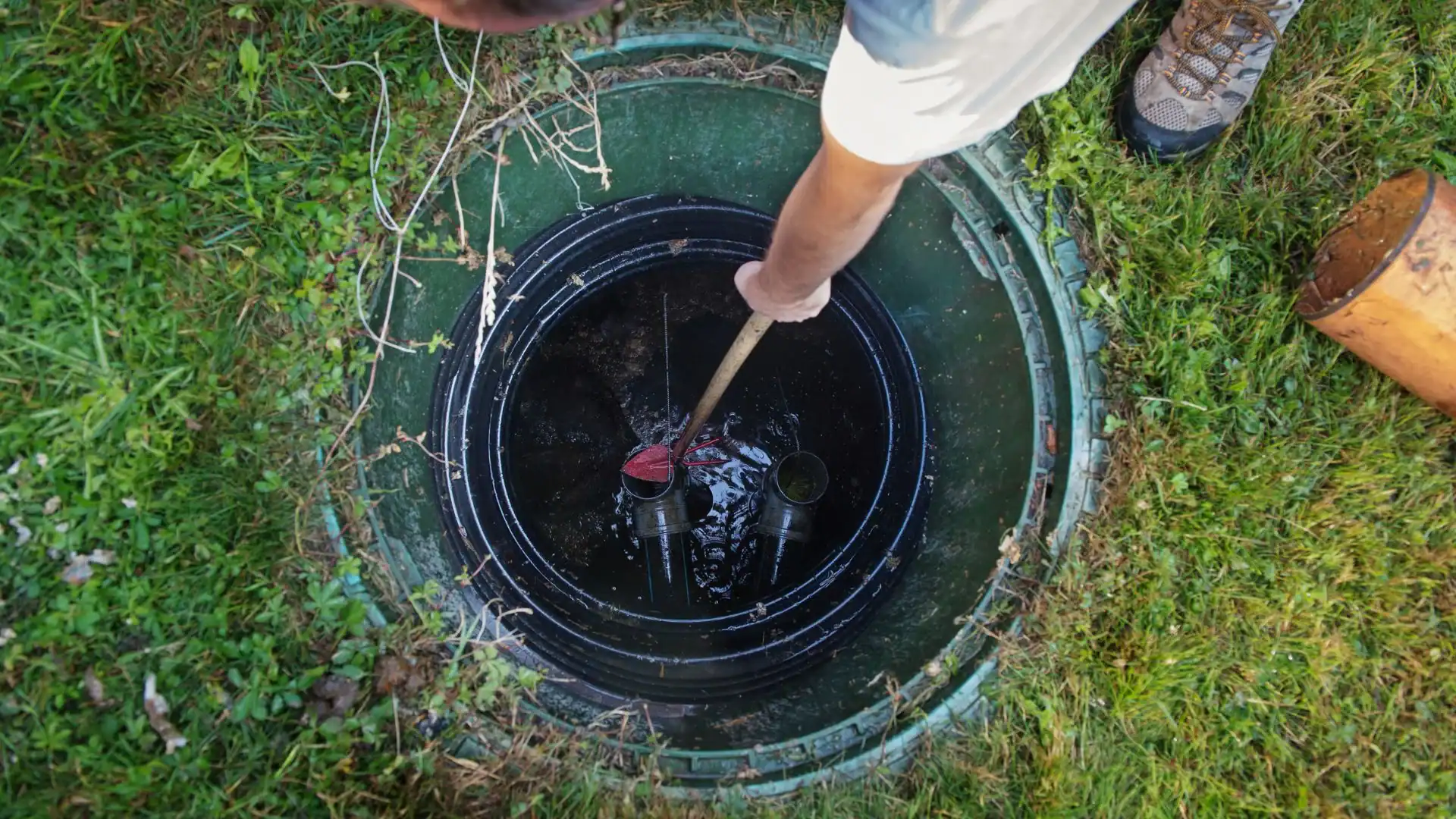
Our drain cleaning service in Cross Creek includes full drain line clearing, sewer camera inspection for diagnosis and verification, septic tank pumping and inspection, and hydro jetting when root intrusion or heavy buildup requires more than a standard snake. Because both Orange Lake and Lochloosa Lake carry Outstanding Florida Water designations, any septic work we perform is done in compliance with Florida DEP standards and Alachua County Health Department requirements — protecting your property and the water quality of the lakes surrounding your community.
If you’re managing a fishing cabin, a vacation rental along the lakeshore, or a long-standing family property on CR 325, the service is the same: thorough, honest, and done right. No rural surcharges. No sending you to a second contractor. One call, one team, one visit.
This is one of the most common questions we get from Cross Creek homeowners, and it’s a fair one — because the symptoms can look identical. Slow drains, gurgling sounds, and sewage odors inside the house can all point to either a blocked drain line or a septic system that’s under stress. The difference matters because the fix is completely different.
The clearest sign that it’s a septic issue rather than a simple clog is when multiple drains in the home are slow or backing up at the same time — especially if it’s happening during or after heavy rainfall. In Cross Creek, where the water table between Orange Lake and Lochloosa Lake rises significantly during Florida’s wet season, a saturated drain field is a realistic and common cause. A sewer camera inspection is the fastest way to get a definitive answer. It eliminates the guesswork and tells you exactly what you’re dealing with before any money is spent on a repair.
Yes, and it’s more common in Cross Creek than most homeowners expect. The mature live oaks and water oaks that define the landscape of this community have aggressive root systems that actively seek out moisture underground. Older clay and cast-iron drain lines — common in Cross Creek’s mid-20th century housing stock — are particularly vulnerable because their joints aren’t sealed the way modern PVC systems are. Roots find those joints and work their way in over time.
The frustrating part is that root intrusion doesn’t announce itself. You might notice a drain running a little slower than usual, or a recurring clog that clears temporarily and then comes back. That cycle is a classic sign of root intrusion. A standard drain snake will break through the roots and restore flow temporarily, but it won’t remove them — they grow back. A sewer camera inspection confirms whether roots are the issue, and hydro jetting can clear them more thoroughly. If the pipe itself has been compromised, trenchless repair options are available that don’t require tearing up your yard.
The general guideline for septic tank pumping is every three to five years for a typical household, but that range shifts depending on how many people are using the system, the size of the tank, and the environmental conditions around it. For properties in Cross Creek near Orange Lake or Lochloosa Lake, the environmental piece carries extra weight.
Both lakes carry Outstanding Florida Water designations, which means the Florida DEP and Alachua County Health Department pay closer attention to septic systems in this area than they do in communities farther from sensitive water bodies. A failing or overloaded septic system near these lakes isn’t just a household problem — it’s a potential source of nutrient pollution with real legal and financial consequences for the property owner. If your tank hasn’t been pumped in three years or more, or if you’ve noticed slow drains or odors during wet season, it’s worth scheduling an inspection. Catching an issue early is significantly less expensive than a drain field repair or replacement.
When the water table rises — which happens reliably in Cross Creek every wet season between June and September — the soil around your septic drain field becomes saturated. A drain field works by allowing treated wastewater to slowly absorb into the surrounding soil. When that soil is already full of water, it can’t absorb anything else. The result is that wastewater backs up through the system, eventually showing up as slow drains, gurgling pipes, or sewage odors inside the home.
This is a seasonal reality for many Cross Creek properties, and it doesn’t necessarily mean your septic system is failing — it may just be under temporary stress from the water table. However, repeated saturation events over multiple wet seasons can degrade drain field performance over time. A professional inspection after a high-water event can tell you whether your system recovered normally or whether there’s underlying damage that needs to be addressed before next rainy season. If you’re noticing symptoms that don’t clear up once the water table drops, that’s a signal to call sooner rather than later.
For most homeowners, a sewer camera inspection makes the most sense when there’s an active symptom — a recurring clog, a slow drain, an odor. But for Cross Creek properties with older construction, it’s also one of the smarter preventative investments you can make. Clay and cast-iron pipes that were installed in the 1950s, 60s, or 70s are now well past their expected service life. They don’t fail dramatically all at once — they degrade gradually, and the early signs are easy to miss.
A camera inspection gives you a clear picture of what’s actually inside your pipes: any early-stage root intrusion, corrosion, joint separation, or buildup that hasn’t caused a problem yet but will. Catching those issues before they become emergencies is almost always cheaper than dealing with them after a full backup or a collapsed line. Spring is a particularly good time for this in Cross Creek — tree roots push their most aggressive new growth between March and May, and getting ahead of that growth before it becomes a blockage is straightforward when you know what’s there.
Cross Creek is part of our regular Alachua County service area — not a rural exception that requires a special trip. The drive from our Gainesville location via CR 346 to US 441 puts Cross Creek well within our normal service range, and we don’t add rural surcharges for communities in southeastern Alachua County. That’s a real concern for a lot of Cross Creek residents who’ve dealt with contractors quoting one price and then adjusting it once they see the address.
We’re also available seven days a week, which matters in a community where weekend fishing trips, vacation rental turnover, and lakeside gatherings don’t pause for business hours. One of the closest competitors serving this corridor is closed on weekends entirely. If a drain backs up on a Saturday morning before company arrives, you shouldn’t have to wait until Monday. We’re reachable every day, and our goal every time is to get there, diagnose it correctly, and fix it in a single visit — no unnecessary return trips, no runaround.
Other Services we provide in Cross Creek