
Hear from Our Customers
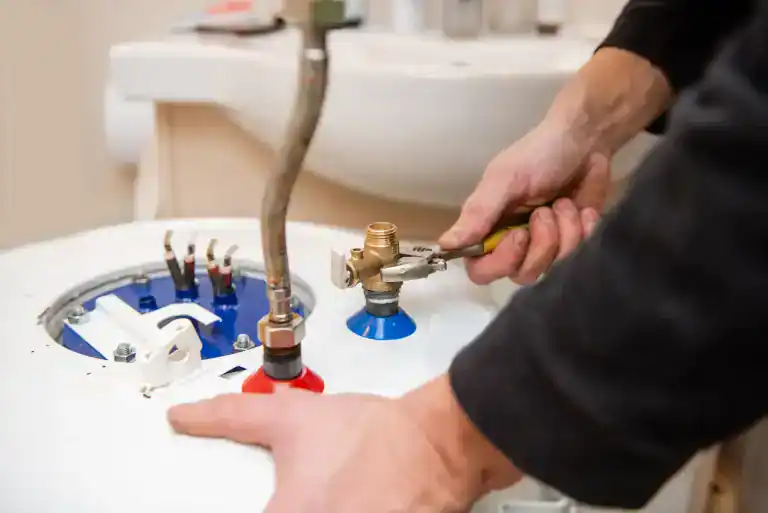
A water heater failure doesn’t wait for a convenient time. Whether you’re a homeowner in Haile Plantation dealing with a cold shower before work or a landlord on Archer Road with a tenant calling at 9pm, the outcome you need is the same — someone qualified shows up today and fixes it right.
Gainesville’s water supply is harder than most people realize. GRU’s own data puts local hardness at roughly 140 mg/L, which translates to calcium and magnesium deposits building up on your heating elements and settling at the bottom of your tank over time. That sediment layer forces your unit to work harder, burns through components faster, and shortens the lifespan of a water heater that should have had years left. A technician who understands what Gainesville’s water does to these systems isn’t just fixing the symptom — they’re giving you a real picture of what’s going on.
The other thing worth knowing: Gainesville averages around 16 freeze days a year. Florida homes aren’t built with the insulation standards of northern states, so when a cold snap rolls through in December or January, water heater components already stressed by sediment and age take the hit harder. That’s usually when the calls come in — and same-day water heater repair in Gainesville, FL is exactly what we’re set up to deliver.
We’re a family-owned and operated plumbing company serving Gainesville and the surrounding Alachua County area. There’s no corporate layer between you and the people doing the work — when something goes right, our family knows. When something needs to be made right, the same people answer for it.
Every technician works under a Florida-licensed plumbing contractor. That matters in Gainesville because Alachua County requires permits for water heater replacements, and work done without one can create real problems at resale or with your homeowner’s insurance. We pull permits properly, every time — which protects you, not just the job.
Our reviews speak for themselves. Customers have specifically called out technicians by name and noted being told honestly that their unit was repairable when another company might have pushed a full replacement. That kind of straightforward service is what keeps a family-owned business running in a city like Gainesville, where word travels fast and people remember who did right by them.
When you call us, a real person picks up — not a voicemail, not an answering service that takes a message and disappears. You’ll describe what’s happening, get a specific arrival window, and know upfront that the estimate is free. No dispatch fee to find out what you’re dealing with.
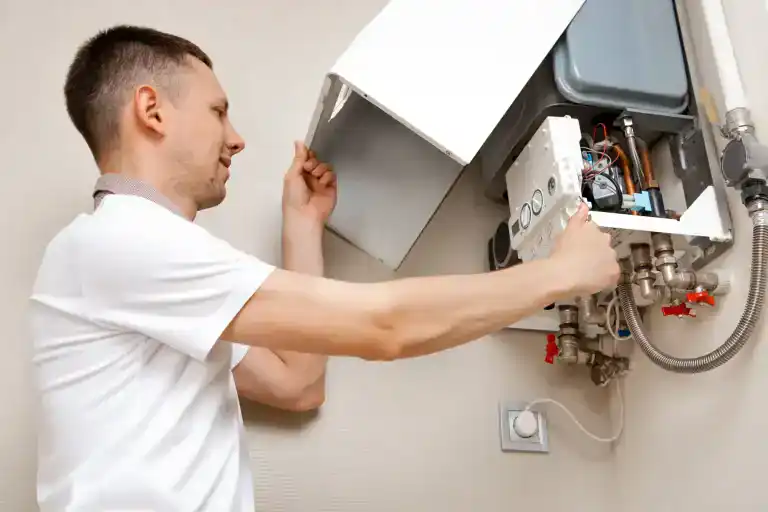
When our technician arrives, the first thing they do is assess the unit honestly. That means checking the heating elements, thermostat, anode rod, T&P relief valve, and the condition of the tank itself — with Gainesville’s water chemistry in mind. Sediment buildup from the Floridan Aquifer is one of the most common culprits behind underperforming or failed water heaters here, and it’s something that gets checked as a matter of course, not an upsell. If the unit can be repaired, you’ll hear that. If it’s genuinely past its useful life, you’ll hear that too — with a clear explanation of why.
If a replacement is the right call, we handle the permit through Alachua County’s Building Division, schedule the inspection, and make sure the job is documented and code-compliant. For homeowners in established neighborhoods like Duckpond or newer builds in Town of Tioga, that paper trail matters — especially when it comes time to sell.
Ready to get started?
We handle the full range of water heater issues — leaking tanks, failed heating elements, tripped breakers, pilot lights that won’t stay lit, lukewarm water that’s been getting worse for weeks, and full emergency situations involving burst or flooded units. Both gas and electric systems are covered, which matters in Gainesville because GRU supplies natural gas to a significant portion of the city, and gas water heater repair requires a different skill set than electric.
For leaking water heater repair in Gainesville, FL, the first step is always shutting off the water supply valve and the power or gas to the unit before anything else. If you’re not sure how to do that safely, the person who answers your call can walk you through it while a technician is already on the way. A leak doesn’t always mean the tank is done — but it does mean the clock is running, and waiting makes the water damage side of the problem worse.
Flooded and burst water heater situations are treated as emergencies. We dispatch same-day, seven days a week. Whether it’s a rental property near UF’s campus or a home in Kensington Park, the response is the same — fast, licensed, and focused on stopping the damage and getting your hot water restored without unnecessary upselling or delays.
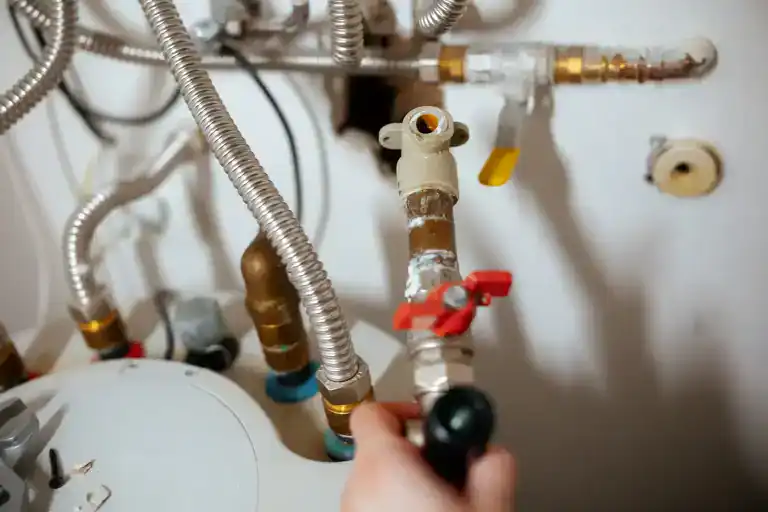
For a straight repair — replacing a heating element, thermostat, anode rod, or T&P valve — a permit is typically not required. But if you’re replacing the full unit, Alachua County does require a building permit, and that work needs to be done by a licensed plumbing contractor who can pull the permit and pass the inspection.
This isn’t just a bureaucratic formality. Unpermitted water heater replacements can cause real problems when you go to sell your home — buyers’ inspectors flag it, and it can hold up or kill a closing. It can also affect your homeowner’s insurance coverage if water damage occurs from a unit that was installed without a permit. We handle the permit process through the Alachua County Building Division as part of every qualifying job, so you don’t have to track it down yourself.
The honest answer is that it depends on the age of the unit, the nature of the problem, and what the internal components look like when a technician actually inspects it. A 6-year-old water heater with a failed heating element is almost always worth repairing. A 14-year-old tank with heavy sediment buildup, a corroded anode rod, and a slow leak at the base is usually a replacement conversation.
In Gainesville specifically, the hard water from the Floridan Aquifer accelerates wear on heating elements and anode rods, which means units here sometimes hit the end of their useful life earlier than the manufacturer’s estimated lifespan suggests. If your water heater is 10 years or older and showing symptoms, it’s worth having a technician give you an honest read on what’s actually going on inside — not a reflexive push toward a new unit, but a real assessment. We have a documented track record of recommending repair when repair is the right answer, even when a replacement would have been the more profitable call.
The first thing to do is locate the cold water supply valve at the top of the tank and shut it off. That stops new water from entering the tank and limits how much water ends up on your floor. Next, shut off the power to an electric unit at the breaker, or turn the gas valve to the pilot position on a gas unit. Don’t leave either running while the tank is actively leaking.
Once you’ve done that, call for same-day water heater repair in Gainesville, FL. A leak at the base of the tank can indicate a cracked or corroded tank, which is a replacement situation — but a leak at a fitting, valve, or connection is often repairable without replacing the unit. The only way to know is to have a licensed technician look at it. The longer you wait, the more floor, drywall, or subfloor damage accumulates, so getting someone there the same day matters beyond just the water heater itself.
The most common cause in Gainesville homes is sediment buildup at the bottom of the tank. Because GRU’s water supply from the Floridan Aquifer carries a hardness level of around 8.2 grains per gallon, calcium and magnesium deposits accumulate on the tank floor over time. That layer of sediment sits between the burner or heating element and the water, making the unit work harder and longer to heat the same volume — and it reduces the effective capacity of the tank because the sediment is taking up space.
The fix is often a tank flush combined with an inspection of the heating elements and thermostat. If the elements have scaled over significantly, they may need to be replaced. This is a straightforward repair in most cases, and it’s one that extends the remaining life of a unit that still has good years left. Annual tank flushes are the best way to prevent this from becoming a recurring problem — especially given Gainesville’s water chemistry.
Most standard repairs — replacing a heating element, thermostat, pilot assembly, T&P valve, or anode rod — take between one and two hours once the technician is on-site. The time varies depending on the accessibility of the unit, the age of the fittings, and whether any sediment flushing is needed alongside the repair.
A full water heater replacement typically takes two to four hours, depending on the size of the unit, whether the new installation requires any adjustments to existing connections, and whether a permit inspection can be scheduled same-day or needs to follow up. We give you a specific arrival window when you call — not a four-hour block — so you’re not rearranging your entire day around a vague estimate. For property managers handling a no-hot-water call from a tenant, knowing the actual timeline upfront makes a real difference.
Yes — both gas and electric systems are fully covered. This matters more in Gainesville than in some other areas because GRU distributes natural gas directly to a significant portion of city residents, which means gas water heaters are genuinely common here. Gas and electric units have different components, different failure modes, and different safety considerations, and our technicians are experienced with both.
If you’re on GRU’s natural gas service and your water heater is acting up — pilot light issues, inconsistent heating, strange smells near the unit — those are gas-specific symptoms that need a plumber familiar with gas systems, not just general plumbing. GRU has also offered rebates in the past for converting from electric to energy-efficient natural gas water heaters, so if you’re already looking at a replacement, it’s worth asking whether your address qualifies for any current GRU incentive programs before you commit to a unit type.
Other Services we provide in Gainesville