A plumbing emergency in Alachua County can spiral fast. Here's what to do first, what it costs, and who to call when every minute counts.
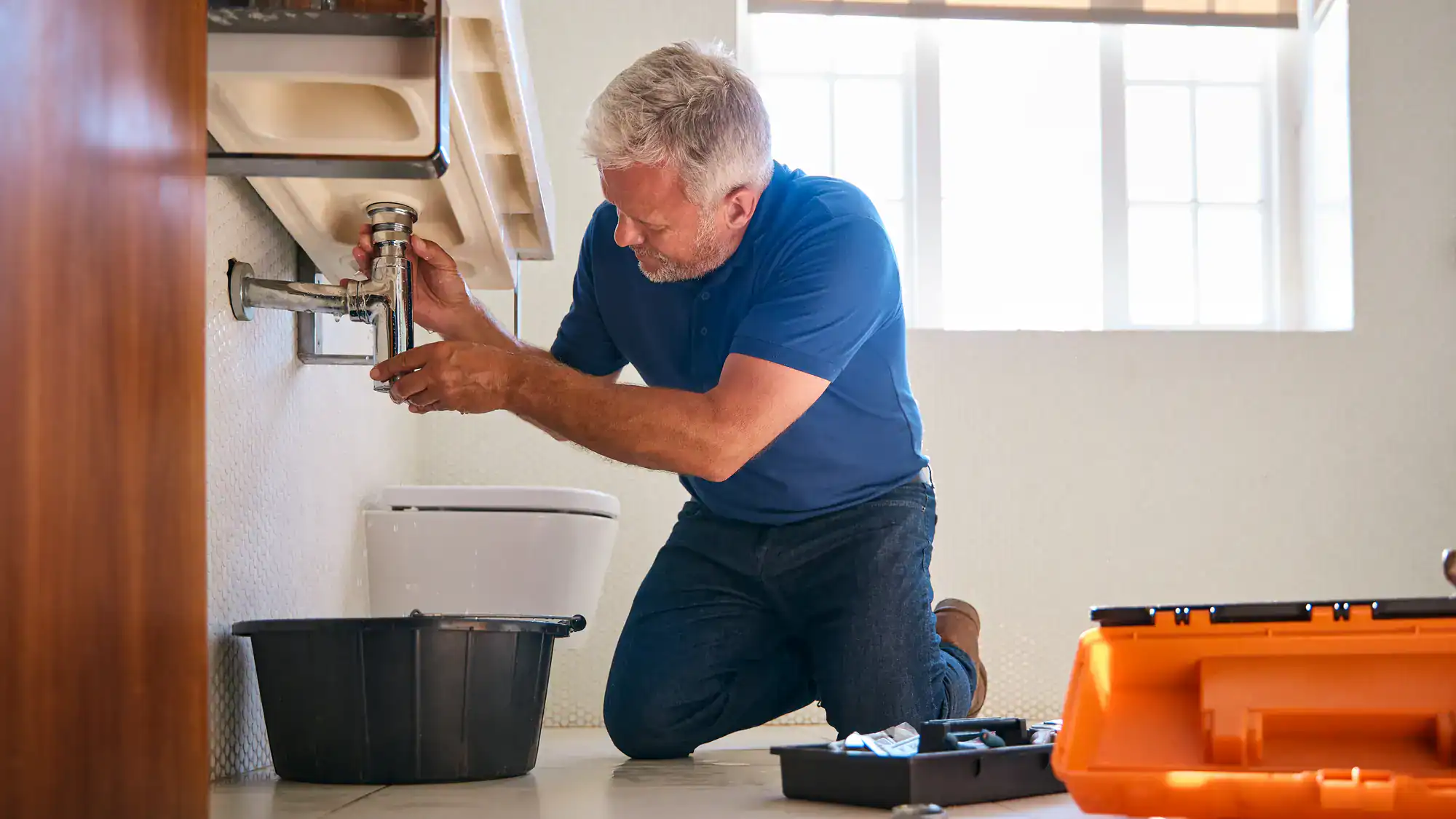
A plumbing emergency has a way of making everything else stop. One minute you’re asleep, the next you’re standing in an inch of water trying to figure out who to call and whether it’s worth waking someone up at 2 AM. It is. Water damage spreads fast, and the cost of waiting almost always exceeds the cost of calling. We’ve been responding to plumbing emergencies across Alachua County for over six years, and we’ve seen firsthand what a few hours of delay can do to a floor, a wall, or a ceiling. This page is here to help you move fast and make smart decisions — starting right now.
Not every plumbing problem needs a 2 AM call. A slow drain in the guest bathroom can usually wait until morning. But some situations genuinely cannot — and knowing the difference can save you a lot of money, stress, and property damage.
A true plumbing emergency is anything that involves active water loss you can’t stop, sewage backing up into your home, a complete loss of water service, or any situation where the water is near electrical outlets or panels. Burst pipes, major slab leaks, overflowing toilets that won’t shut off, and failed water heaters that are flooding a utility room all qualify. If water is moving somewhere it shouldn’t be and you can’t stop it, that’s an emergency.
Throughout Alachua County — from Gainesville and Haile Plantation to Duckpond, Archer, Waldo, and Hawthorne — a few specific situations come up more than others. The sandy limestone soil and slab foundations common throughout the region mean pipes can shift and crack in ways that aren’t obvious until a water bill spikes or a floor starts feeling warm and damp. Tree roots from the oaks and magnolias that line neighborhoods work their way into older sewer lines and can cause a complete backup with almost no warning. And during the occasional hard freezes that hit North Central Florida in January or February, pipes in older homes and mobile homes throughout rural Alachua County are genuinely at risk of bursting.
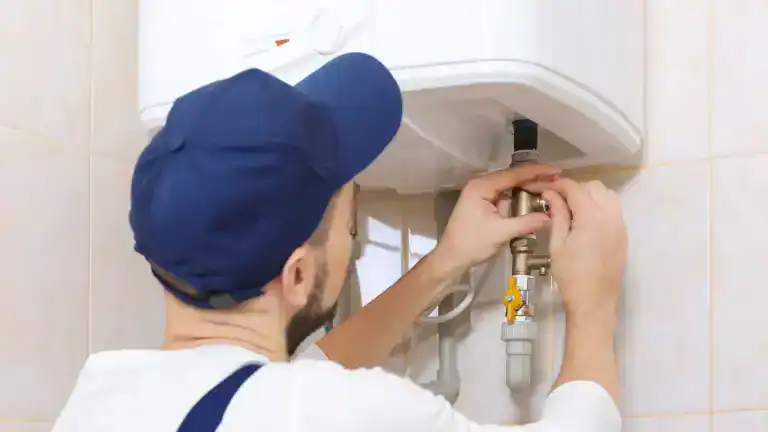
A slow or clogged shower drain is one of the most common plumbing calls we get, and it’s also one of the most mishandled DIY situations. Most people reach for a chemical drain cleaner first. That’s understandable — it’s sitting right there under the sink. But those products have real limitations, and in some cases, they make the problem worse.
Chemical drain cleaners work on soft organic clogs like hair and soap buildup, but they do nothing for root intrusions, solid debris, or clogs deep in the drain line. More importantly, if you’re dealing with older PVC or galvanized pipes — which are common in Alachua County homes built in the 1970s and 1980s — repeated use of caustic drain cleaners can accelerate pipe degradation. You’re essentially trading a $15 bottle for a much more expensive pipe repair down the road.
When you’re trying to unclog a drain yourself, a drain snake or a simple hair-catcher removal is the safest starting point. If that doesn’t clear it, or if the water is backing up in multiple fixtures at once, stop. Multiple slow drains happening simultaneously almost always point to a blockage in the main line, not an individual fixture — and that’s not a job for a plunger.
We use hydro-jetting and drain cameras to locate and clear blockages that chemical products and manual snaking can’t touch. Hydro-jetting uses high-pressure water to cut through grease, mineral buildup, and root intrusions without damaging the pipe itself. A drain camera lets us see exactly what’s happening before we start, so we’re not guessing. If your shower drain has been slow for weeks and nothing has helped, it’s worth getting a real diagnosis rather than continuing to pour chemicals into the problem.
Kitchen sink drains and toilets account for the majority of residential plumbing repair calls in Alachua County, and both are worth understanding before something goes wrong.
Kitchen sink drain cleaning is often more involved than it looks. Grease accumulates on the interior walls of drain lines over time — not in one big clog, but as a slow narrowing that eventually restricts flow enough to cause a backup. In Alachua County’s hard water environment, where the Floridan Aquifer delivers naturally mineral-rich water through your taps, that mineral buildup compounds the grease problem. A sink that drains slowly is usually a sign that the line needs a proper cleaning, not just a shot of drain cleaner.
Toilet repair is its own category. A running toilet is the single biggest water waster in most homes. The fix is usually a worn flapper or a faulty fill valve, both of which are inexpensive parts. But if the toilet is rocking, leaking at the base, or the flush is weak despite a clear bowl, those are signs of a more serious issue — potentially a wax ring failure or a partial blockage in the drain line below the floor.
The reason both of these situations escalate is the same: people wait. A slow sink becomes a backed-up sink. A running toilet becomes a water bill that’s higher than it should be, month after month. Catching these early is almost always cheaper than dealing with them after they become emergencies.
Want live answers?
Connect with a Dee Rooter Plumbing expert for fast, friendly support.
Cost is the first thing most people want to know when they’re facing a plumbing emergency, and it’s also the thing most plumbing companies are vaguest about. We think that’s backwards. You’re already stressed — the last thing you need is a surprise invoice.
Emergency plumbing in Alachua County typically runs between $170 and $500 per hour depending on the time of day, the complexity of the job, and the materials required. Most companies also charge a trip fee, which averages around $100 to $350, on top of the hourly rate. A middle-of-the-night weekend call will cost more than a Tuesday afternoon one — that’s just the reality of after-hours labor. But we’ll tell you the rate before anyone shows up, not after the work is done.
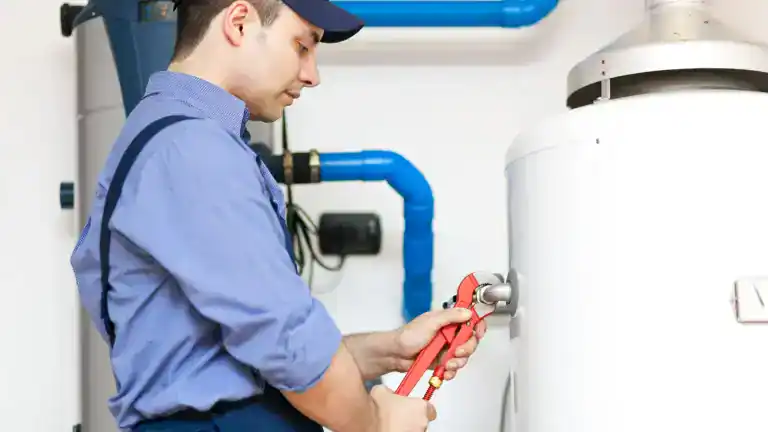
Some plumbing companies charge by the hour; others quote a flat rate for a specific job. Both models are legitimate, but they work differently and it matters which one you’re dealing with before you agree to anything.
Hourly pricing means you pay for the actual time spent on the job, plus parts. This can work in your favor on simple repairs that take less time than expected, but it also means a complicated job that runs long will cost more than the initial estimate. The national average for emergency plumber cost runs around $150 per hour, with after-hours rates climbing to $120–$300 per hour on weekdays and up to $450 or more on holidays.
Flat-rate pricing means we give you a set price for a defined scope of work — unclogging a main drain line, replacing a water heater, repairing a burst pipe. You know the number before work starts, and it doesn’t change unless the scope of the job changes. This model tends to reduce pricing anxiety because there’s no clock running.
What you want to avoid is any company that won’t give you a number — even a range — until after they’ve diagnosed the problem and have already started. That’s when it becomes difficult to say no, and some companies know that. We give upfront estimates before we begin, and we explain what’s included. If something unexpected comes up mid-job, we tell you before we proceed, not after.
The bottom line on emergency plumber price: for most common emergencies — a burst pipe, a severe drain blockage, a water heater failure — you’re typically looking at $300 to $1,500 all in, depending on the severity and timing. Major slab repairs or full sewer line replacements run higher, sometimes $2,000 to $5,000 or more. Those aren’t fun numbers, but knowing them upfront at least lets you make an informed decision.
A lot of plumbing companies advertise 24/7 availability. Fewer actually deliver it. The difference shows up when you call at 11 PM on a Sunday and either get a live person or get voicemail.
We answer the phone around the clock, every day of the year — including weekends, holidays, and during the tropical storms that roll through Alachua County every summer. When a pipe bursts during a cold snap in January or a drain backs up on Thanksgiving morning, you shouldn’t have to leave a message and hope someone calls back.
Response time matters more than almost anything else. Water damage doesn’t pause while you wait for a callback. The longer water sits — in a wall cavity, under a floor, in a subfloor — the more expensive the remediation becomes. A fast response doesn’t just fix the plumbing problem; it limits the secondary damage that often costs more than the plumbing repair itself.
As a weekend plumber option, we’re also available for non-emergency calls on Saturdays and Sundays for homeowners who can’t take time off during the week. Not every plumbing issue is a crisis, but your schedule is still your schedule. We don’t think weekend availability should come with a penalty for jobs that aren’t urgent — just honest rates and clear communication about what the job will cost.
Before you call us, before you do anything else, you need to know where your main water shut-off valve is and how to use it. This single piece of knowledge can be the difference between a $400 repair and a $4,000 one.
In most Alachua County homes, the main water shut-off valve is located near the front of the house — either in a utility closet, near the water heater, or outside in a ground-level box near the street. In mobile homes, which are common throughout rural parts of Alachua County, the shut-off is often under the home near where the supply line enters. If you’ve never located yours, take five minutes to find it right now, before an emergency happens.
The valve itself is usually a round knob or a lever. Turn it clockwise (or pull the lever perpendicular to the pipe) until it stops. You’ll feel resistance — that’s normal. Don’t force it. Once it’s closed, the water to your entire house stops. This is exactly what you want when a pipe bursts, a water heater fails, or a slab leak is flooding your foundation.
Summary:
Share: