Cold showers, strange noises, or a rising GRU bill — find out what your water heater is actually telling you and what to do next.
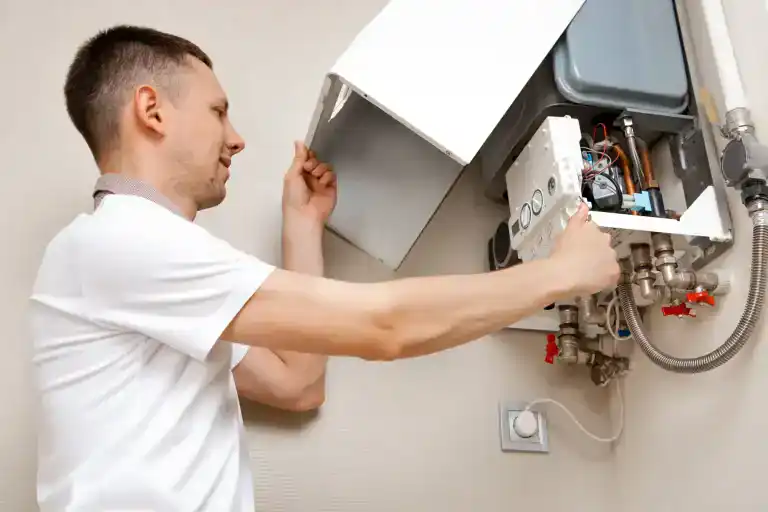
Most people don’t think about their water heater until something goes wrong. Then it’s a cold shower at 6 a.m., a puddle on the utility room floor, or a GRU bill that’s crept up for the third month in a row — and suddenly it’s urgent. The frustrating part is not knowing whether you’re dealing with a quick fix or a full replacement. And the last thing you want is to spend $400 repairing a unit that’s going to fail again in six months. This guide is here to help you think through that decision clearly, with real numbers and honest guidance — starting with what your water heater might actually be telling you.
Not every water heater problem is a death sentence for the unit. Some of the most common complaints — inconsistent water temperature, a rumbling sound, or slightly reduced hot water — point to fixable issues like a failing heating element, a worn thermostat, or sediment buildup in the tank. These repairs typically run between $150 and $400, and when the unit is relatively young and otherwise in good shape, they’re almost always worth doing.
Where it gets trickier is when you’re seeing multiple symptoms at once, or when the same problem keeps coming back. A pressure relief valve that keeps tripping, rust-colored water at the tap, or visible corrosion around the base of the tank are signs the unit itself is compromised — not just a component. At that point, repair stops being a solution and starts being a delay.
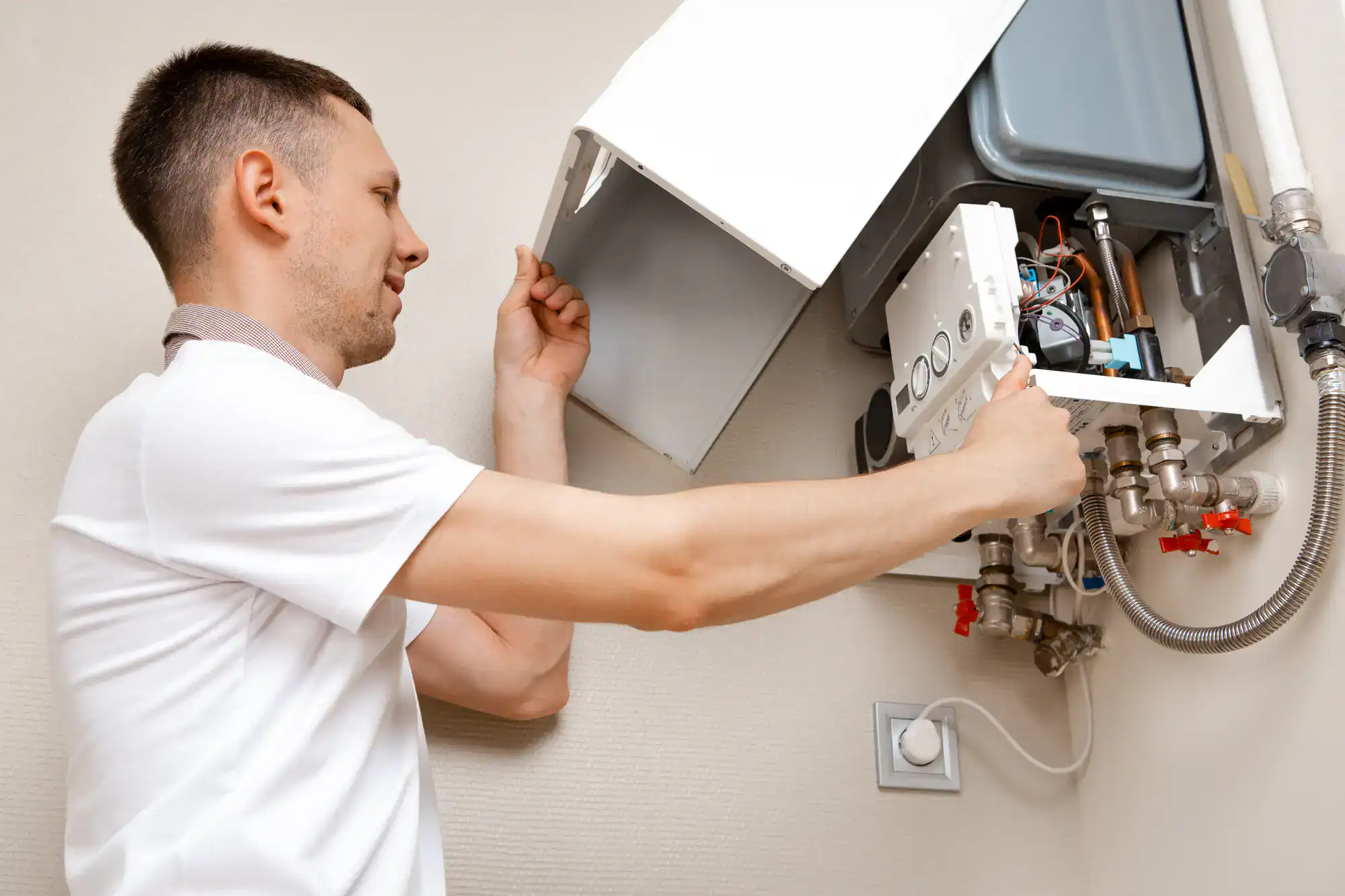
Here’s something most homeowners in Alachua County don’t know: water heaters in our area don’t last as long as the national averages suggest. The commonly cited figure is 10 to 15 years for a tank-style unit, but in Alachua County, the realistic range is closer to 8 to 12 years. That gap matters when you’re trying to decide whether a repair makes sense.
The main culprit is the water itself. Our region draws from the Floridan Aquifer System, which carries high levels of calcium and magnesium — classic hard water. Over time, those minerals settle at the bottom of your tank as sediment. That layer forces the heating element to work harder to heat the water above it, which wears the unit out faster and quietly drives up your energy costs in the process. It’s one of the reasons a water heater in a home on Newberry Road might give out years earlier than an identical unit installed somewhere with softer water.
Tankless water heaters hold up better — typically 15 to 20 years — partly because there’s no tank for sediment to accumulate in. Hybrid heat pump models fall somewhere in between, usually lasting 10 to 15 years, though the energy savings they deliver often make an earlier upgrade financially worthwhile even before the unit fails. If you’re not sure what type you have or how old it is, the manufacture date is stamped on the unit’s label, usually encoded in the serial number.
The age of your water heater is one of the first things we look at during a diagnostic call. An eight-year-old tank showing its first signs of trouble in Alachua County is a different conversation than a five-year-old unit with a single failed component — and the advice we give you will reflect that difference.
Gainesville Regional Utilities actively promotes water conservation, and it turns out that most of the habits that lower your water usage also put less strain on your water heater. That’s a practical overlap worth knowing about.
Lowering your thermostat setting to 120°F is the single most impactful change most homeowners can make. Most units ship set at 140°F, which is hotter than necessary for most households, accelerates mineral buildup, and increases the risk of scalding. Dropping it to 120°F reduces energy consumption, slows sediment accumulation, and extends the life of the tank’s lining and anode rod. You’ll also notice it on your GRU bill.
Annual tank flushing is another step that pays for itself. Sediment buildup — especially significant given Alachua County’s hard water — insulates the bottom of the tank and forces the burner or heating element to run longer to achieve the same result. Flushing that sediment out once a year keeps the unit running efficiently and is one of the most effective ways to add years to its lifespan. The other is replacing the anode rod every three to five years. That rod is what prevents the tank walls from corroding, and most homeowners have never heard of it until it’s already gone.
A few other conservation habits worth adopting: fix dripping faucets promptly (a slow drip wastes more hot water than most people realize), run dishwashers and washing machines on full loads, and consider installing low-flow showerheads — they reduce hot water demand without a noticeable change in shower pressure. If hard water is a persistent issue in your home, a water softener is worth discussing with us. It won’t just protect your water heater; it’ll extend the life of every appliance that touches your water supply.
Want live answers?
Connect with a Dee Rooter Plumbing expert for fast, friendly support.
The clearest framework for this decision is what the industry calls the 50% rule: if the cost to repair your water heater exceeds 50% of what a new unit would cost, replacement is almost always the smarter investment. In the Gainesville area, a standard tank water heater replacement typically runs between $1,000 and $3,000 installed — so if you’re looking at a repair quote above $500 to $600 on an aging unit, the math usually points toward replacement.
Age and repair history matter just as much as the numbers. A seven-year-old unit with a single failed heating element is a straightforward repair. A ten-year-old unit in its second repair in two years, drawing hard water from the Floridan Aquifer, is a different story. At that point, you’re not repairing a healthy unit — you’re extending the life of one that’s already in decline.
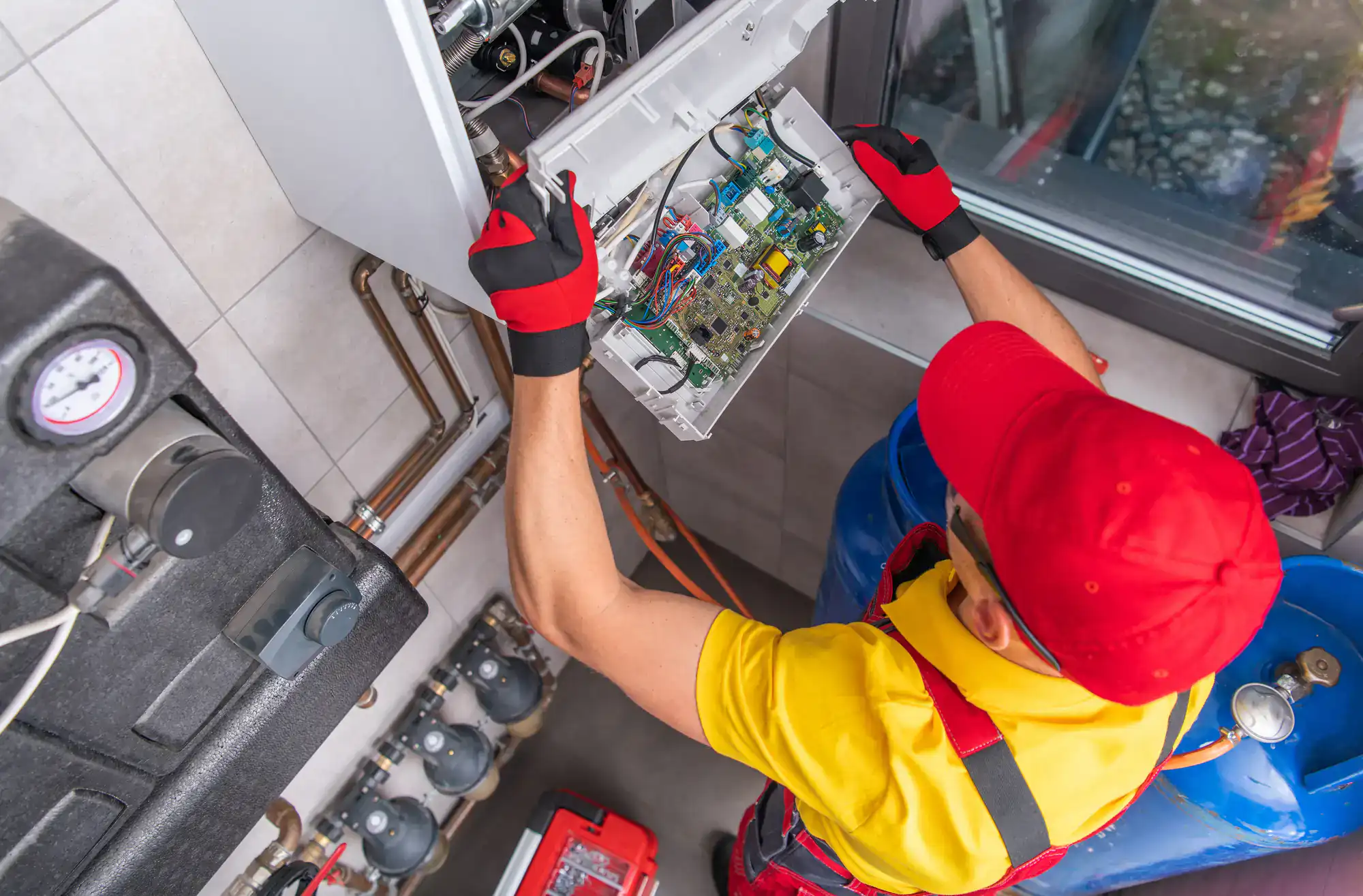
Repair is the right call more often than people assume — especially when the unit is under ten years old and the problem is isolated to a single component. Thermostats fail. Heating elements burn out. Pressure relief valves wear over time. These are normal wear-and-tear issues, and replacing them on an otherwise sound unit is no different than replacing a tire on a car that still has plenty of life left in it.
The cost case for repair is also strong when you consider what’s involved in replacement. A new water heater isn’t just the unit — it’s the labor, the permit (which Alachua County requires for water heater replacement), any code upgrades that may be triggered, and the time involved. For a unit that’s genuinely mid-life and showing a single, clearly diagnosable problem, a $200 to $400 repair is almost always the right move.
What makes this call difficult is when the diagnosis isn’t clean. If a plumber can’t point to a specific failed component and instead gives you a vague explanation, that’s worth pushing back on. A thorough diagnosis should tell you exactly what failed, why it failed, and whether it’s likely to happen again. That’s the only way to make a real decision. When we come out for a water heater repair call in Alachua County, that diagnostic conversation is where we start — before we recommend anything.
There are situations where repair genuinely isn’t the answer, and recognizing them early can save you from a much worse outcome. A water heater that fails completely — especially a tank unit — can release 40 to 80 gallons of water into your home. Insurance data puts the average water damage cost from a failed water heater at $4,444 after the deductible. That’s the cost of waiting too long.
The clearest signal that replacement is the right call is a leak from the tank body itself. Unlike leaks from fittings, valves, or connections — which are often repairable — a crack or breach in the tank wall means the structural integrity is gone. There’s no fix for that. Similarly, if you’re seeing rust-colored water at your hot water taps and the unit is more than eight years old, internal corrosion has likely progressed to a point where the tank is near the end of its useful life.
Repeated repairs are another honest indicator. If you’ve had the same unit serviced twice in the past two years and something new is failing, the unit isn’t having bad luck — it’s wearing out. The individual repairs might each seem reasonable in isolation, but the pattern tells a different story. And in Alachua County’s hard water environment, that pattern tends to accelerate as units age.
One thing worth knowing: replacing a water heater in Florida requires a permit and inspection through the Alachua County Building Division. That’s not a burden — it’s a protection. It means the installation is done to code, it won’t create problems when you sell the home, and your homeowner’s insurance won’t have grounds to dispute a claim related to the unit. We handle the permit process as part of the job. If someone offers to skip the permit to save time or money, that’s a reason to walk away.
The repair-or-replace decision doesn’t have to be a guessing game. It comes down to age, repair history, the specific problem, and an honest look at the numbers — and when those factors are laid out clearly, the right call usually becomes obvious.
What makes that conversation easier is working with someone who isn’t trying to push you toward the more expensive option. We’re a family-owned business that’s been serving Alachua County for nearly seven years, and our reputation here is built on giving people straight answers, not upselling them on jobs they don’t need.
If your water heater is giving you trouble — whether it’s a cold shower, a strange noise, or just a nagging feeling that something’s off — reach out to Dee-Rooter Plumbing, Sewer & Drain. Co. We’re available around the clock, we’ll give you an honest diagnosis and an upfront price, and we’ll tell you exactly what we’d do if it were our own home.
Summary:
Article details:
Share: