Plumbing repair costs go beyond the hourly rate. Here's what most homeowners in Alachua County don't find out until the bill arrives — or the damage is already done.
Most homeowners in Alachua County don’t start thinking about plumbing repair costs until something goes wrong. And when it does, the first instinct is usually to either grab a wrench or brace for an expensive service call. Neither reaction is wrong — but both can lead you to underestimate what the repair is actually going to cost you.
The sticker price of hiring a plumber is only part of the picture. The rest of the cost — the part that catches people off guard — lives in the damage that happens while you wait, the DIY fix that didn’t hold, and the small problem that quietly became a large one. Let’s walk through all of it.
When you hire a licensed plumber in Alachua County, you’re typically looking at an hourly rate somewhere between $75 and $175, plus a service or trip fee that usually runs $50 to $200. For most standard repairs — a leaky faucet, a clogged drain, a running toilet — the total professional cost lands somewhere between $100 and $400. That’s the number people fixate on.
What that number doesn’t include is everything that happens around the repair. Permit fees for major work can add $30 to $500 depending on scope. If water damage has already occurred, restoration averages $3,800 — and can climb past $16,000 for serious flooding. Mold, which can start growing within 24 to 48 hours of water exposure, costs an average of $2,225 to remediate. The service call starts to look like the cheap part pretty fast.
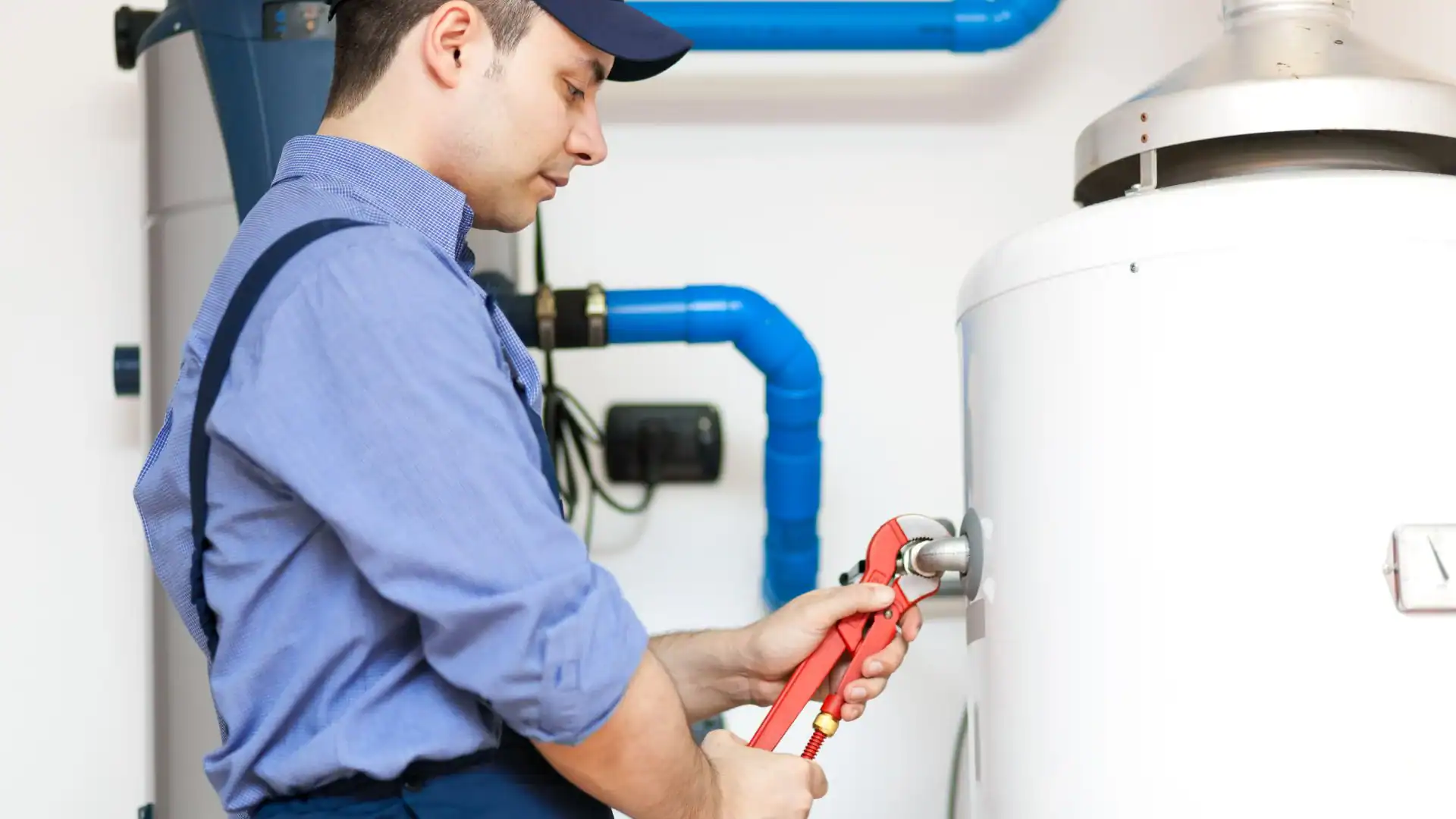
Toilet repair is one of the most common calls we get, and it’s also one of the most underestimated. A running toilet feels like a minor annoyance — the kind of thing you keep meaning to fix but never quite get around to. The problem is that a toilet running constantly can waste more than 200 gallons of water per day. At Gainesville Regional Utilities rates, that adds up to $50 to $100 or more on your monthly bill, month after month, while the repair itself might cost $100 to $200 professionally.
There’s a wide range of what can cause a toilet to run, leak, or flush poorly — a worn flapper, a failing fill valve, a cracked wax ring, a slow leak at the base. Some of these are genuinely straightforward for a handy homeowner to address. Others look simple but involve water supply connections, floor-level seals, or older hardware that doesn’t behave the way a YouTube tutorial assumes it will.
The hidden cost here isn’t always the repair itself. It’s what happens when a partial fix — one that holds for a few weeks and then fails — allows water to seep under the flooring or into the subfloor. In older Alachua County homes, particularly those in neighborhoods like University Heights or Duck Pond, flooring and subfloor materials are often decades old. Water damage in those areas doesn’t just cost money to fix — it can compromise the structural integrity of the floor itself. A $150 toilet repair that gets botched can turn into a $4,000 flooring and subfloor replacement. That’s not a hypothetical — it’s a pattern we see regularly in our work throughout the county.
The honest answer on toilet repair is this: if you know what you’re dealing with and you’re replacing a flapper or a fill valve on a modern toilet, go for it. But if the toilet is older, if the problem keeps coming back, or if you’re seeing any moisture around the base, that’s the point where calling a professional saves you money — not costs you more.
The logic behind DIY plumbing is completely understandable. You watch a 10-minute video, the fix looks manageable, and the parts cost $15 at the hardware store. What’s not to try? The problem is that the video assumes a lot — that your pipes are the right size, that the shutoff valve actually works, that the existing hardware is standard, that nothing behind the wall has shifted or corroded. In Alachua County, those assumptions fail more often than people expect.
Our region’s geology doesn’t do plumbing any favors. The sandy limestone soil and slab foundation construction common throughout Alachua County means pipes shift and settle over time. A fitting that looks secure can be under stress you can’t see. Older homes — and there are a lot of them in this market, especially in established neighborhoods and rental properties — often have galvanized pipes that are corroded from the inside out due to hard water. When you go to tighten or replace a fitting on a pipe like that, you can crack it. What started as a $15 repair becomes a pipe replacement.
Beyond the materials, there’s the insurance issue. If a DIY plumbing repair fails and causes water damage, most homeowner’s insurance policies will not cover it. That’s not a technicality buried in the fine print — it’s a standard exclusion. The average out-of-pocket cost for DIY-related water damage that insurance won’t touch is over $11,000. The tools alone — specialized wrenches, drain snakes, pipe cutters, leak detection equipment — can run $100 to $300 or more for a single job, often approaching or exceeding the cost of just calling a plumber.
None of this means DIY plumbing is always the wrong call. But it means the real comparison isn’t “parts cost versus service call.” It’s “parts plus tools plus time plus risk of damage plus no insurance coverage” versus a licensed professional with a warranty on the work. When you lay it out that way, the math often shifts.
Want live answers?
Connect with a Dee Rooter Plumbing expert for fast, friendly support.
One of the biggest reasons people hesitate to call a plumber is the fear of not knowing what they’re walking into. That’s a legitimate concern — the plumbing industry has its share of vague estimates and surprise line items. But it’s also a solvable problem if you know what to ask and what to expect.
A straightforward, honest plumbing estimate should tell you the scope of the work, the materials being used, the labor cost, and any additional fees before a single tool comes out of the truck. If a plumber won’t give you that in writing before starting, that’s your first red flag. The second is a bid that’s dramatically lower than everyone else’s — cheap bids almost always mean cheaper materials, less experienced labor, or costs that surface later.

A fair plumbing estimate should be specific enough that you could hand it to another plumber and they’d know exactly what work was proposed. That means itemized labor, itemized materials, and a clear explanation of what happens if the job turns out to be more complex than it looks — because sometimes it does, and you deserve to know that upfront rather than after the walls are open.
For context, here’s roughly what common repairs run in this market. Minor repairs like a leaky faucet or a basic drain clearing typically fall between $100 and $300. Moderate repairs — a section of pipe, a moderate leak, a toilet rebuild — usually run $300 to $800. Major work like sewer line repair, repiping, or water heater replacement starts at $800 and goes up depending on scope and access. Emergency or after-hours calls carry a premium, though the service fee itself — typically $50 to $200 — is not the same thing as a price gouge. It’s the cost of having a licensed plumber available at 2 a.m. when your pipe bursts.
What separates a trustworthy estimate from a problematic one isn’t just the number — it’s the conversation around it. A plumber who explains what they found, why the repair is needed, and what the alternatives are is giving you something you can make a real decision with. One who gives you a number and expects you to sign on the spot is not.
We offer free estimates on every job, and we give you the full picture before any work begins.
Understanding what tends to go wrong in this specific market helps you catch problems earlier — and earlier almost always means cheaper. Alachua County has a few conditions that make certain plumbing failures more common here than in other parts of Florida.
The slab foundation construction that dominates our region means underground pipes are embedded in concrete. When the sandy limestone soil shifts — and it does, especially after heavy rainfall during hurricane season — pipes can crack or separate in ways that are completely invisible from the surface. You might notice low water pressure, warm spots on your floor, or a water bill that’s quietly climbing before you ever see a drop of water. By the time the damage is visible, it’s usually already significant.
Tree root intrusion is another issue that’s particularly prevalent here. Alachua County’s subtropical climate means oak trees, magnolias, and other fast-growing species are everywhere — and their root systems are aggressive. Roots are drawn to moisture, which means they find their way into any small crack or joint in an underground sewer line. Left alone, they grow until they cause a full blockage or split the pipe. This is one of those problems that gives plenty of warning signs — slow drains throughout the house, gurgling sounds, occasional sewage odors — before it becomes a full emergency.
Hard water is a third factor specific to this area. Our water supply carries high mineral content, and over time, that mineral buildup corrodes galvanized pipes from the inside out. Homes built before the 1980s — and there are many of them throughout Alachua County — are particularly vulnerable. The corrosion is internal, so the pipe looks fine from the outside until it doesn’t. A plumber who understands this market knows to ask about the age of your plumbing, not just the visible symptoms.
We’ve been working in Alachua County for years, which means we’ve seen these patterns across hundreds of homes in the region. That local experience matters when diagnosing a problem — because a plumber who doesn’t know this area might fix the symptom and miss the cause entirely.
The clearest takeaway from all of this is that the cost of a plumbing repair is rarely just the service call. It’s the damage that accumulates while you wait, the DIY attempt that creates a bigger problem, and the small issue that turns into a water damage claim. Getting ahead of it — even by a few days — almost always saves money.
Before any repair, know what you’re dealing with. Get a written, itemized estimate. Confirm the plumber is licensed through the Florida DBPR. Ask whether the work requires a permit. And if something feels off about the estimate — either too vague or suspiciously low — trust that instinct.
If you’re in Alachua County and you want a straight answer on what a repair will actually cost, reach out to us at Dee-Rooter Plumbing, Sewer & Drain. Co. We’re family-owned, we’ve been doing this in the area for years, and we’re available around the clock. The estimate is free, the pricing is upfront, and there are no surprises once the job starts.
Summary:
Article details:
Share: