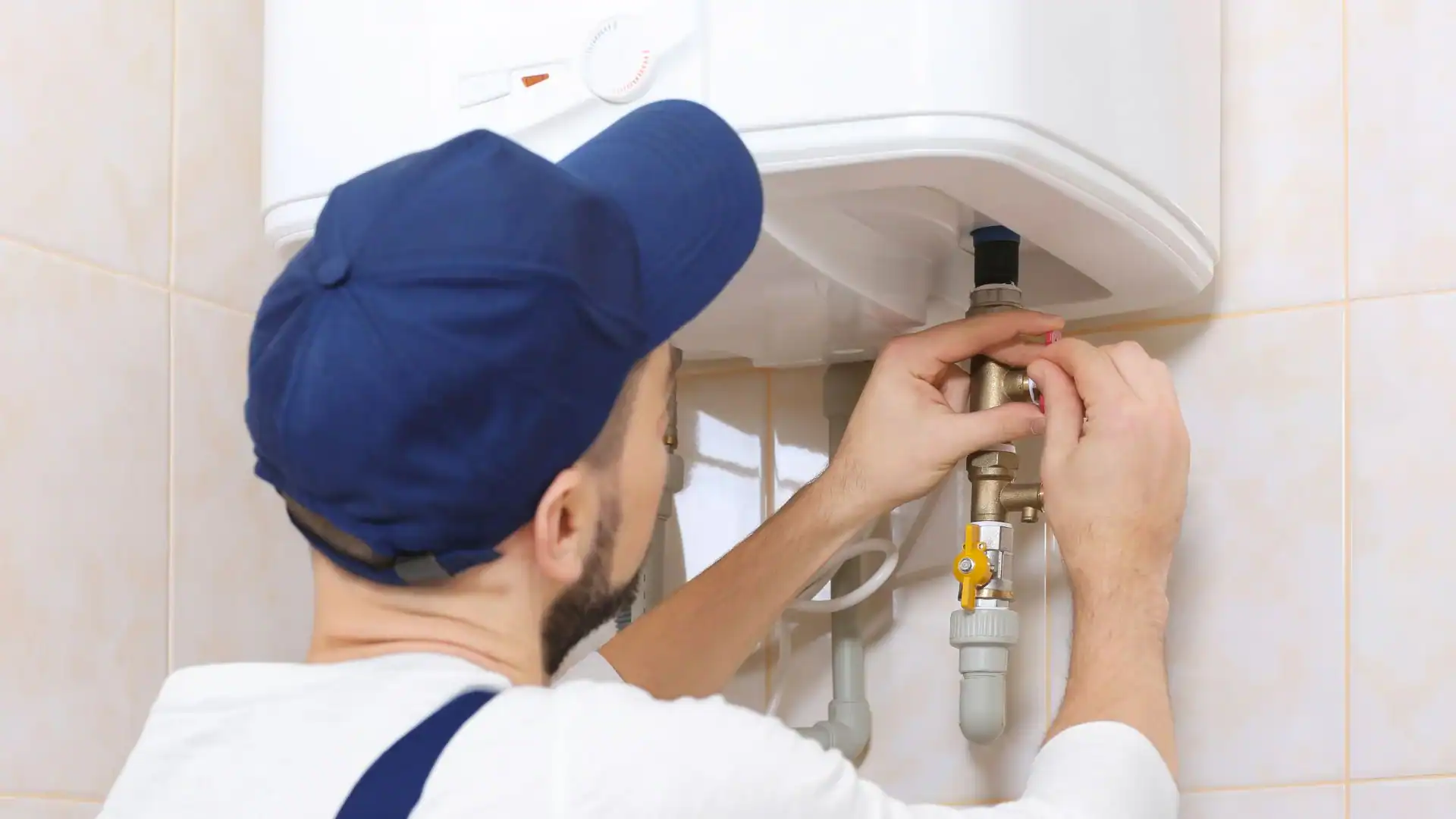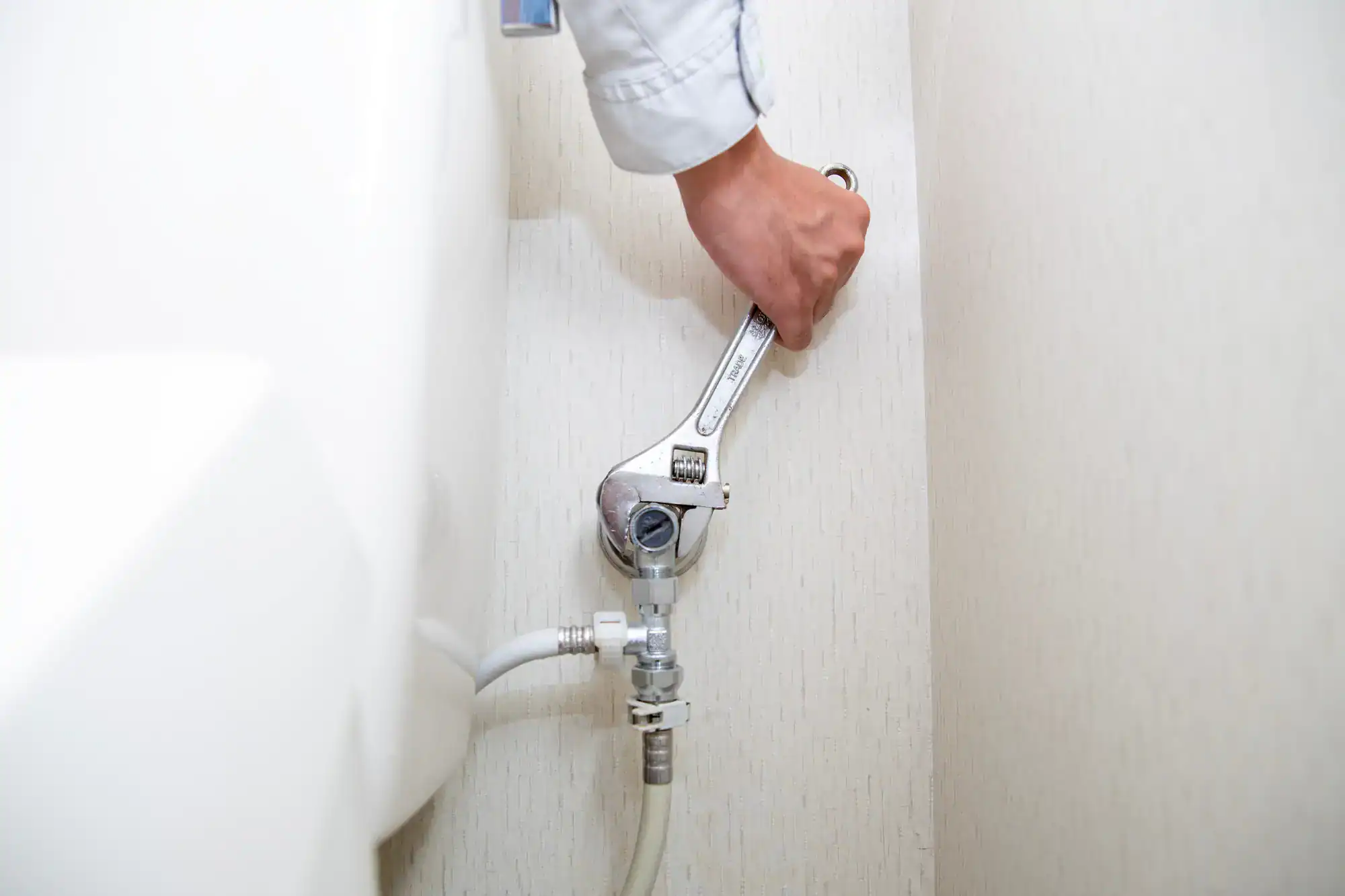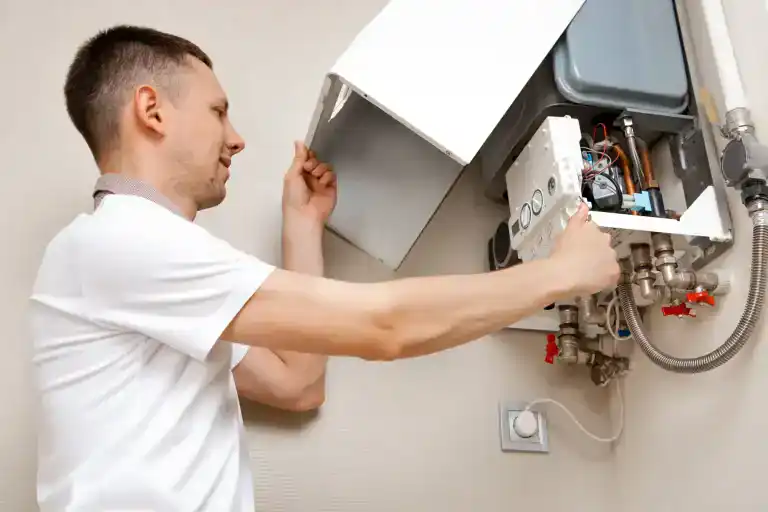
Your water heater might be costing you more than you think. Here's how to stop the waste — and when replacement makes financial sense.
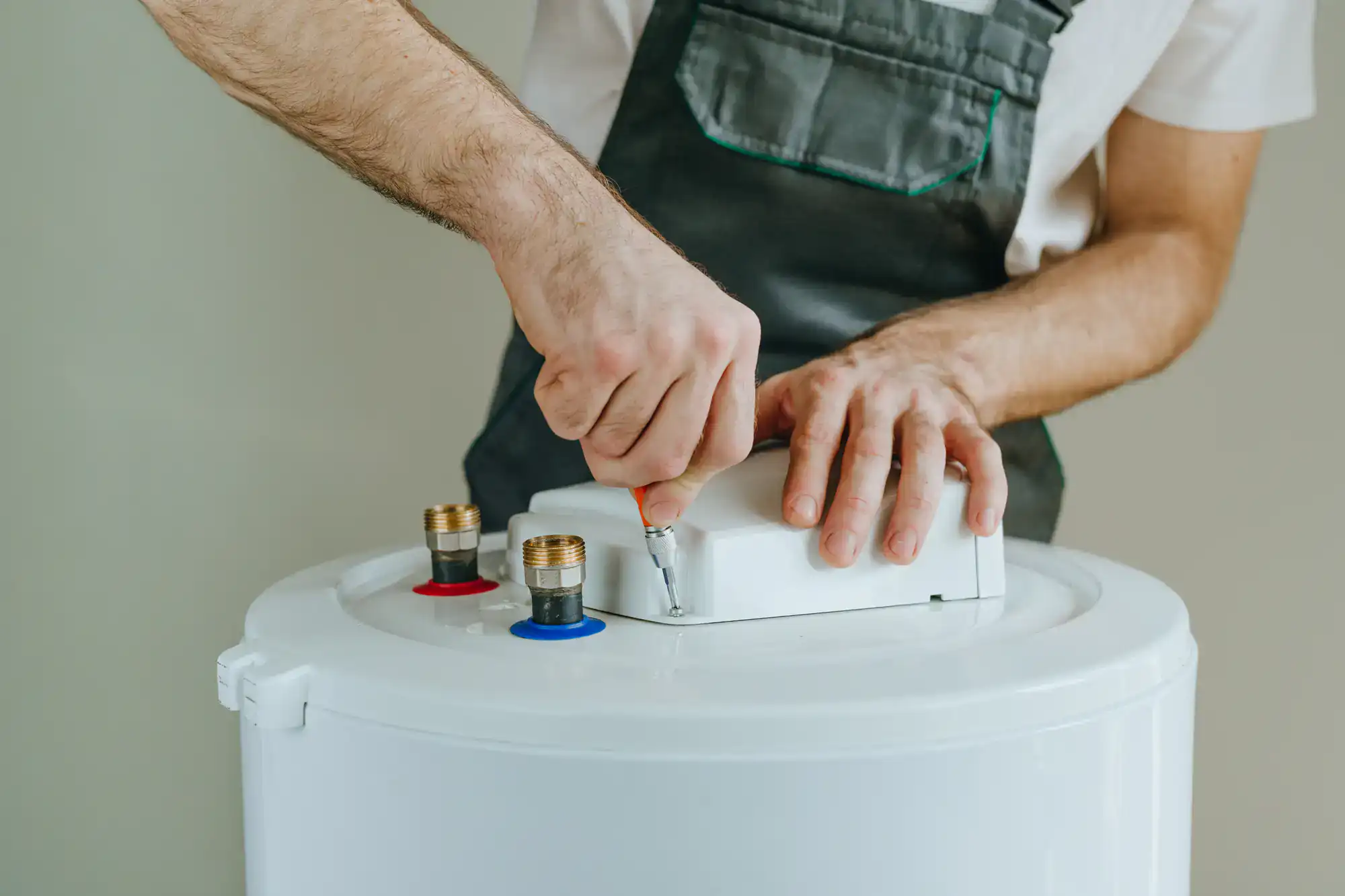
Your water heater is the second-largest energy user in your home, and most people have no idea. It just sits in a closet or garage, doing its job — until it doesn’t. But even when it’s still technically working, an aging unit can quietly add $200 to $400 a year to your energy bills without a single warning sign. If you’re a homeowner in Alachua County, there’s also a local factor most plumbing content never mentions: Gainesville’s water is hard, and that matters more than you’d think. Here’s what you can actually do about it — and when doing something means picking up the phone.
Water conservation isn’t just good for the environment — in Alachua County, it’s good for your plumbing. Every gallon you save is one less gallon your water heater has to work to heat, and one less gallon pushing mineral deposits through your pipes. Small changes in daily habits can meaningfully reduce the strain on your entire system over time.
The five most effective starting points are fixing leaks immediately, upgrading to low-flow fixtures, shortening hot water run times, insulating your pipes, and flushing your water heater annually. None of these require a contractor. But together, they can extend the life of your equipment and lower your bills in a way that actually shows up on your GRU statement.
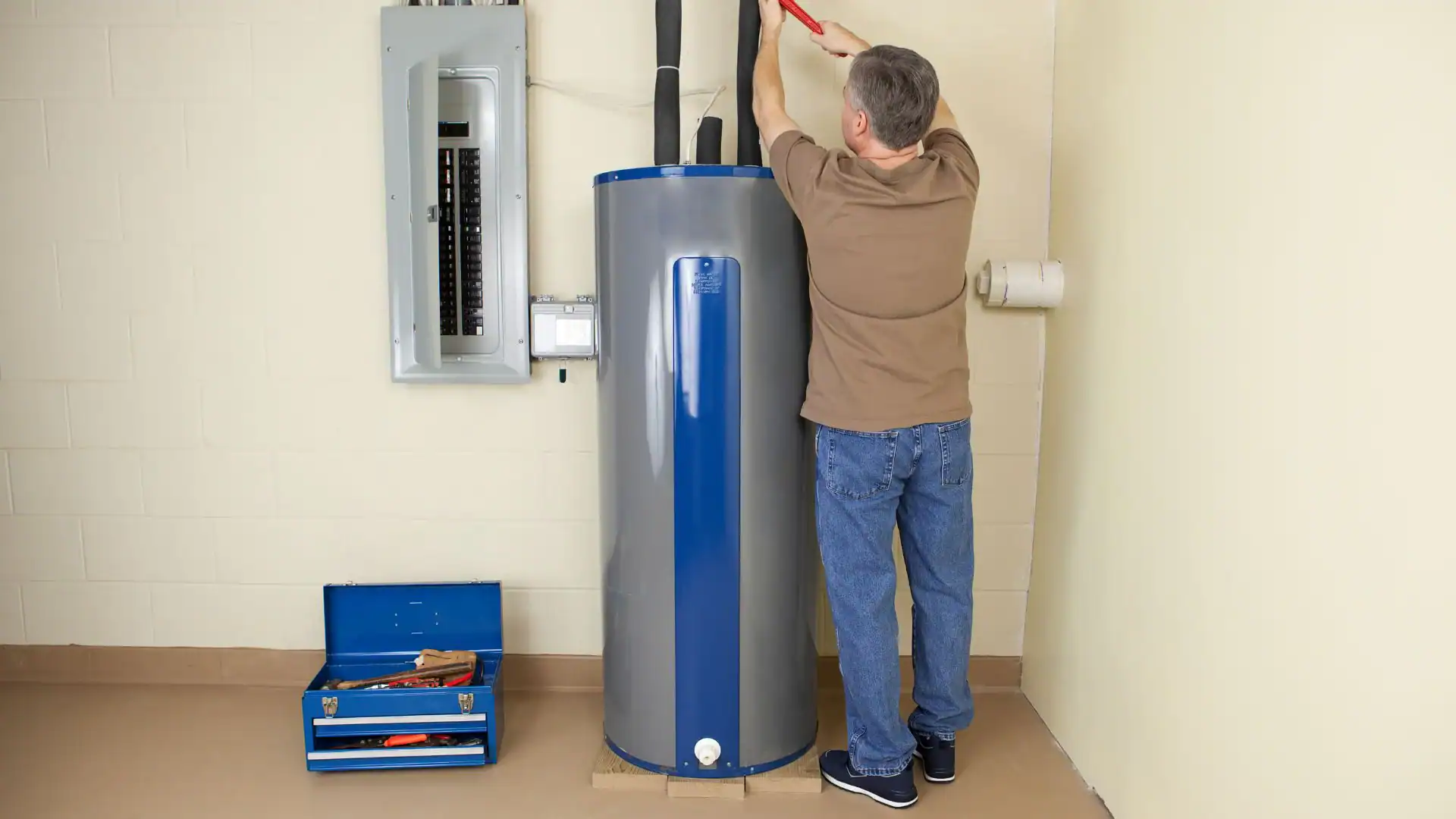
Start with leaks, because they’re the most expensive thing most homeowners ignore. A single dripping faucet can waste up to 100 gallons of water per day. Over the course of a month, that’s thousands of gallons your water heater is heating — and you’re paying for — without anyone using it. A running toilet is even worse, and it often goes undetected for months because the sound is subtle or the bathroom is rarely used.
Low-flow showerheads and WaterSense-certified faucets are the next logical step. These fixtures use at least 20% less water than standard models while maintaining normal pressure. For a family of four in an Alachua County home, that kind of reduction translates to real savings on your monthly GRU bill — and less hot water demand on a system that may already be working harder than it should.
Pipe insulation is one of the most overlooked water saving techniques, especially in older Alachua County homes. When your pipes aren’t insulated, hot water cools down as it travels from the heater to your tap. You end up running the water longer while you wait for it to warm up — wasting both water and the energy it took to heat it. Foam pipe insulation is inexpensive and easy to install on accessible pipes in a garage or utility room.
Finally, annual water heater flushing deserves a spot on every homeowner’s calendar. Sediment from Gainesville’s hard water settles at the bottom of your tank over time, acting as an insulating layer between the heating element and the water. The result is longer heating cycles, higher energy use, and a unit that wears out faster than it should. Flushing the tank once a year removes that buildup and keeps the system running at the efficiency it was designed for.
Here’s the local detail that most generic plumbing content skips entirely. Gainesville’s water comes from the Floridan Aquifer and is treated at the Murphree Water Treatment Plant by Gainesville Regional Utilities. GRU’s own published water quality data puts local water hardness at approximately 140 mg/L — or about 8.2 grains per gallon. That puts Alachua County firmly in the moderately hard to hard category.
What does that mean for your water heater? Hard water carries dissolved calcium and magnesium minerals that don’t stay dissolved when water is heated. They precipitate out and stick to the inside of your tank as scale. Over time, that scale layer forces your heater to run longer and hotter to achieve the same result. Your energy bill goes up. The anode rod — the component that prevents your tank from rusting from the inside — corrodes faster. And your unit’s effective lifespan gets pushed toward the lower end of the 8–12 year range rather than the upper end.
The most effective water saving methods for hard water homes go beyond fixture upgrades. A whole-home water softener reduces mineral content before water ever reaches your heater, dramatically slowing scale accumulation. Some Alachua County homeowners also install a whole-home filtration system alongside a softener to address taste and odor concerns related to the disinfection byproducts that GRU’s treatment process introduces — both of which are within legal limits but noticeable to sensitive households.
If a full softener isn’t in the budget right now, the annual tank flush becomes even more critical in a hard water market. Combined with a temperature setting of 120°F — which is both the safety recommendation and the point at which mineral precipitation slows — you can meaningfully extend your current unit’s life while you plan for what comes next. These methods to conserve water and protect your equipment aren’t complicated. They just require consistency.
Want live answers?
Connect with a Dee Rooter Plumbing expert for fast, friendly support.
Conservation habits buy you time. But they don’t buy you forever. If your water heater is approaching or past the 10-year mark, running less efficiently despite maintenance, or showing signs of rust, inconsistent temperature, or pooling water near the base — you’re likely spending more to keep it running than a replacement would cost you over the next few years.
Upgrading from a low-efficiency unit to a modern high-efficiency model can reduce your water heating costs by 15–25% annually. A tankless upgrade can push that to 20–40%. For most Alachua County homeowners, that math starts to look very different from the “run it till it dies” approach — especially when you factor in the risk of an emergency failure causing water damage on top of the replacement cost.
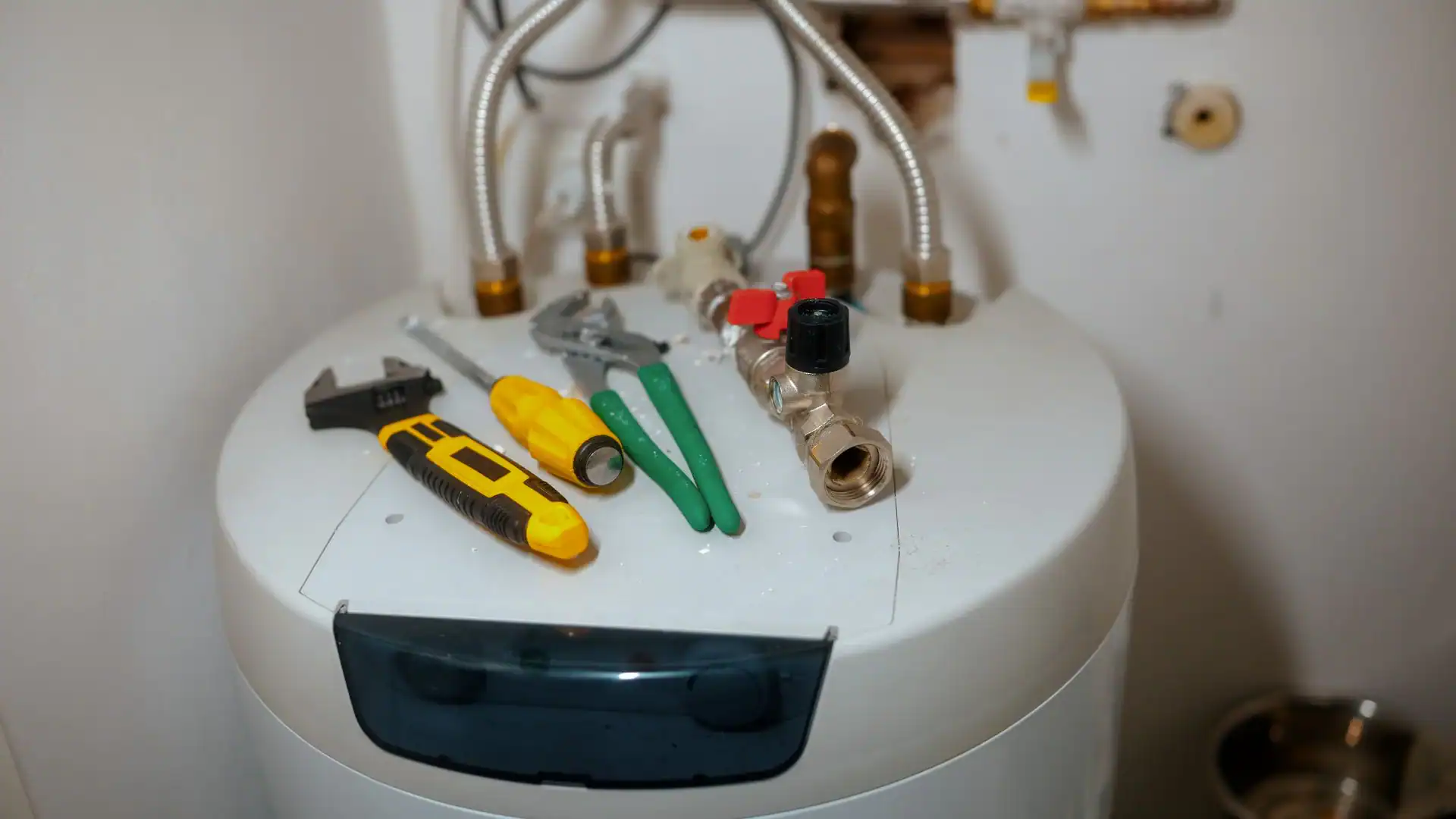
The honest answer is: it depends on what you’re replacing it with and what your home’s current setup requires. For a standard tank-to-tank replacement in Alachua County, you’re typically looking at $800 to $2,400 all-in, depending on tank size, unit efficiency, and whether any code upgrades are needed. Local labor generally runs $300 to $600 for a straightforward job.
Tankless systems start higher — the units themselves begin around $1,400, and installation labor runs $600 to $1,900 because of the additional gas line, electrical, and venting work involved. That said, the Inflation Reduction Act currently offers up to $2,000 in federal tax credits for qualifying heat pump water heater upgrades, which can significantly change the calculus for homeowners who are eligible.
One cost that surprises people in Florida: permits. Most water heater replacements in Alachua County require a permit from the local building department, and that typically adds $150 to $300 to the project. This isn’t optional, and it’s not a contractor trying to pad the bill. Permitted work protects you — it ensures the installation is inspected, code-compliant, and won’t create problems with your homeowner’s insurance or at resale. We handle all of this as part of the job. If someone quotes you a water heater replacement and doesn’t mention permits, that’s worth asking about directly.
Older homes in Alachua County sometimes require additional code upgrades during replacement — expansion tanks, updated pressure relief valve piping, or improved venting. These add cost, but they also bring the system up to current Florida Building Code standards, which matters for both safety and insurability. Getting a clear, itemized estimate before any work begins is the best way to avoid surprises.
There’s a point where the gap between what you can handle yourself and what needs a licensed plumber becomes pretty clear. Fixing a dripping faucet or swapping a showerhead — that’s well within most homeowners’ reach. But when you’re noticing inconsistent water temperatures, a water heater that takes noticeably longer to recover between uses, discolored water coming from the hot tap, or any moisture around the base of the unit, those aren’t maintenance issues. Those are replacement conversations.
The same applies when your conservation efforts stop moving the needle on your utility bills. If you’ve flushed the tank, adjusted the thermostat, fixed the leaks, and your GRU bill still looks the same or worse — your water heater may simply be too far gone to respond to maintenance. At that stage, keeping it running costs more than replacing it.
For Alachua County landlords and property managers, this timeline accelerates. Student rental properties in neighborhoods near UF often have older units running at high demand for nine months of the year. Deferred maintenance on a water heater in a multi-tenant property isn’t just an efficiency issue — it’s a tenant relations issue and a liability. A proactive replacement before the August move-in rush is almost always cheaper than an emergency call during it.
Emergency water heater replacement is a real thing, and it happens at the worst possible times — late at night, on a holiday weekend, during a cold snap in January when Gainesville temperatures dip into the 30s. The job itself takes 2 to 4 hours for a standard tank replacement. The damage from a failed unit that floods a utility room or garage can take considerably longer and cost considerably more to address. If your unit is old and showing signs of wear, the proactive conversation is the one worth having now.
The five water saving techniques covered here — fixing leaks, upgrading fixtures, insulating pipes, flushing your tank annually, and addressing hard water at the source — are genuinely effective. They reduce utility costs, ease the load on your plumbing system, and extend the life of equipment you’ve already paid for. In a hard water market like Alachua County, where GRU’s 8.2 grains per gallon is a permanent feature of the local water supply, these habits matter more than they would in a softer-water area.
But conservation has a ceiling. When your water heater is aging, inefficient, or starting to show real warning signs, the most money-saving move is often a well-timed replacement — not another year of hoping it holds on.
If you’re not sure which side of that line you’re on, that’s exactly the kind of question worth asking us. We’ve been serving Gainesville and Alachua County for over six years — family-owned, available 24/7, and straightforward about what your situation actually calls for. We’re here to help you make the right call for your home and your budget.
Summary:
Share: