Florida's water and climate are harder on water heaters than most homeowners realize. Here's what to expect in Alachua County — and when to act before it becomes an emergency.
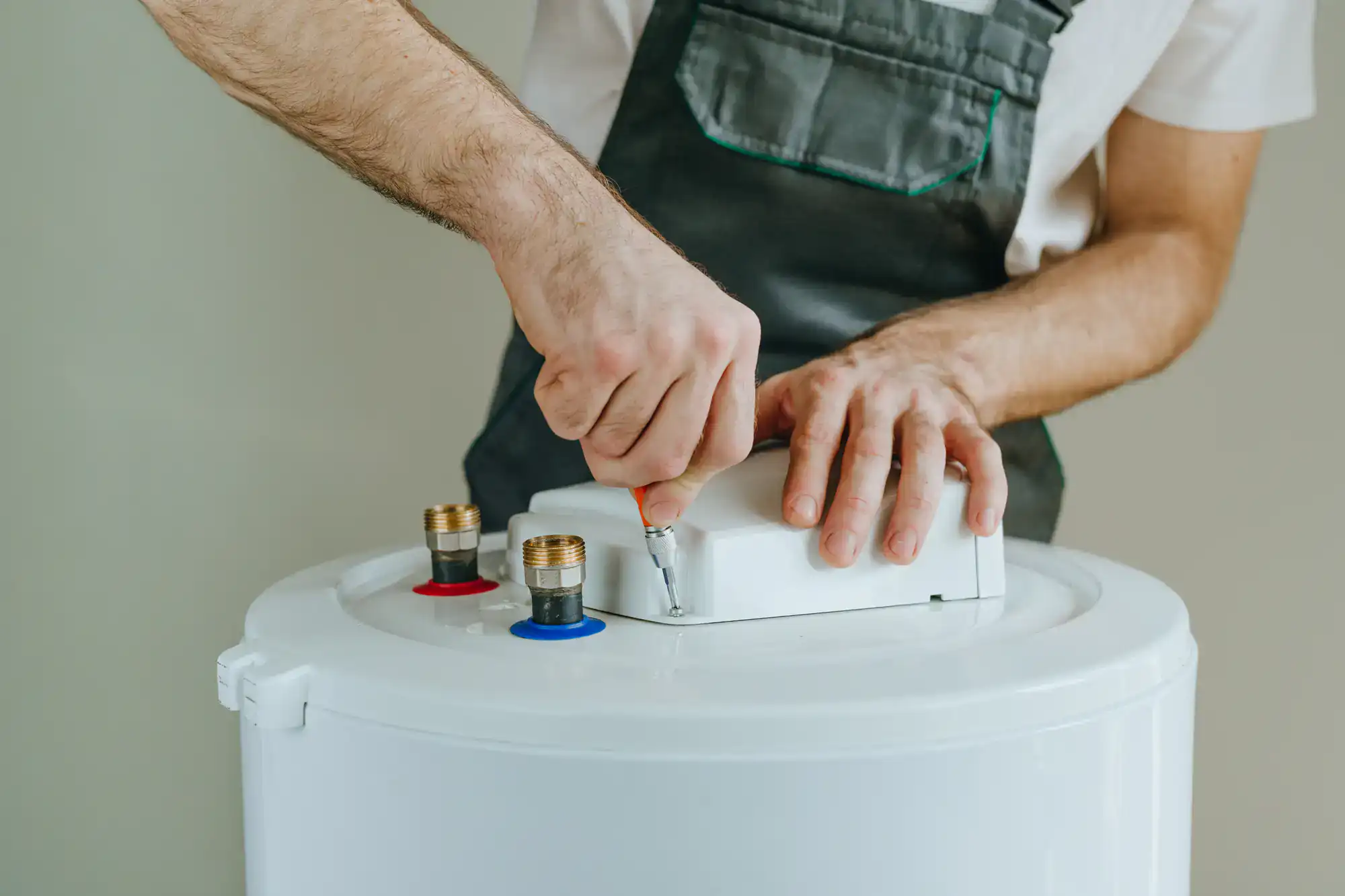
Most people don’t think about their water heater until the morning it stops working. By then, the decision gets made for you — usually at the worst possible time, on someone else’s schedule. If you’re here because you heard a rumbling noise, noticed rusty water, or just realized your unit is pushing ten years old, you’re asking the right questions at the right time.
What you’ll find here is a straight answer to what your water heater’s useful life actually looks like in Alachua County — not a national average that doesn’t account for your water, your climate, or your home. We’ll cover the different system types, what shortens their lives here specifically, and how to know when it’s time to act.
Nationally, a traditional tank water heater is expected to last somewhere between 8 and 12 years. In Alachua County, that range tends to compress toward the lower end — and there’s a clear reason why.
Gainesville Regional Utilities draws its water supply from the Floridan Aquifer, one of the largest freshwater aquifer systems in the world. That water is treated at the Murphree Water Treatment Plant before it reaches your home, but it still carries a mineral profile — calcium and magnesium — that accumulates inside your tank over time. That sediment layer sits at the bottom of the tank, insulates the heating element, and forces it to work harder than it should. The result is higher energy use, more wear, and a unit that may reach the end of its useful life at 8 or 9 years rather than 12. Annual flushing can slow that process considerably, but most tanks in this area never get it.
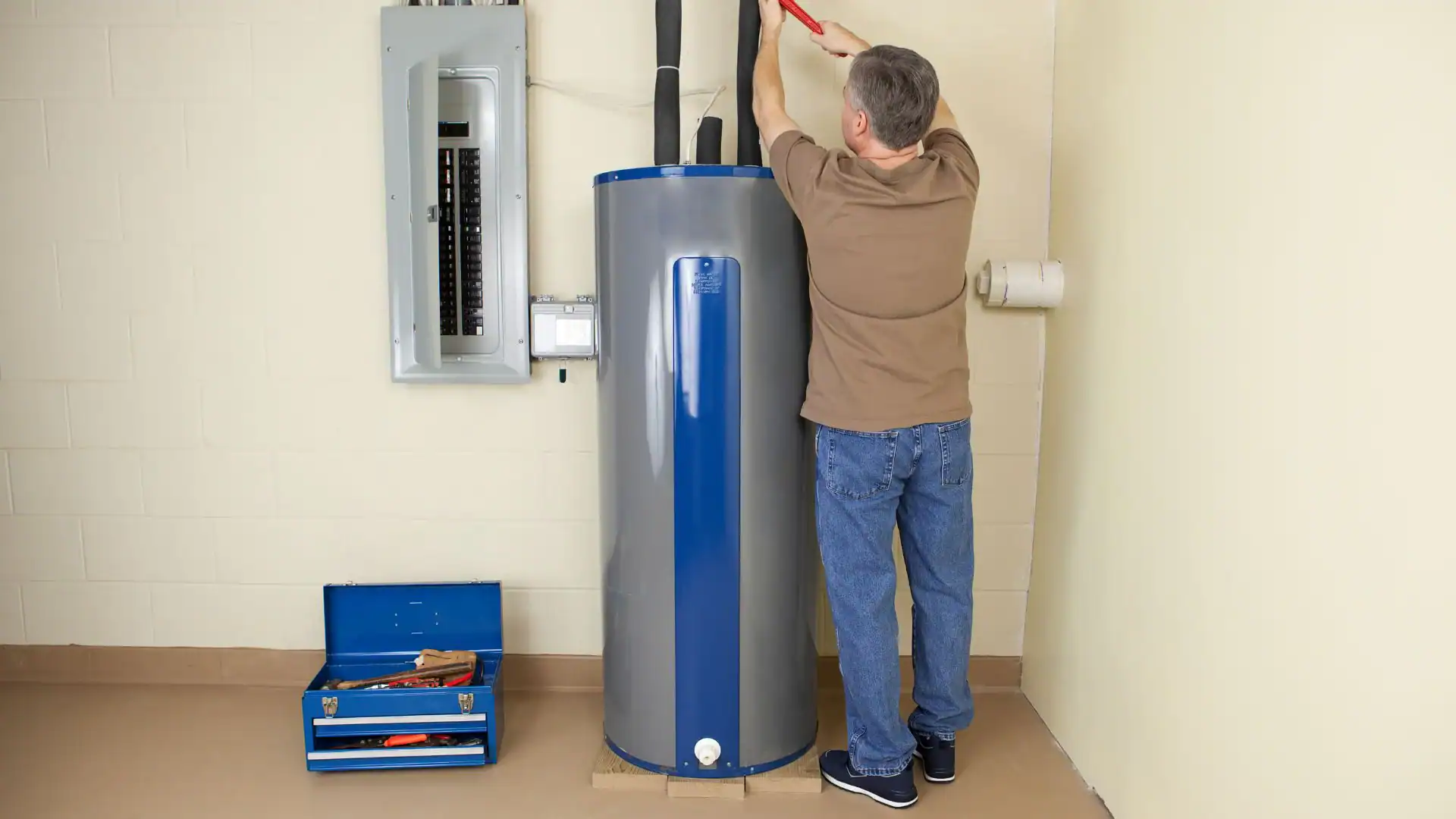
It’s a question worth asking before you replace, not after. Gas and electric tank water heaters don’t age at the same rate, and the difference matters when you’re deciding what to put in next.
Electric tank water heaters generally last 10 to 15 years under normal conditions. They don’t deal with combustion byproducts, which means their internal components tend to hold up a bit longer. Gas tank units, by contrast, typically fall in the 8 to 12 year range. The combustion process introduces more stress on internal parts over time, which is part of why they tend to wear faster.
That said, the gap narrows considerably when you factor in Alachua County’s water quality. Sediment buildup from the Floridan Aquifer is hard on both types. An electric unit that might last 14 years in a low-mineral-content water area could be showing serious wear at 10 or 11 years here if it’s never been flushed or had its anode rod inspected. The anode rod — a sacrificial metal component inside the tank — is what prevents the tank lining from corroding. Most manufacturers recommend inspecting it every three years and replacing it every three to five. Most homeowners have never heard of it.
For Alachua County residents on natural gas, it’s also worth understanding that gas tankless systems — often called waterless heaters or on-demand water heaters — carry a significantly longer life expectancy: 20 years or more, with easily replaceable parts that can extend that further. If you’re already replacing a gas tank unit, the conversation about whether to replace like-for-like or upgrade to tankless is one worth having before you commit.
The honest answer to which type lasts longer in this market isn’t just about the fuel source. It’s about the maintenance history, the water chemistry it’s been exposed to, and whether anyone has been paying attention to it along the way. We’ve seen 9-year-old electric units in rough shape and 13-year-old gas units still running fine — because someone flushed them every year and caught the anode rod before it failed completely.
Water heaters rarely fail without warning. The problem is that most of the early signs are easy to dismiss or explain away — until they aren’t.
The rumbling or popping sound you might hear from an aging tank is sediment at work. As that mineral layer builds up and the heating element forces heat through it, the water trapped underneath creates noise. It’s not dangerous on its own, but it’s a signal that the unit is working harder than it should and that the sediment layer has had time to accumulate. In Alachua County’s water conditions, if you’re hearing that sound from a unit that’s 8 years or older, it’s time to have someone take a look.
Rusty or discolored hot water is a different kind of warning — one that usually means the tank lining is compromised and corrosion has started. Once that happens, no amount of maintenance reverses it. The tank needs to go. Similarly, visible rust around the base of the unit, moisture pooling underneath it, or a pressure relief valve that’s dripping are all signs that the unit is past the point of productive repair.
Inconsistent water temperature — where you’re getting hot water one day and lukewarm the next, or running out faster than you used to — can point to a failing heating element, a thermostat issue, or a sediment layer so thick it’s dramatically reduced the tank’s effective capacity. Any of these can sometimes be repaired, but the calculus changes when the unit is already past the 8 to 10 year mark. A repair that costs more than half the price of a new unit rarely makes financial sense on an aging system. That’s the threshold we use when we’re being straight with a homeowner about what their options actually look like.
One thing worth knowing: you can often find out exactly how old your water heater is by reading the serial number on the label. Most major brands encode the manufacture date in the first few characters. If you’re not sure how to read yours, we can tell you in about 30 seconds.
Want live answers?
Connect with a Dee Rooter Plumbing expert for fast, friendly support.
Tankless water heaters — sometimes called waterless heaters or on-demand systems — operate on a fundamentally different principle. Instead of storing 40 to 80 gallons of hot water around the clock, they heat water as it flows through the unit. No stored water means no standby heat loss, which is the energy spent keeping a full tank hot even when no one in the house needs it.
From a lifespan standpoint, the difference is significant. A properly maintained tankless unit typically lasts 15 to 20 years, and the U.S. Department of Energy notes that their parts are generally easier to replace, meaning a well-maintained unit can push well beyond that range. Compared to a tank unit that may need replacement every 8 to 10 years in this market, that’s a meaningful difference over the life of a home.
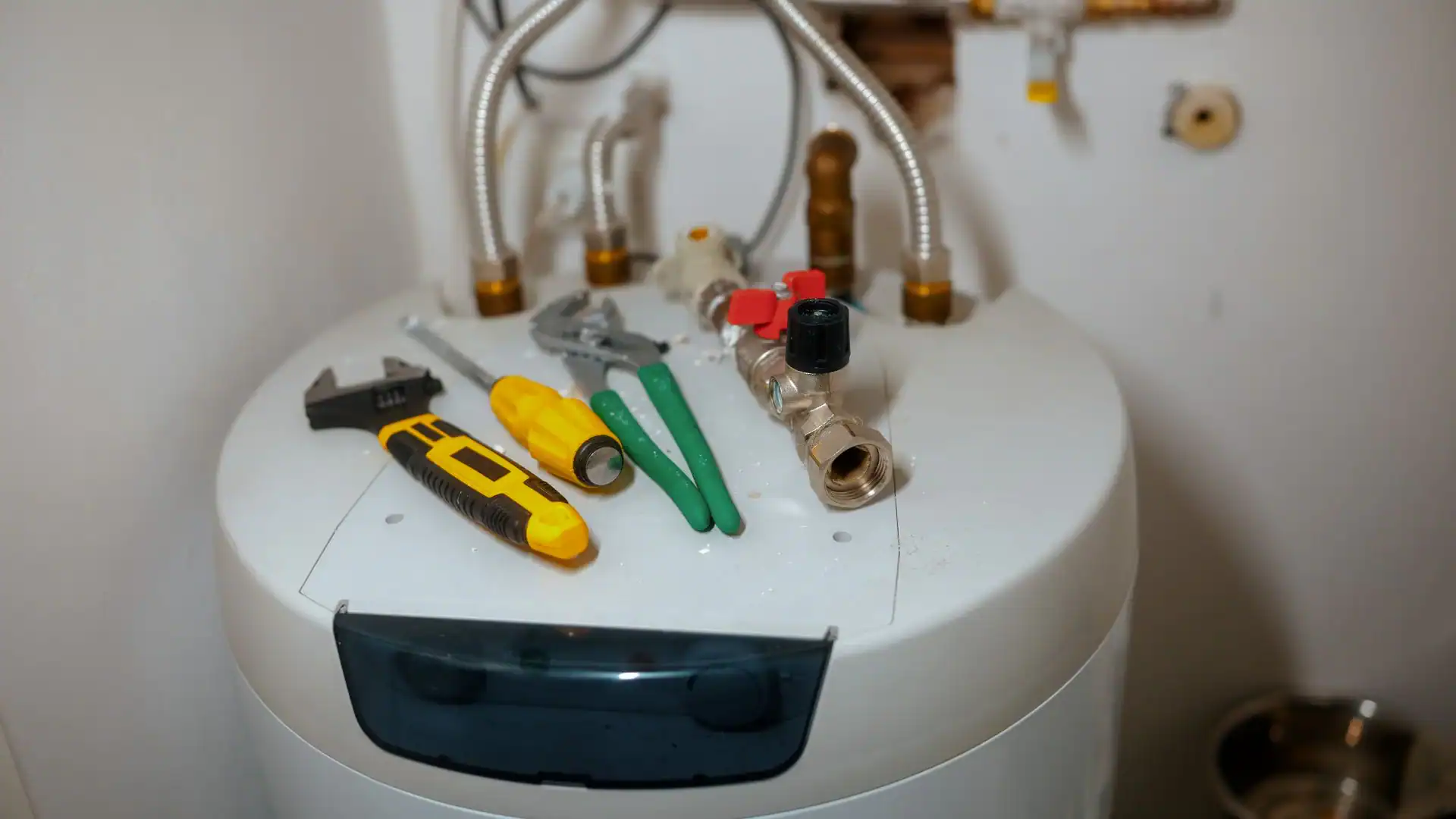
For most homeowners in Alachua County, yes — especially if you’re already facing a tank replacement. Tankless systems last significantly longer, eliminate standby heat loss, and actually perform efficiently in Florida’s climate because the incoming groundwater temperature is already warmer than in northern states. The upfront cost is higher, but the total cost of ownership over 20 years often tells a different story.
The Department of Energy estimates that tankless systems can be 24 to 34 percent more energy-efficient than storage water heaters for households using 41 gallons or less of hot water per day. For higher-use households, the efficiency advantage is smaller but still present — around 8 to 14 percent.
Here’s something that often surprises Alachua County homeowners: tankless systems actually perform better in Florida than in colder climates. The reason is incoming water temperature. In northern states, groundwater coming into the unit might be 40 to 50 degrees Fahrenheit, requiring a significant temperature rise to reach a comfortable shower temperature. In our area, groundwater from the Floridan Aquifer arrives at roughly 65 to 75 degrees year-round. Less temperature rise required means the unit works less hard to deliver the same result — which translates to better efficiency and less strain on the heat exchanger.
One practical note for anyone managing rental property near the University of Florida: waterless heaters are particularly well-suited to that situation. Longer lifespan, lower operating costs, and no standing tank to corrode or leak between tenant turnovers. The reduced emergency call risk alone is worth considering.
The single biggest factor in how long any water heater lasts — tank or tankless — is whether it’s been maintained. That sounds obvious, but most units in Alachua County go years without any attention at all, and the water conditions here make that more costly than it would be in other markets.
For a traditional tank unit, the two most impactful maintenance tasks are annual sediment flushing and anode rod inspection. Flushing removes the mineral buildup that the Floridan Aquifer’s water deposits inside the tank over time — the same buildup that creates that rumbling sound and forces the heating element to work harder. Done consistently, it can add two to three years to a tank’s useful life. The anode rod, as mentioned earlier, is what prevents the tank interior from corroding. When it’s depleted and not replaced, the tank itself becomes the sacrificial element — and once corrosion sets in, the unit’s days are numbered. Inspecting it every three years and replacing it when needed is one of the highest-return maintenance investments a homeowner can make.
For tankless systems, the equivalent is annual descaling of the heat exchanger. Hard water deposits can build up inside the heat exchanger over time, reducing efficiency and eventually causing damage. In Alachua County’s water conditions, annual descaling is a reasonable maintenance interval. It’s not a complicated job, but it does require flushing the system with a descaling solution — something we handle as part of a routine service call.
What we’ve found after years of working in Alachua County and the surrounding communities is that the homeowners who get the most out of their water heaters are the ones who treat it like any other major appliance — not something to ignore until it fails. A water heater that’s been properly cared for doesn’t just last longer; it gives you time to plan. You get to choose when you replace it, what you replace it with, and who does the work. That’s a very different situation than a tank that fails on a Saturday night and leaves you making emergency decisions under pressure.
Testing the temperature-pressure relief valve periodically is another task worth mentioning. It’s a safety component, not just a maintenance one — if it fails, pressure can build inside the tank without a release mechanism. A functioning TPR valve is a basic requirement, and it’s one of the things we check whenever we’re on a service call.
If your water heater is approaching 8 to 10 years old in this area, it’s worth a conversation — not necessarily a replacement, but an honest assessment of where things stand. The mineral content in Alachua County’s water supply works against tank units quietly and consistently, and most homeowners don’t find out how far along the damage is until something fails.
The best outcome is one where you make the decision on your own schedule, with time to compare options and choose what actually makes sense for your home and budget. The worst outcome is a flooded utility room on a Sunday night with no hot water and no plan.
We’ve been doing this work in Alachua County for going on seven years, and the approach has always been the same: give people a straight answer and let them decide. If your unit has life left in it, we’ll tell you. If it doesn’t, we’ll explain why and show you what your options look like. We’re available seven days a week — including same-day service — and the estimate is free.
—
**FAQ**
**How long does a water heater lifespan typically last?** Most traditional tank water heaters last between 8 and 12 years under normal conditions. Tankless systems — sometimes called waterless heaters — typically last 15 to 20 years or more with proper maintenance. In Alachua County specifically, tank units often fall toward the lower end of that range because of the mineral content in water from the Floridan Aquifer, which accelerates sediment buildup and wear.
**What affects hot water tank lifespan in Florida?** In Alachua County specifically, the biggest factor is water quality. GRU draws from the Floridan Aquifer, and the mineral content in that water — calcium and magnesium — creates sediment inside tank heaters over time. That sediment forces the heating element to work harder, accelerates wear, and can shorten a tank’s useful life by two to three years compared to areas with softer water. Year-round usage and high ambient humidity also play a role.
**How can I tell if my water heater needs to be replaced?** Rumbling or popping sounds, rusty hot water, visible corrosion around the base, water pooling underneath the unit, and inconsistent temperatures are all signs worth taking seriously. Age is the most reliable indicator — once a tank unit in this market crosses the 8 to 10 year mark, any significant repair cost should be weighed against the cost of replacement.
**Is a waterless heater a good fit for Gainesville and Alachua County homes?** For most homeowners in Alachua County, yes — especially if you’re already facing a tank replacement. Waterless heaters last significantly longer, eliminate standby heat loss, and actually perform efficiently in Florida’s climate because the incoming groundwater temperature is already warmer than in northern states. The upfront cost is higher, but the total cost of ownership over 20 years often tells a different story. We work with homeowners throughout Alachua County to evaluate whether a tankless system makes sense for their specific situation.
Summary:
Article details:
Share: