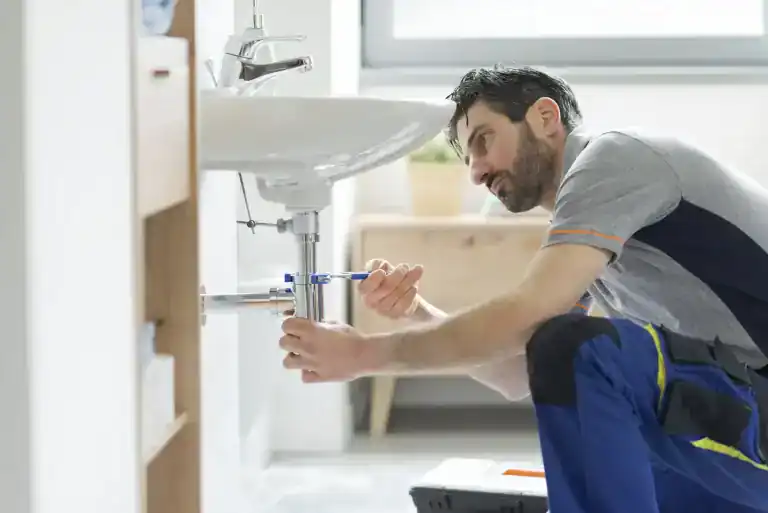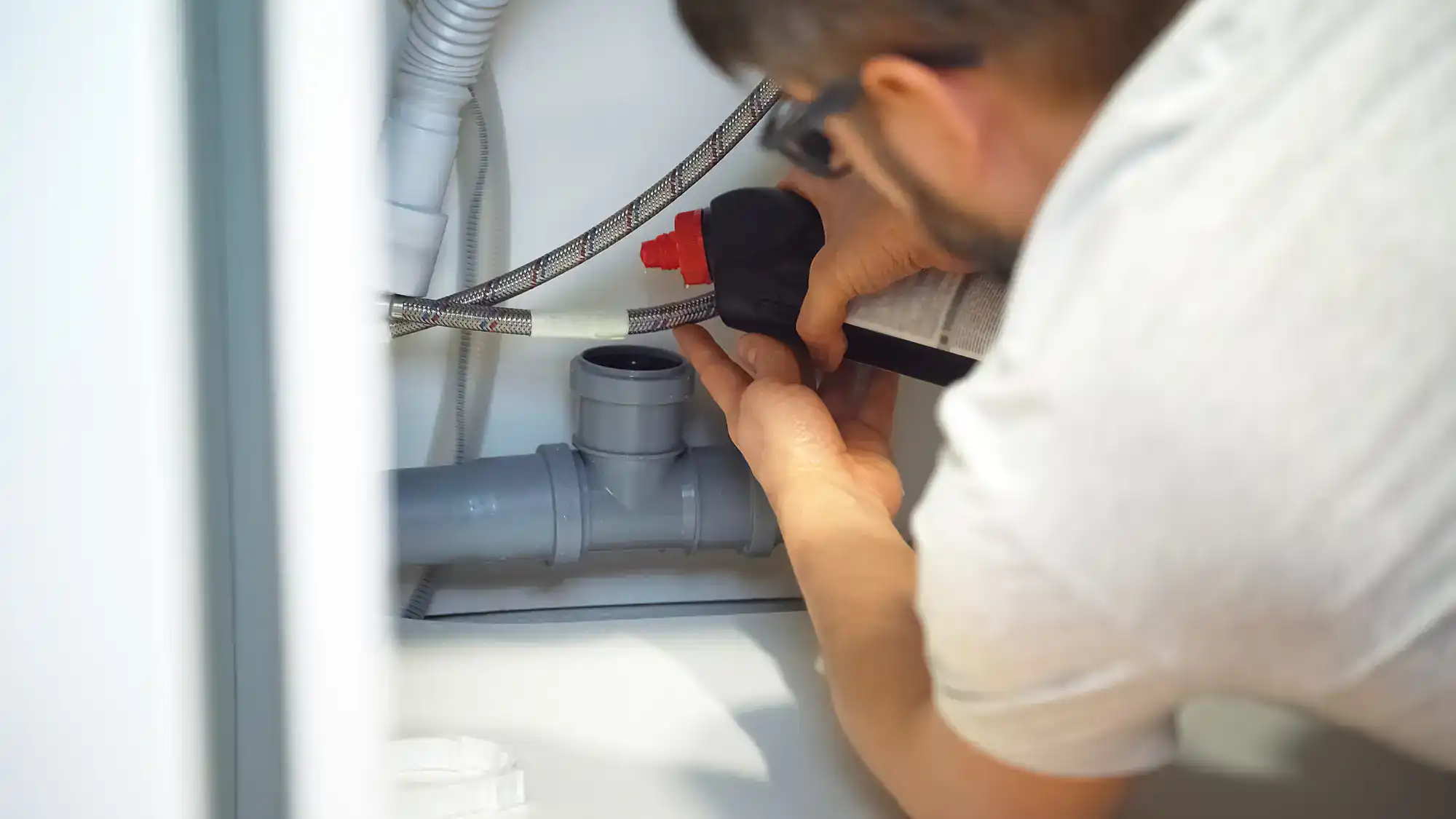
Wondering if you should find that leak yourself or call a professional? Here's what the real costs look like — and what DIY gets wrong most of the time.
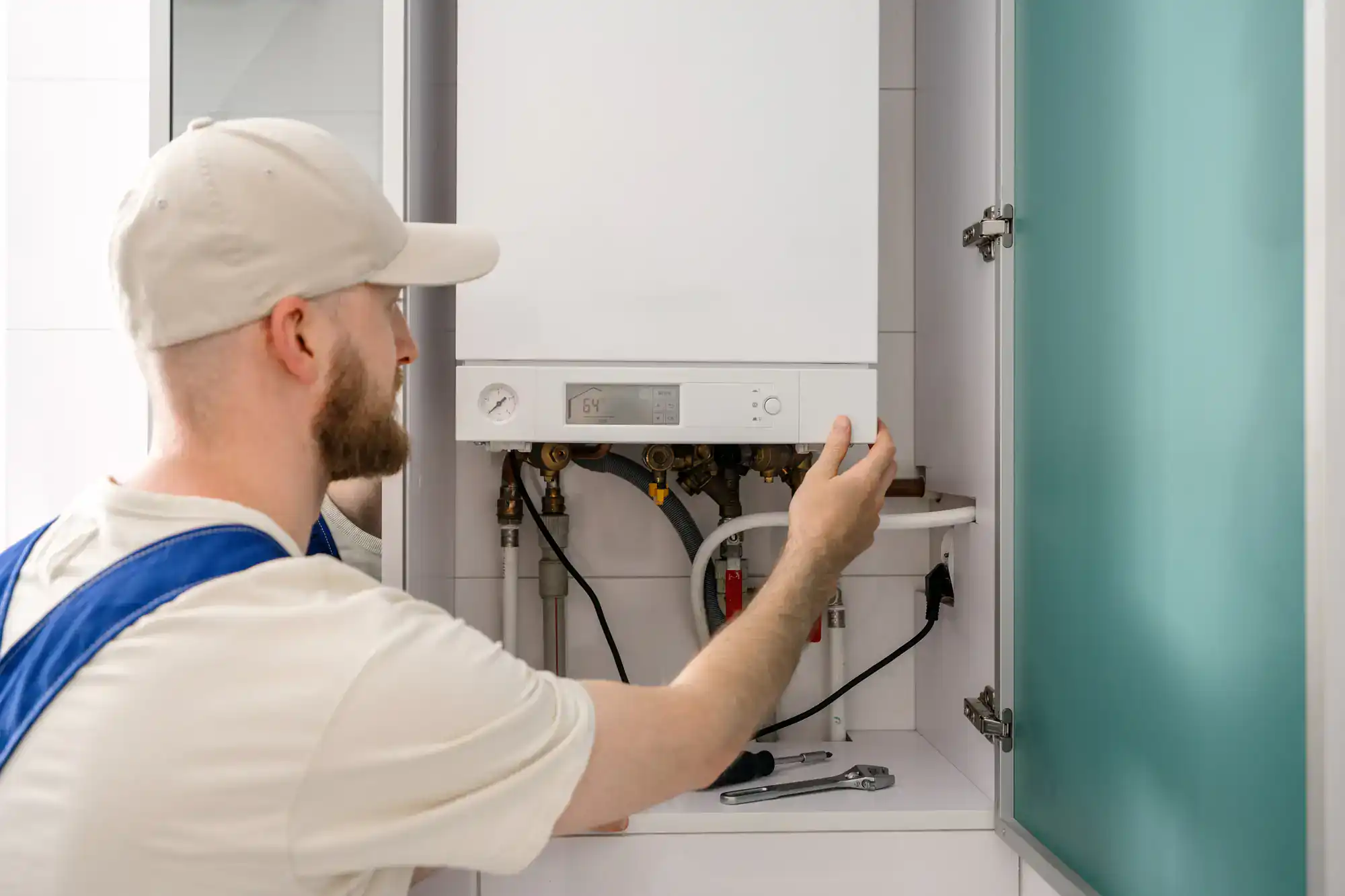
You noticed something. Maybe your water bill jumped without explanation. Maybe you hear water running when everything’s off. Or there’s a soft spot on the floor you’ve been ignoring for two weeks. Whatever it is, something doesn’t feel right — and now you’re trying to figure out whether to grab a flashlight and investigate yourself or pick up the phone and call a plumber.
That’s exactly what this page is for. We’ll walk you through what leak detection actually costs, what we do differently that you can’t replicate with a YouTube tutorial, and the specific mistakes that turn a manageable problem into a very expensive one.
A standard professional leak detection visit in Alachua County typically runs between $175 and $350. More complex jobs — hidden slab leaks, underground line failures, leaks requiring camera inspection or pressure testing — can push that number to $500 or higher. On the low end, simple and accessible leaks might come in around $75 to $150. The range is wide because the work itself varies significantly depending on where the leak is and what it takes to find it.
What you’re paying for isn’t just someone’s time. It’s the equipment, the training to use it correctly, and the accuracy that comes from doing this work every day. We’re not guessing — we’re narrowing down a precise location before anyone opens a wall or cuts into a floor. That precision is what controls the total cost of the repair that follows.
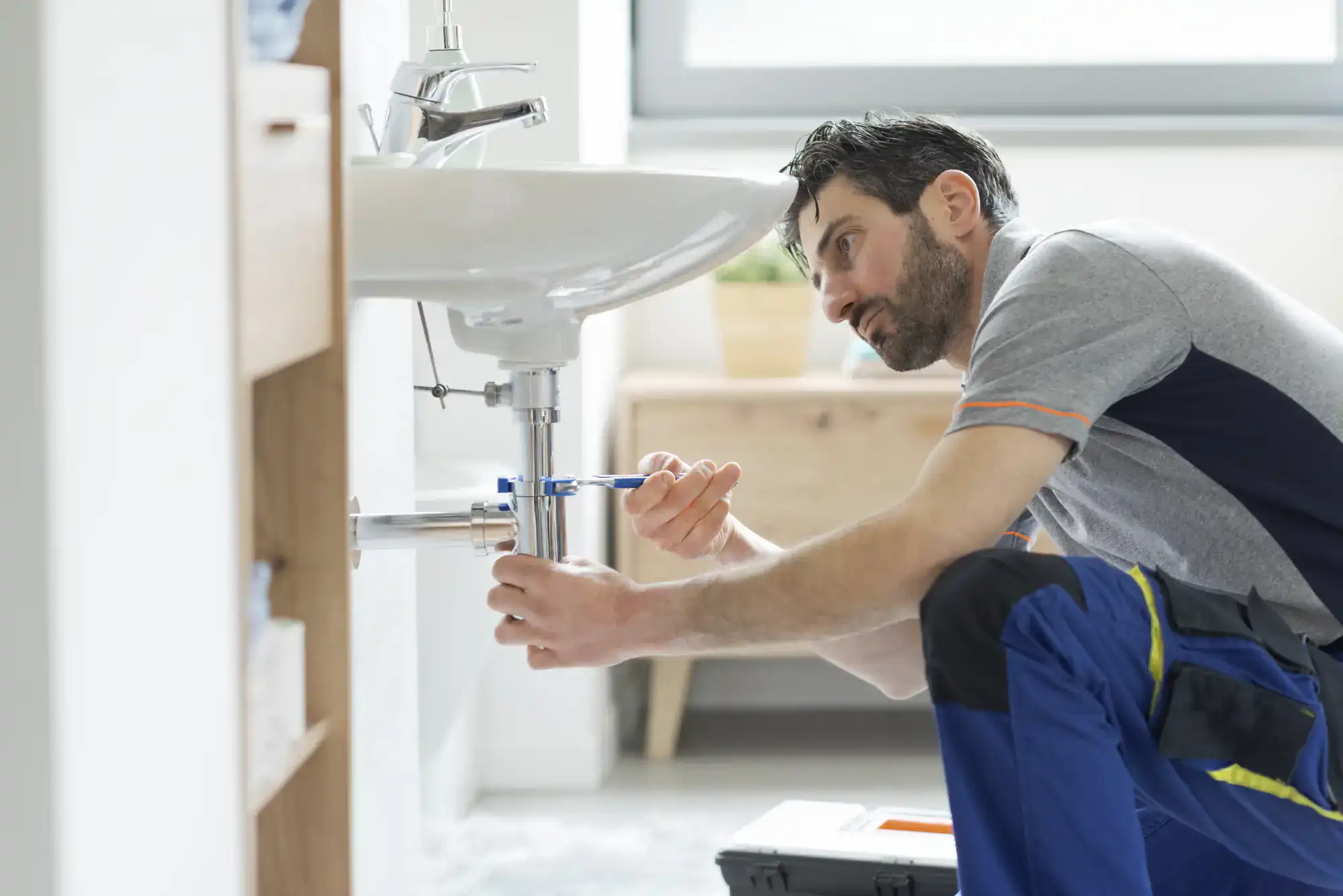
This is where the comparison gets real. When we arrive for a leak detection call, we come equipped with tools that aren’t available at a hardware store and aren’t practical for a one-time homeowner use. Acoustic listening devices pick up the sound signature of water escaping under pressure through a pipe — even through concrete. Thermal imaging cameras detect temperature differences caused by moisture behind walls or under floors, making invisible leaks visible without touching a thing. Video pipe inspection cameras travel through your plumbing and show exactly what’s happening inside. Hydrostatic pressure testing pressurizes your system to identify exactly where pressure drops, confirming a leak’s location before any repair work begins.
The reason this matters isn’t just technical. It’s financial. When we pinpoint a slab leak to a specific location — say, 12 feet from the south wall beneath your master bathroom — the repair can be targeted. A small section of pipe gets replaced. Contrast that with the alternative: cutting open a large section of floor, breaking concrete across a wide area, re-pouring it, and hoping you found the right spot. The detection cost that felt steep upfront just saved you several thousand dollars in unnecessary repair work.
In Alachua County specifically, slab leaks are one of the most common and most serious leak types homeowners face. Gainesville and the surrounding area sit on sandy limestone soil with a high water table, and virtually every home built here in the past 60 years sits on a concrete slab foundation. Add in the hard water coming from the Floridan Aquifer — which carries lime and calcium deposits that accelerate pipe corrosion over time — and you have conditions that make hidden slab leaks more likely here than in many other parts of the country. Our technicians understand what they’re looking for in this environment in a way that a generalist plumber, or a homeowner with a wrench, simply doesn’t.
DIY leak detection isn’t inherently reckless. Checking your water meter, looking under sinks, inspecting visible pipe connections — these are reasonable first steps and they occasionally find the problem. But there’s a meaningful gap between confirming that a leak exists and finding exactly where it is. The water meter test tells you water is moving when it shouldn’t be. It doesn’t tell you whether the leak is under your slab, inside a wall cavity, or somewhere along an underground supply line.
The trouble starts when homeowners move from investigation into intervention without that precision. Cutting into drywall in the wrong spot. Digging up a section of yard based on a hunch. Replacing a section of pipe that wasn’t the actual source. Each of these moves costs time and money — and at the end of it, you may still have the original leak plus a hole in your wall or a trench in your yard. Now you’re calling a professional anyway, except now they’re also dealing with the aftermath of the DIY attempt.
There’s also an insurance angle that most people don’t think about until it’s too late. Homeowners insurance typically covers sudden, accidental water damage — a pipe that lets go without warning. What insurers often deny are claims where there’s evidence the leak had been present for a while and wasn’t addressed. A professional inspection report from a licensed plumber creates documentation that protects your claim. A DIY attempt, especially one that didn’t find or fix the problem, creates no useful paper trail and can actually signal to an insurer that the damage was the result of neglect. That distinction can be the difference between a covered claim and a five-figure out-of-pocket repair bill.
Mold is the other hidden cost. In Alachua County’s climate — high humidity year-round, with summers that push relative humidity above 80 percent for weeks at a time — mold growth behind walls can begin within 24 to 48 hours of water intrusion. A leak that goes undetected for even a few weeks can require professional mold remediation on top of the plumbing repair, adding thousands of dollars to the total and potentially making part of your home uninhabitable during the process.
Want live answers?
Connect with a Dee Rooter Plumbing expert for fast, friendly support.
Not every suspected leak is a drop-everything emergency. A slow drip under a bathroom sink is worth addressing promptly, but it’s not a 2 AM phone call situation. Some leaks are. Knowing the difference matters — both for your safety and for the total cost of the damage.
If you’re hearing water movement with everything off, noticing warm or soft spots on your floors, seeing foundation cracks that weren’t there before, or smelling sewage without an obvious source, those are signs that something more serious is happening. Active slab leaks under pressure can erode the material beneath your foundation surprisingly fast. Waiting until morning — or until next week — is rarely the neutral choice it feels like.
Alachua County’s rainy season runs from June through September, and during those months the ground around and beneath your home is saturated. That elevated hydrostatic pressure on slab foundations is one reason why slab leaks tend to surface — or worsen — during summer. If you notice new symptoms during or after heavy rainfall, that timing isn’t a coincidence.
A sudden and unexplained spike in your water bill is one of the clearest early signals. Bills that jump 50 to 100 percent without a change in your household’s usage patterns almost always point to a leak somewhere in the system. Catching it at the billing stage, before visible damage appears, is the best-case scenario — but it requires acting on that signal rather than waiting to see if it corrects itself.
Warm spots on tile or hardwood floors are a classic indicator of a hot water line leak beneath the slab. You might also notice that your water heater is running more frequently than usual, which happens when a pressurized hot water line is losing volume underground. These symptoms together are a strong signal to call us the same day, not schedule something for two weeks out. An active slab leak doesn’t pause while you wait for a convenient appointment window — it keeps moving water through your foundation.
For homeowners in older neighborhoods near the University of Florida campus, or in outlying communities like High Springs, Newberry, or Alachua where properties tend to be older and some are on private well systems, the calculus is the same: the longer a hidden leak runs, the more it costs to fix. The detection visit is the cheapest part of the whole equation.
A lot of homeowners hesitate to call because they don’t know what happens next — and uncertainty is uncomfortable when you’re already dealing with a stressful situation. The process is more straightforward than most people expect.
We arrive and start with a structured diagnostic approach: visual inspection of accessible plumbing, followed by pressure testing to confirm whether a leak is active and isolate which part of the system it’s in. From there, acoustic sensors or thermal imaging narrow the location. The goal at every stage is to get more specific without getting destructive — opening a wall or cutting into a floor only happens after the exact location has been confirmed. That sequence is what separates professional detection from guesswork.
You’ll get a clear picture of what was found and what the repair options are before any work begins. Written estimates, not ballpark figures over the phone, give you something concrete to evaluate. This matters especially if you’re planning to file an insurance claim, because documentation from a licensed plumber carries weight that a homeowner’s account of events does not.
We’ve been doing this work in Gainesville and across Alachua County for over six years. We’re a family-owned operation — not a franchise, not a rotating crew of subcontractors. Our technicians know this area’s soil conditions, the plumbing challenges that come with slab foundations and hard water, and what it takes to find a leak accurately the first time. That’s not a marketing line. It’s just what six-plus years of local work looks like.
The short version: professional leak detection costs $175 to $350 on average, and that investment almost always costs less than the damage a missed or mishandled leak leaves behind. DIY methods have their place as a starting point, but they have real limits — and when those limits get pushed, the consequences tend to be expensive.
If something feels off with your plumbing, trust that instinct. An unexplained water bill, a sound that shouldn’t be there, a floor that feels different underfoot — these are worth a phone call. The longer a hidden leak runs in Alachua County’s climate and soil conditions, the more complicated the repair becomes.
When you’re ready to get a real answer, we’re available same day and around the clock. Give us a call at 888-588-1148.
Summary:
Article details:
Share: