A burst pipe can destroy a home in hours. Here's what to do right now — and why fast, local help makes all the difference in Alachua County.
Water on the floor. A sound you can’t place. Or maybe it’s obvious — a pipe has let go and water is going everywhere. Whatever you’re facing right now, the most important thing is this: the faster you act, the less damage you’re dealing with tomorrow.
Burst pipe repair isn’t just a plumbing problem. It’s a race against water damage, mold, and structural harm that can turn a manageable repair into a costly disaster. This page will tell you exactly what to do in the next few minutes, how to stop the water, and what Alachua County homeowners need to know about why pipes fail here in the first place.
The instinct is to panic. That’s understandable. But the first 30 minutes after a pipe bursts are the most consequential, and a few quick actions can dramatically limit the damage to your home.
Your first move is to stop the water. Everything else — calling your insurance company, assessing the damage, figuring out what broke — comes after that. If you can safely reach electrical panels near standing water, shut off power to the affected area. Then grab your phone and start documenting with photos and video before you touch anything. Your insurance claim will depend on it.
Once the water is off and you’ve documented the scene, call a licensed emergency plumber. Not tomorrow. Now. Mold can begin growing within 24 to 48 hours of water intrusion, and water travels in ways you can’t see — along floor joists, behind drywall, under flooring. What looks like a contained mess rarely is.
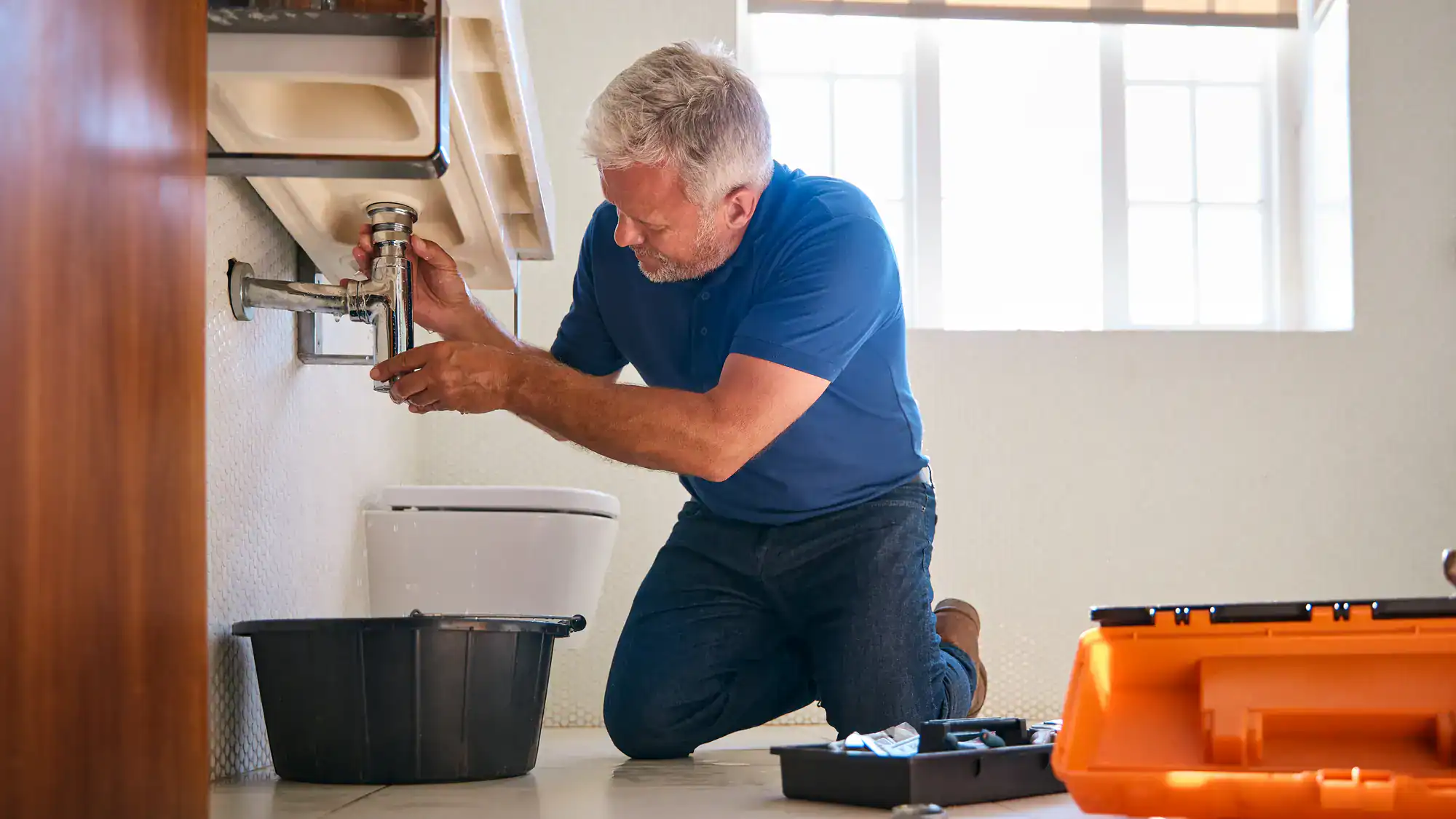
This is where a lot of homeowners lose critical time. If you’ve never located your home water shut off valve before an emergency, you’re not alone — but it’s worth knowing now, before you need it.
Here’s the thing that trips up people who’ve moved from other states: Florida homes don’t have basements. Every generic guide that tells you to “check the basement utility room” is useless here. In Alachua County, the main water shut off valve is almost always in one of a few places.
The most common location is outside, near your water meter. In Gainesville and the surrounding communities throughout Alachua County, the meter box is typically at the edge of your property near the street or sidewalk — a small rectangular cover flush with the ground, usually marked “water.” You can shut off the supply at the meter using a meter key or, in a pinch, a pair of channel-lock pliers. This cuts water to the entire house.
If you’re looking for an interior option, check the utility closet near your water heater, under the kitchen sink, or along an interior wall near where the main line enters the house. Many Alachua County homes built in the 1970s through 1990s have the main interior shutoff in a closet near the garage or laundry area — though it varies by builder and age of the home.
The water shut off valve in your house is your first line of defense in any pipe emergency. Knowing where it is before something goes wrong is one of the simplest things you can do to protect your home. If you genuinely don’t know where yours is, it’s worth asking a plumber to walk you through it on your next service visit — or call us and we’ll help you find it over the phone while we’re on the way.
Most people associate burst pipes with freezing temperatures up north. And while North Florida does get cold snaps — Gainesville has seen temperatures dip into the teens — freezing is actually one of the less common causes of pipe failure here. The more persistent threats are specific to Florida’s climate and soil conditions, and they affect homes year-round.
Corrosion is a major culprit. Gainesville’s water supply, delivered through GRU, contains minerals that gradually break down copper and galvanized steel pipes from the inside out. Homes in older neighborhoods like Duckpond or the Fifth Avenue area, many built in the 1950s through 1970s, are running on pipe systems that are at or past their useful life. A pipe that looks fine on the outside can be paper-thin inside.
High water pressure is another common cause that most homeowners never think about. When pressure runs above 80 PSI consistently, it stresses every joint, fitting, and connection in your plumbing system. Over time, something gives.
Then there’s the ground itself. Florida’s sandy, porous soil expands and contracts with rainfall — and Alachua County averages over 51 inches of rain per year. That constant movement puts stress on underground pipes and anything embedded in a concrete slab, which is how nearly every home in Alachua County is built. Slab leaks are a real and specific risk here, and they can turn into a burst pipe situation fast if they go undetected.
Tree root intrusion, aging materials, and poor original installation round out the list. The point is: if you’re a homeowner in Alachua County, the question isn’t really whether your pipes will ever give you trouble — it’s when, and whether you catch it early enough to avoid the worst of it.
Want live answers?
Connect with a Dee Rooter Plumbing expert for fast, friendly support.
Getting the water off is step one. What you do in the hour after that can still make a significant difference in how much damage you’re ultimately dealing with.
After shutting off the main supply, open a cold-water faucet on the lowest floor of your home to drain any remaining pressure from the lines. This slows the flow from the damaged section while you wait for a plumber. Move furniture, rugs, and belongings out of the affected area if you can do it safely. And keep documenting — more photos, more video, every room that shows any sign of moisture.
Don’t run fans or attempt to dry things out before a professional has assessed the damage. Moving air around wet materials can spread moisture further before the source is properly addressed.
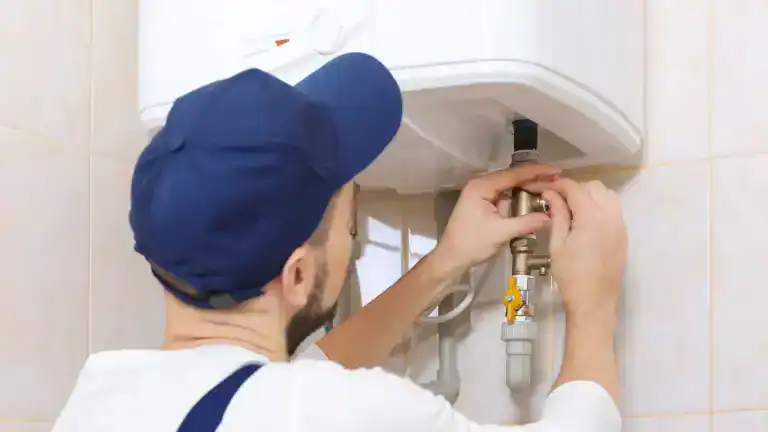
Faster than most people expect. Water doesn’t pool and wait — it moves. It follows the path of least resistance through subfloor materials, along concrete slab edges, into wall cavities, and under baseboards. In a Florida home, where humidity is already high year-round, that moisture has ideal conditions to cause lasting harm.
The 24 to 48 hour mold window is real. Once mold takes hold in drywall, insulation, or wood framing, you’re no longer dealing with a plumbing repair — you’re dealing with remediation, which is a different and significantly more expensive problem. Some homeowners discover mold weeks after a pipe event they thought they’d handled, because the visible damage was addressed but hidden moisture wasn’t.
The financial stakes are significant. The average insurance claim for water damage runs over $12,000, and that figure doesn’t include the cost of repairing the pipe itself. Every hour between the pipe failure and professional intervention is an hour for damage to compound. This is why calling immediately matters more than waiting to see how bad it gets.
For homeowners in areas like Haile Plantation, Tioga, or the older neighborhoods closer to downtown Gainesville, the risk profile varies but the urgency doesn’t. Newer construction isn’t immune to pressure failures or installation defects, and older homes carry the added weight of aging materials. The common thread is time — or the lack of it.
Most burst pipes don’t come out of nowhere. There are usually warning signs — and a few straightforward habits that dramatically reduce your risk.
Pay attention to your water bill. An unexplained spike in usage is one of the earliest indicators of a hidden leak or a pipe that’s under stress. Similarly, low water pressure at multiple fixtures, discoloration on walls or ceilings, or the faint sound of running water when nothing is turned on are all signals worth investigating before they become emergencies.
Know your water pressure. A pressure gauge from any hardware store can tell you what your system is running at. If it’s consistently above 80 PSI, a pressure-reducing valve is a relatively inexpensive fix that can extend the life of your entire plumbing system. Many Alachua County homes, particularly those on older supply lines, run higher than they should.
If you’re in one of Alachua County’s colder microclimates or you have pipes in an uninsulated garage or attic space, take cold snaps seriously. When temperatures are forecast to drop below freezing, let a slow drip run from an interior faucet overnight and open cabinet doors under sinks on exterior walls. It takes five minutes and can prevent a repair that costs thousands.
For homes with older galvanized or copper pipes — especially anything built before 1985 in areas like Waldo, High Springs, or Newberry — a professional inspection every few years is worth the cost. Catching corrosion or a developing slab issue early is dramatically cheaper than responding to a full pipe failure. And if you don’t know what your pipes are made of or when they were last inspected, that’s a reasonable place to start the conversation with a plumber you trust.
In an emergency, you don’t have time to vet a dozen plumbers. You need someone who answers, shows up fast, and knows what they’re doing — without using the urgency of the situation as an excuse to overcharge you.
We’ve been doing this work in Gainesville and across Alachua County for over six years. Family-owned, locally operated, and available 24 hours a day, every day of the year. Our crew knows the slab foundations, the soil conditions, the aging pipe systems in this area’s older neighborhoods, and the specific ways Florida’s climate puts stress on your plumbing. That experience makes a real difference in how quickly we diagnose the problem and how durably we fix it.
If you’re dealing with a burst pipe right now — or you want to get ahead of a system that’s been giving you warning signs — reach out to us at Dee-Rooter Plumbing, Sewer & Drain. Co. We’ll give you a straight answer and an upfront price, no surprises.
Summary:
Article details:
Share: