Alachua County's hard water accelerates scale buildup in tankless units faster than most homeowners realize. Here's what maintenance actually looks like — and when to call in help.
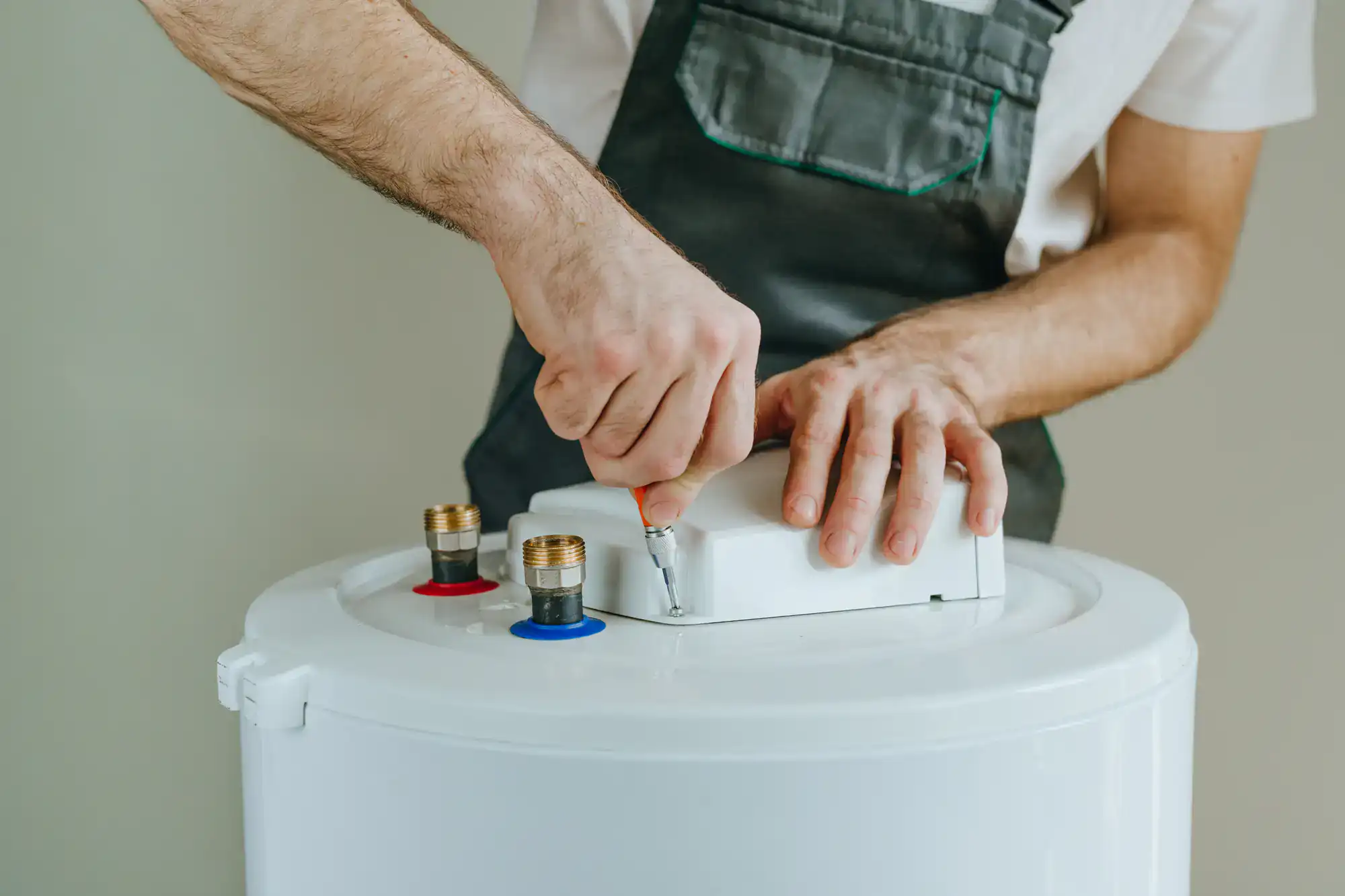
Most people buy a tankless water heater expecting it to run quietly in the background for decades. And it can — if it’s maintained. The problem is that Alachua County is one of the harder places in the country to own a tankless unit without staying on top of it. The water here is naturally mineral-heavy, and those minerals build up inside your system over time in ways you can’t see until something goes wrong. This guide covers what tankless water heater maintenance actually involves, what the right schedule looks like for this area, and how to tell when a job is beyond the DIY stage.
A tankless water heater doesn’t need constant attention, but it does need consistent attention. The right schedule depends on your water quality, how much hot water your household uses, and how old your unit is — but for most homes in Alachua County, annual service is the minimum, and semi-annual is often smarter.
On a monthly basis, the main thing worth doing is a quick visual check. Look for any error codes on the display, listen for unusual sounds, and make sure the area around the unit is clear and dry. These take two minutes and can catch small issues before they become expensive ones. Quarterly, it’s worth checking the inlet filter screen — the small mesh filter at the cold water inlet that catches sediment before it reaches the heat exchanger. In Alachua County, this screen can clog faster than you’d expect because of the mineral content in our water supply.
The annual service is where the real work happens, and we’ll get into that in detail below.
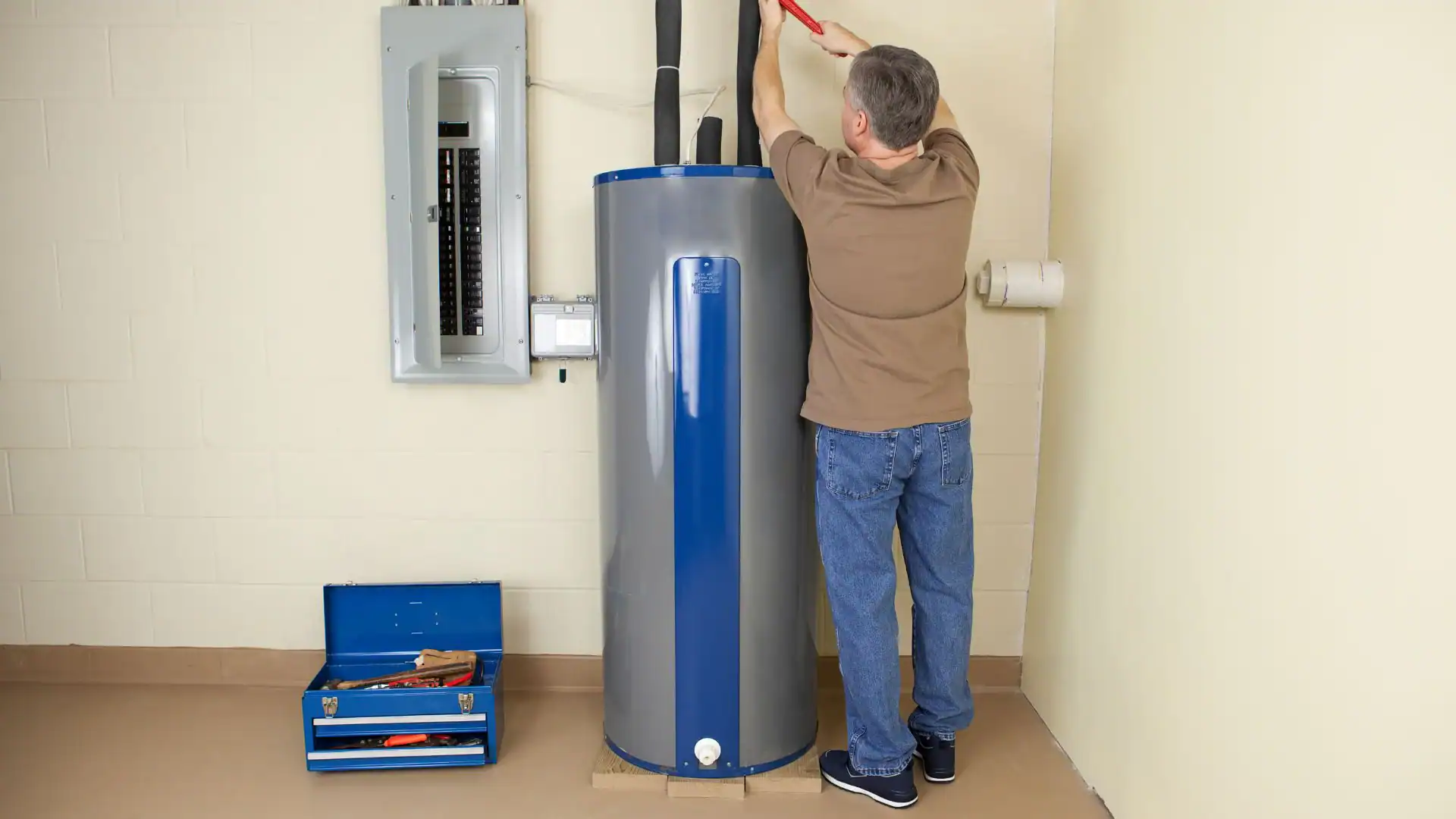
Flushing a tankless water heater — sometimes called descaling — is the core of any annual maintenance service. The goal is to push a cleaning solution through the heat exchanger to dissolve the mineral deposits that have accumulated over the past year. Left alone, that buildup acts like insulation around the heat exchanger, forcing the unit to work harder to heat the same amount of water. Over time, it reduces efficiency, triggers error codes, and shortens the unit’s lifespan.
The process itself involves shutting off the water supply and gas or power to the unit, connecting a small submersible pump and hoses to the service valves on either side of the unit, and circulating a descaling solution — typically food-grade white vinegar or a manufacturer-approved cleaner — through the heat exchanger for 45 to 60 minutes. After the flush, the system gets rinsed with clean water before being reconnected and restarted.
It sounds manageable, and for someone comfortable with basic plumbing, the flush itself is doable. The catch is that flushing the heat exchanger is only one part of a complete service. A thorough annual maintenance visit also includes cleaning the air intake filter on gas units, cleaning the condensate trap on condensing models like Navien, inspecting the venting system for blockages or corrosion, testing the pressure relief valve, and running a full diagnostic to check for error codes. None of that gets covered by a DIY vinegar flush.
There’s also the question of what you find along the way. Our technicians have been servicing tankless units in Alachua County for years and have seen what heavy scale damage actually looks like — we know the difference between a heat exchanger that just needs a flush and one that’s on its way out. That kind of diagnostic judgment doesn’t come from a YouTube tutorial.
Here’s the part that catches a lot of local homeowners off guard: the national guidance on tankless maintenance — flush once a year — is based on average water conditions. Alachua County’s water is not average.
Gainesville Regional Utilities draws from the Floridan Aquifer System, one of the most productive aquifer systems in the world. It’s clean water, but it’s also naturally high in calcium and magnesium carbonate — the minerals that form limescale inside your water heater. That means scale builds up faster here than it would in a softer-water market, and the standard once-a-year recommendation can be genuinely insufficient for homes without a water softener.
If your home is in a newer development in Newberry or Tioga where the house came with a tankless unit already installed, there’s a good chance that unit is now 5 to 7 years old and has never been flushed. That’s not an unusual situation — it’s actually one of the more common things we see. The unit works, so the homeowner assumes it’s fine. But inside the heat exchanger, scale has been accumulating the entire time, and the unit is already working harder than it should be.
The same issue comes up with rental properties near the University of Florida. Tenants don’t schedule maintenance, and landlords often don’t either until something breaks. By then, the scale damage is significant enough that a flush alone may not be enough to restore full performance.
If your home has hard water and no softener, semi-annual descaling is worth considering. And if you’re not sure what your water hardness is, that’s something we can help you figure out — it’s also a conversation worth having if you’re already thinking about a water softening system, which is the most effective long-term way to slow scale formation in any water heating equipment.
Want live answers?
Connect with a Dee Rooter Plumbing expert for fast, friendly support.
The DIY vs. professional question comes up a lot, and the honest answer is: it depends on what you’re trying to accomplish. If you want to circulate vinegar through your heat exchanger once a year and call it done, that’s achievable with a basic flush kit and a free afternoon. If you want your system properly maintained — filters cleaned, venting checked, safety valves tested, diagnostics run — that’s a different job.
We’re not going to tell you that DIY maintenance is pointless, because it isn’t. Homeowners who stay on top of their inlet filter and run an annual flush are in much better shape than those who ignore the system entirely. But there’s a real gap between a partial flush and a complete service, and in a hard water area like Alachua County, that gap matters.
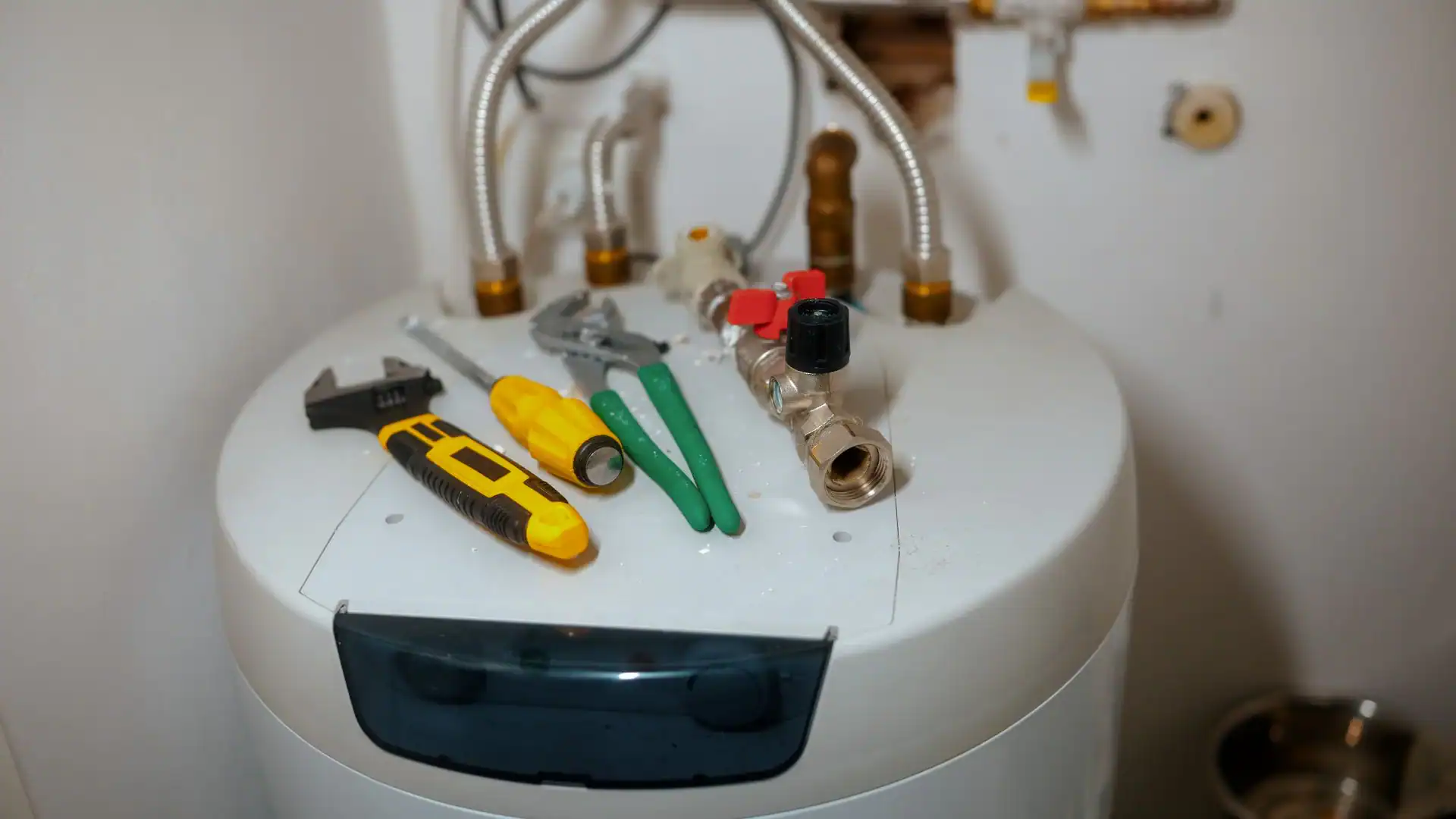
A homeowner with basic plumbing confidence can realistically handle a few things. Checking and rinsing the inlet filter screen is straightforward — it’s just a small mesh screen you remove, rinse under running water, and reinstall. Running a vinegar flush through the heat exchanger is doable if you have the right equipment and follow the manufacturer’s instructions carefully. Keeping the area around the unit clear and dry, and noting any error codes that appear on the display, are habits worth building regardless of how hands-on you want to be.
What DIY can’t cover is everything else. Inspecting the venting system requires knowing what you’re looking for — loose connections, signs of corrosion, blockages that aren’t immediately visible. Testing the pressure relief valve properly means understanding how it works and what a failed test indicates. On condensing units like Navien, cleaning the condensate trap is a step that gets skipped constantly in DIY services because most homeowners don’t know it exists. And running a real diagnostic — not just glancing at the display, but pulling error history and interpreting what it means for the unit’s condition — requires familiarity with the system that comes from working on a lot of them.
There’s also the warranty angle. Many tankless water heater manufacturers require documented annual professional service as a condition of the warranty. A DIY flush, even a thorough one, typically doesn’t satisfy that requirement. If your unit is still under warranty, that’s worth knowing before you decide to go it alone.
The line we’d draw is this: DIY maintenance is better than no maintenance. But if your unit is more than a year old and hasn’t had a professional service, or if you’re already seeing symptoms — lukewarm water, error codes, a unit that cycles on and off — it’s time to have someone look at it properly.
Some maintenance is about prevention. Some is about responding to what the system is already telling you. Knowing the difference between a warning sign and a normal quirk can save you a lot of frustration — and potentially a full unit replacement.
The most common symptom of scale buildup is water that isn’t as hot as it used to be, or takes noticeably longer to reach temperature. That’s the heat exchanger struggling to transfer heat efficiently because it’s coated in mineral deposits. It’s not a dramatic failure — the unit still works — but it’s a clear sign that something needs attention.
Error codes are the next thing to watch for. Navien units often display an LC code when scale buildup has reached a level that’s affecting performance. Rinnai units may show a Code 12. These codes don’t always mean the unit is about to fail, but they do mean the system has flagged a problem and it’s not going to resolve itself. Ignoring them and hoping the code clears is how a manageable maintenance issue becomes a heat exchanger replacement.
Reduced water pressure from your hot water fixtures is another indicator — scale can accumulate in the inlet filter and restrict flow before it even reaches the heat exchanger. Units that shut off unexpectedly mid-use, make rumbling or popping sounds during operation, or show inconsistent temperatures across different fixtures are all worth having looked at. In Alachua County’s hard water environment, these symptoms tend to show up earlier than homeowners expect, especially in homes that have gone more than a year without service.
If any of this sounds familiar, a diagnostic visit is the right first step. It’s faster and far less expensive than waiting to see how bad it gets.
Tankless water heaters are a genuinely good investment — longer lifespan, better efficiency, no tank to worry about. But in a place like Alachua County, where the water coming out of the ground is naturally hard, they need more consistent care than the manufacturer’s general guidance might suggest.
Annual service is the floor. Semi-annual is often the smarter call. And if your unit hasn’t been touched since it was installed, the right move is to have it looked at before a symptom forces the issue.
We’ve been doing this work in Gainesville and the surrounding area for over six years — Newberry, High Springs, Alachua, Archer, and everywhere in between. We service Navien, Rinnai, Rheem, and most other major brands, and we give you a straight answer on what your system needs before we do anything. If you’re ready to get your tankless unit properly maintained, reach out to us — we’re available around the clock and can usually get to you the same day.
—
**FAQ**
**How often should I maintain my tankless water heater?** At minimum, once a year. In Alachua County, where water drawn from the Floridan Aquifer is naturally high in calcium and magnesium, semi-annual flushing is often the smarter choice — especially if your home doesn’t have a water softener. The harder your water, the faster scale builds up inside the heat exchanger.
**What does tankless water heater cleaning involve?** A complete professional service includes circulating a descaling solution through the heat exchanger to dissolve mineral buildup, cleaning the inlet filter, inspecting the venting system, testing the pressure relief valve, cleaning the condensate trap on applicable units, and running a full diagnostic. The descaling itself takes about 45 to 60 minutes; a full service visit typically runs longer.
**Can I clean my tankless water heater myself, or do I need a professional?** You can handle some of it — rinsing the inlet filter and running a basic vinegar flush are within reach for most homeowners. But a complete service involves components and diagnostics that go well beyond what a DIY kit covers. If your unit is still under warranty, check the manufacturer’s requirements — many require documented professional service to keep the warranty valid.
**How do I know when my tankless water heater needs service?** The clearest signs are water that’s not as hot as it used to be, error codes on the display, reduced hot water pressure, or a unit that shuts off unexpectedly. In Alachua County, these symptoms often appear sooner than expected because of the area’s hard water — which is why staying ahead of maintenance matters more here than in many other markets.
Summary:
Article details:
Share: