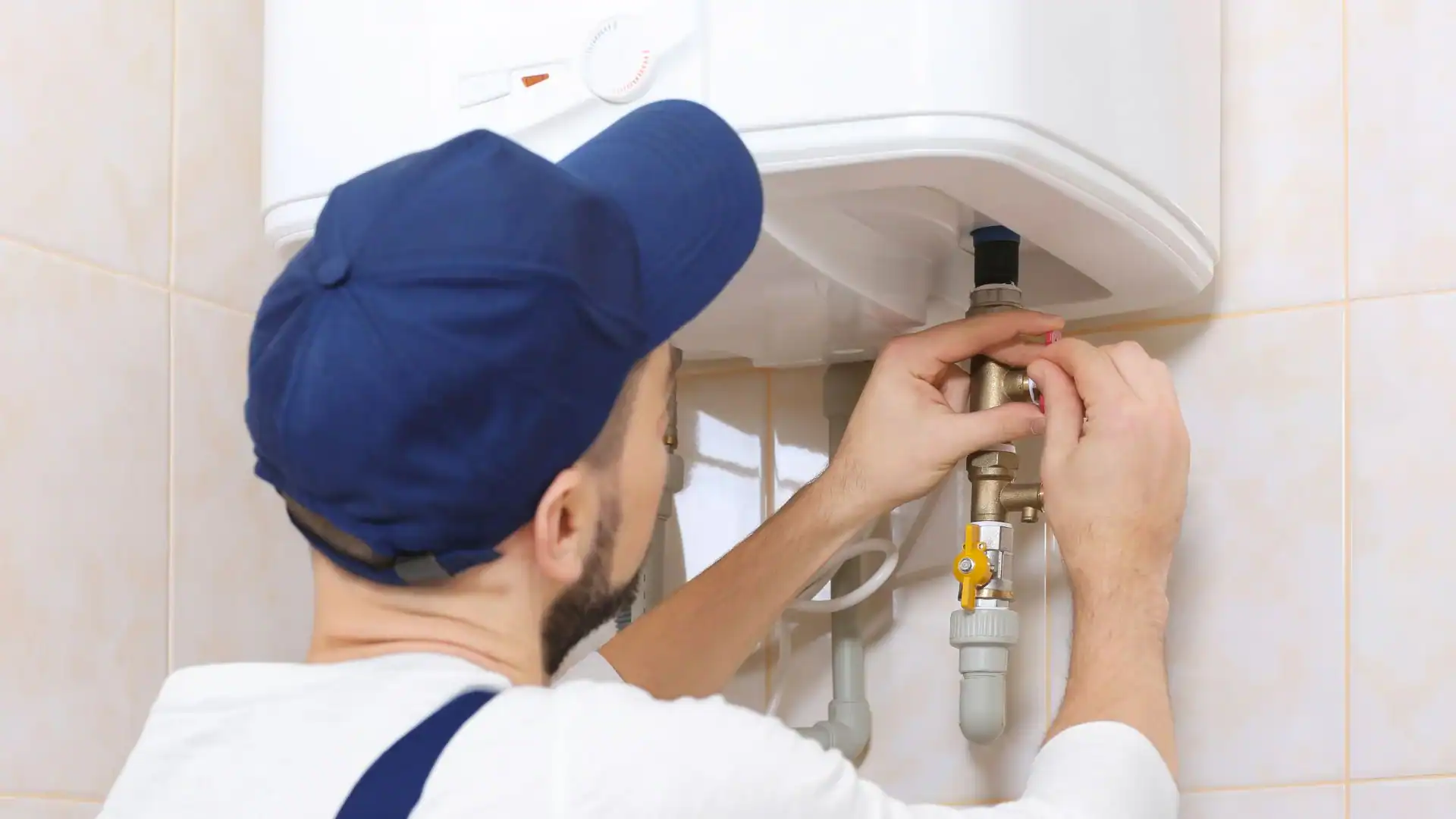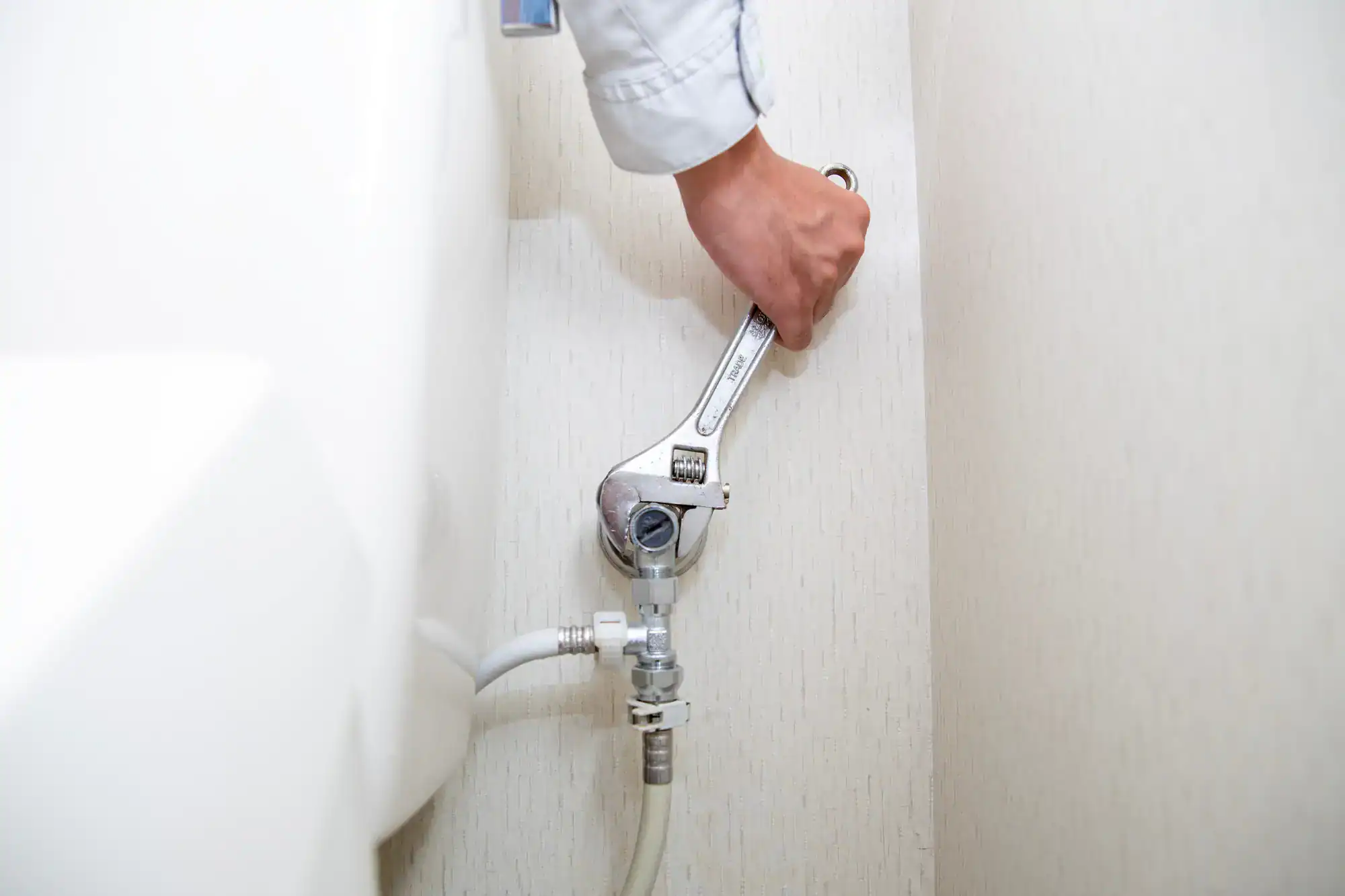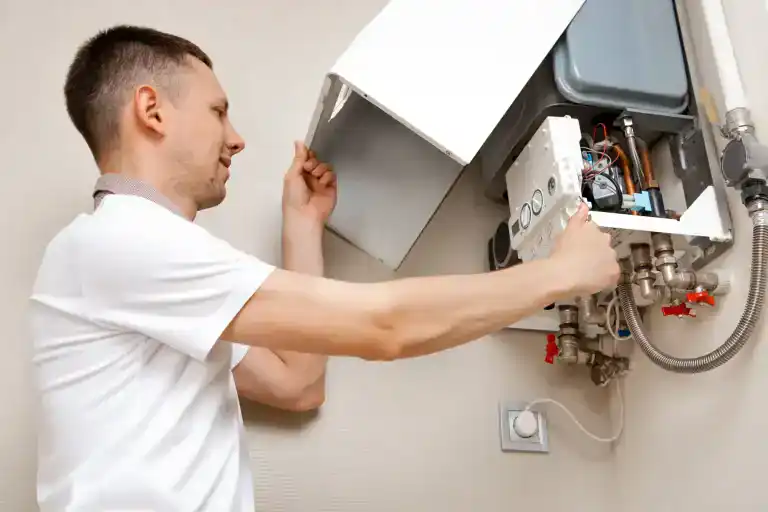
Thinking about going tankless? Here's what Alachua County homeowners actually need to know before making the switch — costs, installation, and all.
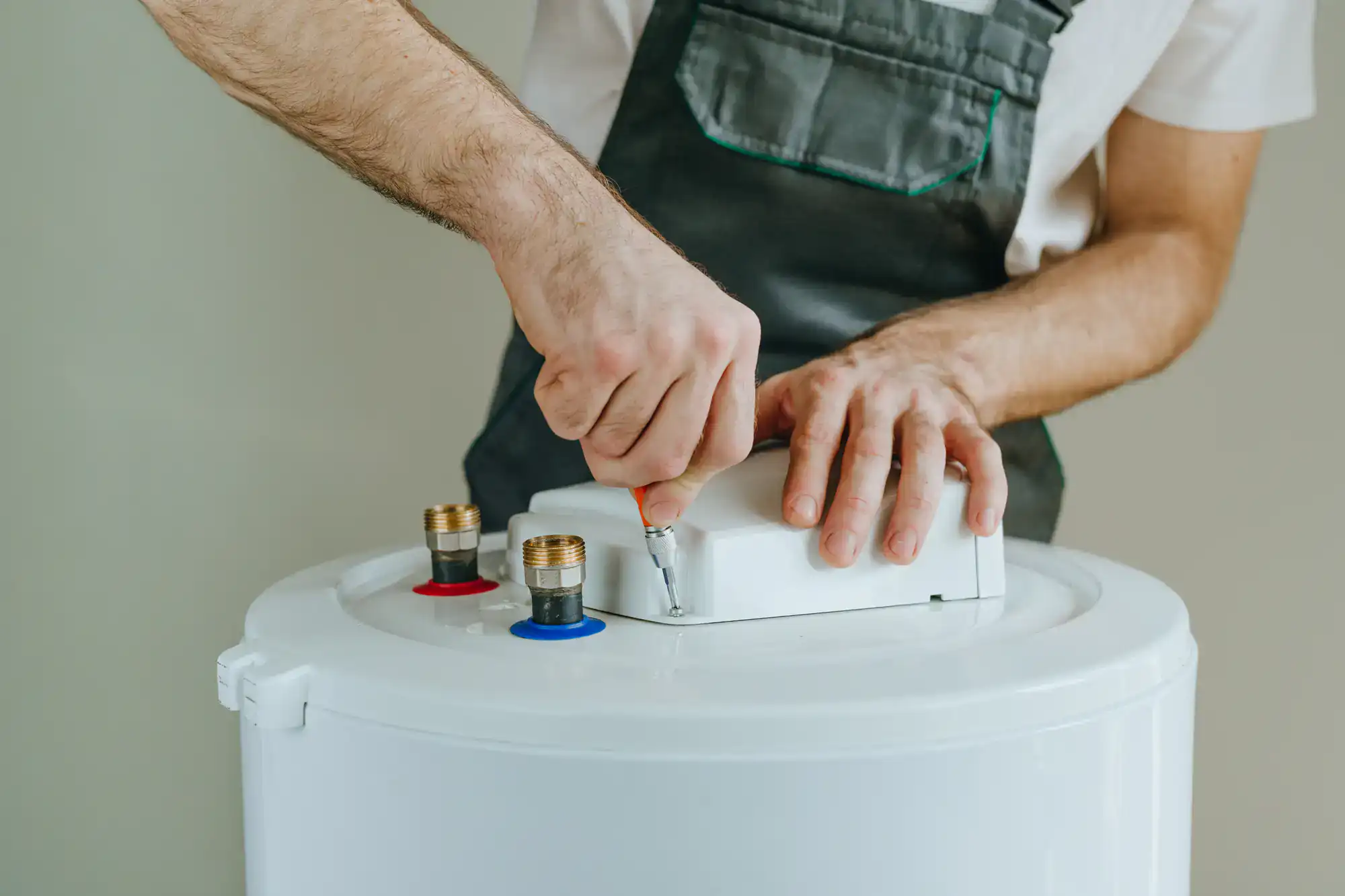
If you’ve ever stood in a cold shower waiting for the hot water to catch up — or watched your energy bill climb without a clear reason — you’ve probably wondered whether your water heater is working against you. For a lot of Gainesville homeowners, the answer is yes.
Tankless water heaters have been around long enough to move past the “new technology” phase. They’re proven, widely installed, and for the right home, genuinely worth the investment. But they’re not the right fit for every situation, and the decision deserves more than a sales pitch.
Here’s a straightforward look at how tankless systems compare to traditional tank water heaters — and what it actually takes to make the switch in Alachua County.
A traditional water heater keeps 40 to 80 gallons of water hot around the clock, whether you’re using it or not. That constant reheating — called standby heat loss — accounts for a meaningful chunk of your monthly energy bill, even on days when nobody’s home.
A tankless water heater works differently. When you turn on a faucet, cold water flows through the unit and gets heated instantly by a gas burner or electric element. The moment you turn the faucet off, the heater shuts down. No stored water, no standby energy waste, no waiting for a tank to refill and reheat.
The U.S. Department of Energy puts the efficiency advantage at 24% to 34% for homes using a moderate amount of hot water daily. In Alachua County, that number actually skews better than the national average — because water from the Floridan Aquifer comes in at around 68 to 72°F year-round, which is significantly warmer than groundwater in colder states. Your unit doesn’t have to work as hard to reach the temperature you want, and that translates directly to lower energy use.
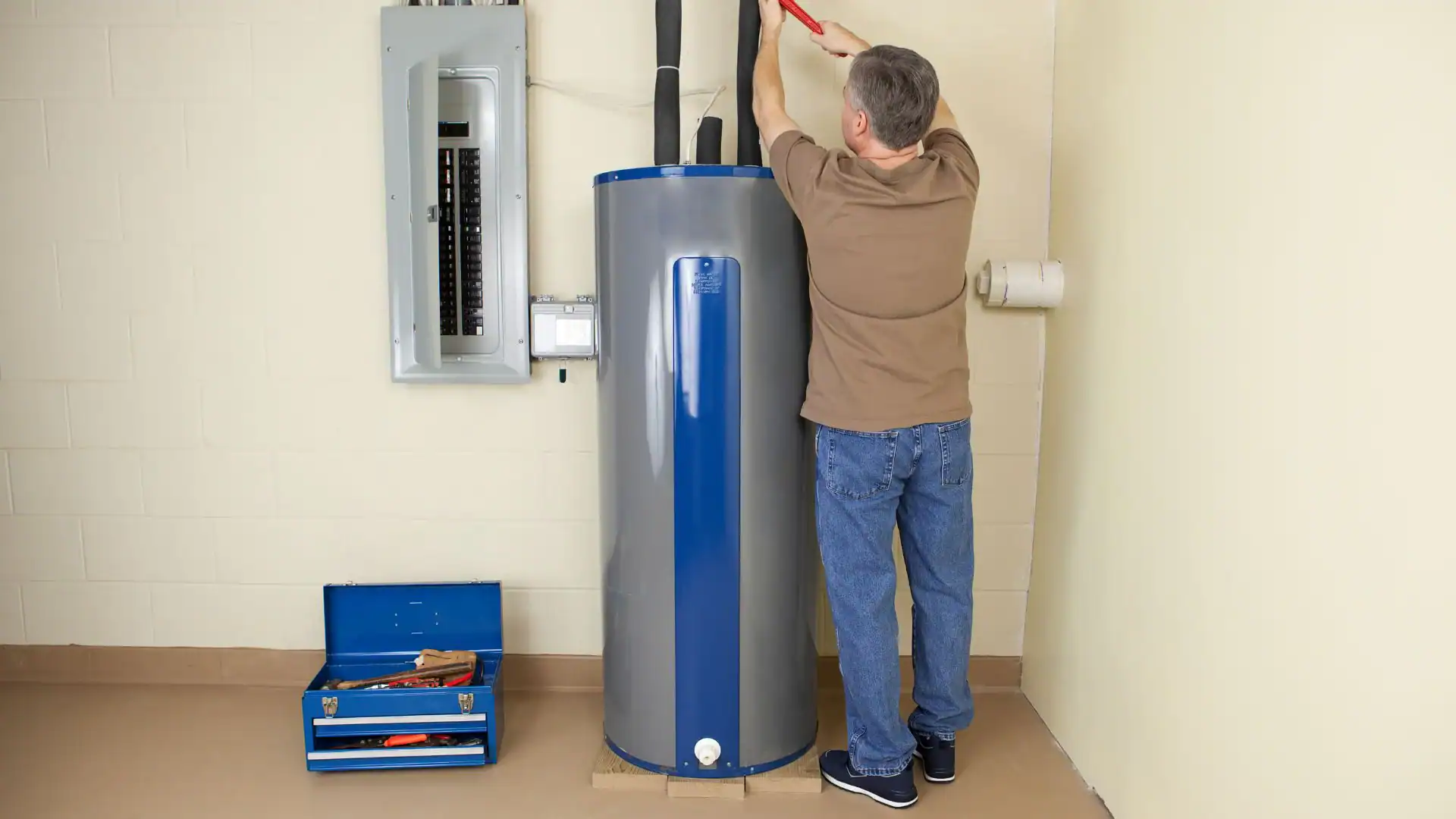
The upfront cost of a tankless system is higher than a traditional tank — there’s no getting around that. But the comparison doesn’t end at the purchase price.
A conventional storage tank water heater typically lasts 8 to 12 years. A properly maintained tankless unit can last 20 years or more. That means over a 20-year period, you’re likely replacing a traditional tank at least once — possibly twice — while a tankless system is still running. When you factor in the cost of that second tank installation, the labor, and the ongoing energy difference, the math shifts considerably.
There’s also the flood risk to consider. A failing storage tank doesn’t always give you warning. When a 50-gallon tank lets go, it lets go all at once. Tankless systems eliminate that risk entirely — there’s no stored water to rupture. For homeowners with the unit installed near a finished space, or landlords managing rental properties near the University of Florida, that’s not a small thing.
The space savings are real too. Tankless units are wall-mounted and roughly the size of a carry-on bag. If your current water heater takes up a corner of your laundry room or utility closet, that space comes back to you.
One thing worth knowing upfront: tankless systems do require annual maintenance in Alachua County. The Floridan Aquifer produces moderately hard water — high in calcium and magnesium from passing through limestone — and that mineral content builds up inside the heat exchanger over time. An annual descaling flush keeps the system running efficiently and protects the unit’s lifespan. It’s a simple service call, not a major repair, but it’s a real part of owning a tankless system in this area.
This is one of the first questions homeowners ask, and the honest answer is: it depends on what your home is already set up for.
Gas tankless water heaters are generally the stronger performer for whole-house applications. They heat water faster, handle higher simultaneous demand, and tend to be more cost-effective to operate in Florida where natural gas rates are relatively stable. If your home already has a gas line, a gas tankless unit is usually the more straightforward upgrade — though there’s an important caveat. Most tankless gas units require a ¾-inch or 1-inch gas supply line, and many older Gainesville homes were built with ½-inch lines. If your home is in an established neighborhood — Duck Pond, the areas around Millhopper Road, or older parts of northwest Gainesville — there’s a reasonable chance the gas line will need to be upsized. That’s not a dealbreaker, but it’s a real cost factor that should be in your estimate from the start.
Electric tankless water heaters avoid the gas line question entirely, but they come with their own infrastructure requirements. A whole-house electric tankless unit typically draws 150 to 200 amps, which means your electrical panel needs to be able to support it — and many homes in Alachua County that were built in the 1970s and 80s are running 100-amp panels. An electrical upgrade adds to the project cost and requires a licensed electrician in Florida. That said, point-of-use electric tankless units — smaller units installed at a single fixture — are a practical option for supplementing an existing system or serving a detached space without running new gas lines.
Neither option is universally better. What matters is an honest assessment of your home’s existing infrastructure, your household’s hot water demand, and your budget for the full project — not just the unit.
Want live answers?
Connect with a Dee Rooter Plumbing expert for fast, friendly support.
Installation is where a lot of online guides go vague, and it’s exactly where homeowners get surprised by costs they weren’t expecting. The unit itself is only part of the project. What the full installation actually requires depends on your home’s existing gas, electrical, and venting infrastructure — and in Alachua County, it also involves permits.
Both the City of Gainesville Building Inspection Division and the Alachua County Building Department require permits for water heater installation and replacement. That applies whether you’re swapping one tank for another or making the switch to tankless. A permit means an inspection, and an inspection means the work has to meet Florida Building Code standards. We pull permits on every installation as a matter of course — not because it’s required, but because it protects you. Unpermitted water heater work can create real problems when you sell your home, file an insurance claim, or deal with a failure-related incident.
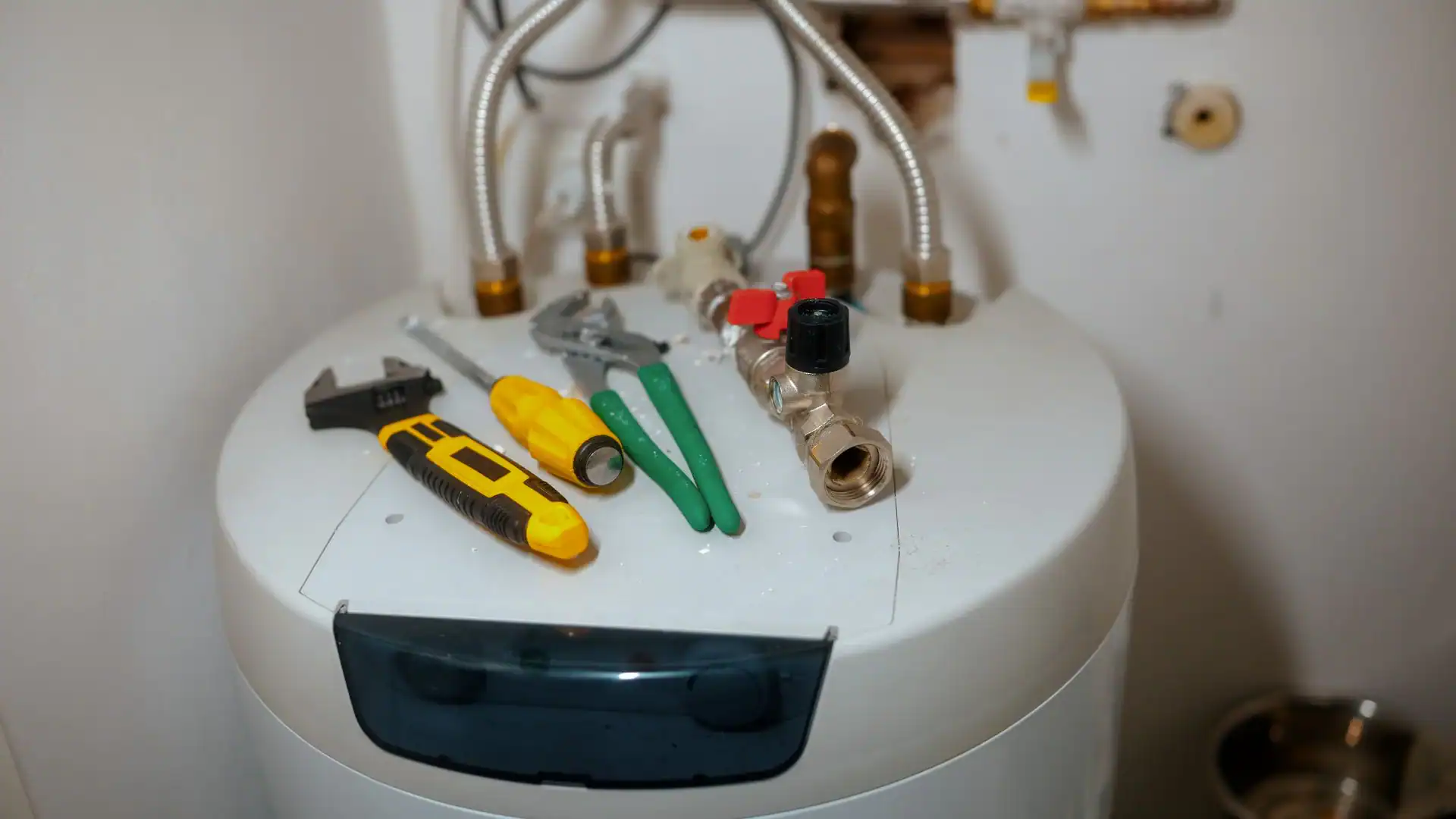
A standard tankless installation — swapping out an existing tank for a tankless unit with no major infrastructure changes — typically takes four to six hours. But “standard” depends heavily on the home.
The process starts with removing the existing water heater and assessing what the new system needs. For a gas unit, that means checking the supply line diameter, the existing venting configuration, and whether the unit location has adequate combustion air. Condensing gas tankless units — the high-efficiency models — produce acidic condensate as a byproduct of combustion, and that condensate needs proper drainage. In Gainesville’s humid climate, this isn’t a detail to skip. Category III stainless steel vent pipe is required for most condensing units, and if the existing venting doesn’t meet that standard, it gets replaced.
For electric units, the process involves verifying panel capacity, running dedicated circuits, and installing the appropriate breakers. If a panel upgrade is needed, that work requires a licensed electrician and adds time to the project.
Once the unit is mounted and connected, we test flow rates, verify the temperature output, and confirm everything is operating within spec before we leave. Then the permit inspection happens — a city or county inspector reviews the installation and signs off. That final step is what makes the work official and protects you going forward.
One thing we’re straightforward about: if your home needs a gas line upgrade, an electrical panel upgrade, or new venting, those costs belong in your estimate before work starts. We’ve been doing this in Alachua County for going on seven years, and the homes here have their own patterns — older gas lines in established neighborhoods, aging panels in 1980s-era construction, hard water that affects long-term maintenance. We know what to look for before we quote the job.
Giving a single number for tankless water heater cost is genuinely difficult, because the range is wide and the variables are real. What we can do is be transparent about what drives the price.
The unit itself ranges from roughly $500 to $2,000 depending on fuel type, brand, capacity, and efficiency rating. Higher-efficiency condensing models cost more upfront but recover the difference in energy savings over time. Installation labor in the Gainesville area typically runs $300 to $800 for a straightforward swap. A full project with no additional infrastructure work — just removing the old tank, installing the new unit, pulling the permit, and passing inspection — often lands between $1,200 and $2,500.
Where costs climb is in the additional work. A gas line upgrade from ½-inch to ¾-inch adds $200 to $600 depending on the run length. New venting adds $150 to $400. An electrical panel upgrade, if needed for an electric unit, can add $1,000 to $2,500 on its own. These aren’t hidden fees — they’re real infrastructure requirements that some homes need and some don’t. The only way to know what your home needs is to have someone look at it.
It’s also worth knowing that certain high-efficiency tankless water heaters qualify for a federal tax credit under the Inflation Reduction Act — up to 30% of the project cost for qualifying units. That can meaningfully change the net cost of the upgrade, and it’s worth asking about when you’re comparing options.
What we won’t do is quote you one number and hand you a bill for another. Every estimate we give includes the full scope of work — equipment, labor, permits, and any required upgrades — before a single pipe gets touched. That’s not a marketing line. It’s just how we operate.
For most Gainesville homeowners, the answer is yes — with the right sizing, the right installation, and honest expectations going in. The energy savings are real. The lifespan advantage is significant. And the quality-of-life difference — genuinely endless hot water without the anxiety of a failing tank — is something most people notice immediately.
The cases where it’s less clear-cut are homes that need substantial infrastructure upgrades to support the switch. If your home needs a new gas line, a panel upgrade, and new venting, the payback period extends. That’s not a reason to avoid the upgrade, but it is a reason to get a thorough assessment before committing.
If you’re weighing the decision for your home in Gainesville, Newberry, Archer, High Springs, or anywhere else in Alachua County, we’re happy to take a look and give you a straight answer — no pressure, no vague estimates, just an honest conversation about what your home actually needs.
Summary:
Article details:
Share: