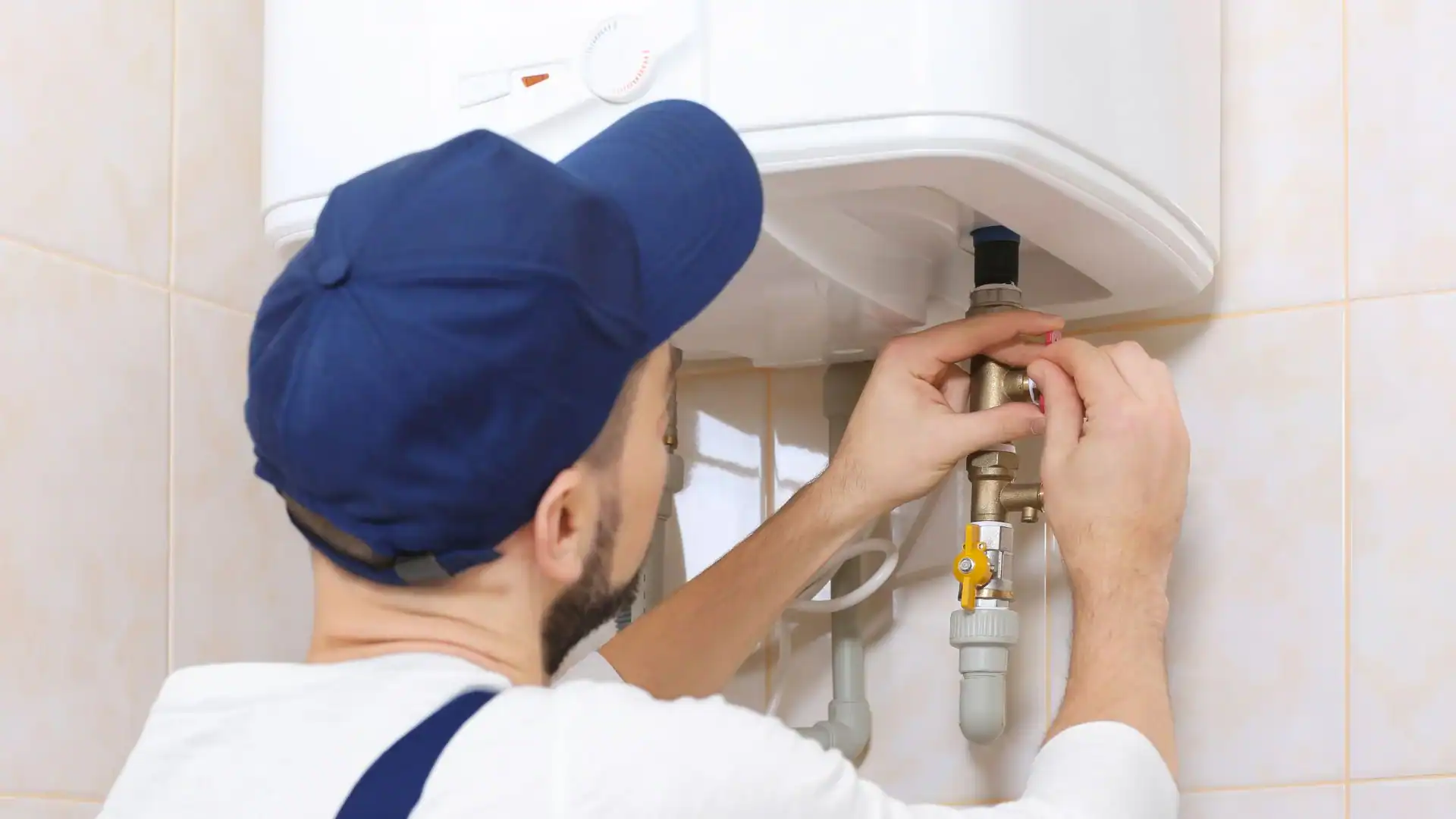
Confused about water heater costs in Alachua County? Here's an honest, local breakdown of what you'll actually pay — and why the lowest quote isn't always the real price.
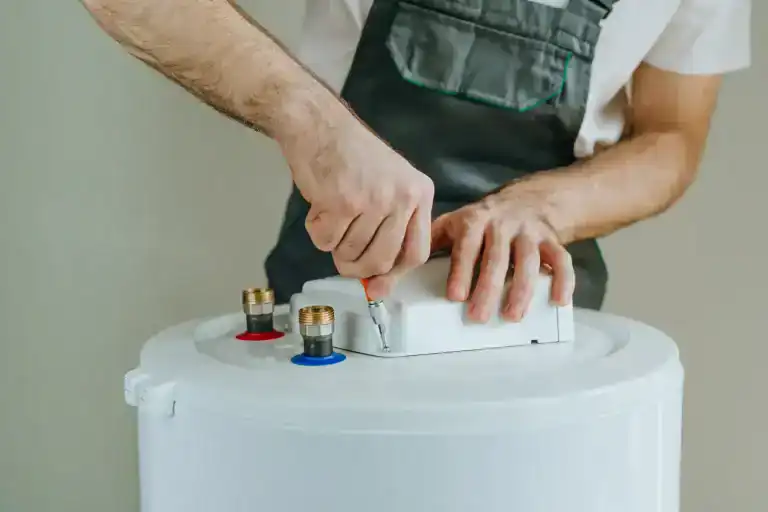
If your water heater just quit on you — or you’ve been watching it limp along for a few years — you’re probably trying to get a realistic number in your head before you call anyone. That’s smart. Water heater installation cost in Alachua County varies more than most people expect, and the difference between a fair quote and a frustrating experience often comes down to what the contractor tells you upfront versus what shows up on the final bill. We’ve walked hundreds of Alachua County homeowners through this process, and we’ve seen the gaps happen. This page walks you through the real cost breakdown — equipment, labor, permits, and the extras that catch people off guard — so you can make a confident decision.
Most homeowners in Alachua County pay somewhere between $1,100 and $2,100 for a standard tank water heater replacement, all in. Tankless installations run higher — typically $2,100 to $6,500 depending on the unit and what your home needs to support it. Those ranges are real, but they’re wide for a reason. The final number depends on several variables that don’t always come up in the first phone call.
The type and size of unit you’re replacing, your current fuel source, whether your gas line or electrical panel needs upgrading, permit fees, and disposal of the old unit — all of that factors into the total. In Alachua County, water heater replacements require a permit through either the City of Gainesville Building Inspection Division or the Alachua County Building Department, depending on where your home sits. We pull that permit as part of our service, and the required inspection adds a small cost and a bit of time, but it also protects you — especially if you ever sell the home.

Let’s get specific. A 40-gallon gas tank water heater in Alachua County typically runs $1,200 to $1,800 installed. A 50-gallon gas unit lands between $1,400 and $2,100. Electric tank models in the 50-gallon range come in around $1,400 to $1,900. Those figures include the unit, labor, and a standard installation — but they assume your existing setup doesn’t need significant modifications.
Where costs climb is when the job uncovers something that needs to be brought up to current code. If your gas line is a half-inch line and the new unit requires three-quarters of an inch, that upgrade adds to the total. If you’re switching from a tank to a tankless electric system and your panel doesn’t have the capacity for the dedicated circuits required, you’re looking at an electrician visit on top of the plumber’s fee. These aren’t surprises we should spring on you at the end — they should be identified in the estimate.
Disposal of your old water heater is another line item worth asking about before the job starts. We include it in our quotes, but some contractors don’t. In Alachua County, hauling away a standard tank typically adds $50 to $100 if it’s billed separately. A permit fee generally runs $50 to $150. Neither is a dealbreaker, but both should be on your written estimate before anyone picks up a wrench.
One thing worth knowing about our service area: the water here comes from the Floridan Aquifer, which is high in calcium and magnesium. That hard water causes sediment to build up inside tank water heaters faster than it would in softer-water markets. Combined with the year-round humidity that accelerates external corrosion, water heaters in Alachua County tend to hit the end of their useful life a year or two earlier than the national average. If your unit is pushing 10 years old and starting to act up, replacement is almost always the smarter financial move over repair.
The tank versus tankless decision is where a lot of homeowners get stuck — and where some contractors are happy to push the more expensive option without giving you the full picture. Here’s the honest version.
Tankless water heaters cost significantly more upfront. A whole-house gas tankless unit installed in Alachua County will typically run $2,100 to $6,500 depending on the brand, capacity, and what infrastructure work is needed. That’s roughly two to three times the cost of a comparable tank replacement. The reason people go tankless anyway is the long-term math: tankless units last 15 to 20 years or more. They’re also 8% to 34% more energy efficient, which translates to roughly $150 to $200 saved annually on your GRU utility bill. Energy Star-certified gas tankless models also qualify for a 30% federal tax credit in 2026, capped at $600 — which takes some of the sting out of the upfront cost.
That said, tankless isn’t automatically the right answer for every home or every budget. If your gas line needs upsizing, your venting system needs a full replacement, or you’re planning to sell the house in the next few years, the payback period may not make sense for your situation. The right answer depends on your home’s current setup, how long you plan to stay, and what your monthly energy costs look like.
A tank water heater, properly sized and installed, is a completely solid choice — especially for a household that doesn’t have the infrastructure in place for a seamless tankless conversion. We’re here to recommend the right unit for your home, not the most expensive one.
Want live answers?
Connect with a Dee Rooter Plumbing expert for fast, friendly support.
Understanding the cost is one thing. Understanding what actually happens on the day of installation helps set realistic expectations — and helps you spot a contractor who’s cutting corners.
A standard tank water heater replacement typically takes two to four hours from start to finish. We drain and disconnect the old unit, remove it, install the new one, reconnect the gas or electrical supply, test the temperature and pressure relief valve, check for leaks, and confirm everything is operating correctly before we leave. After that, a city or county inspector will verify the installation — usually within one to three business days of the permit being filed.
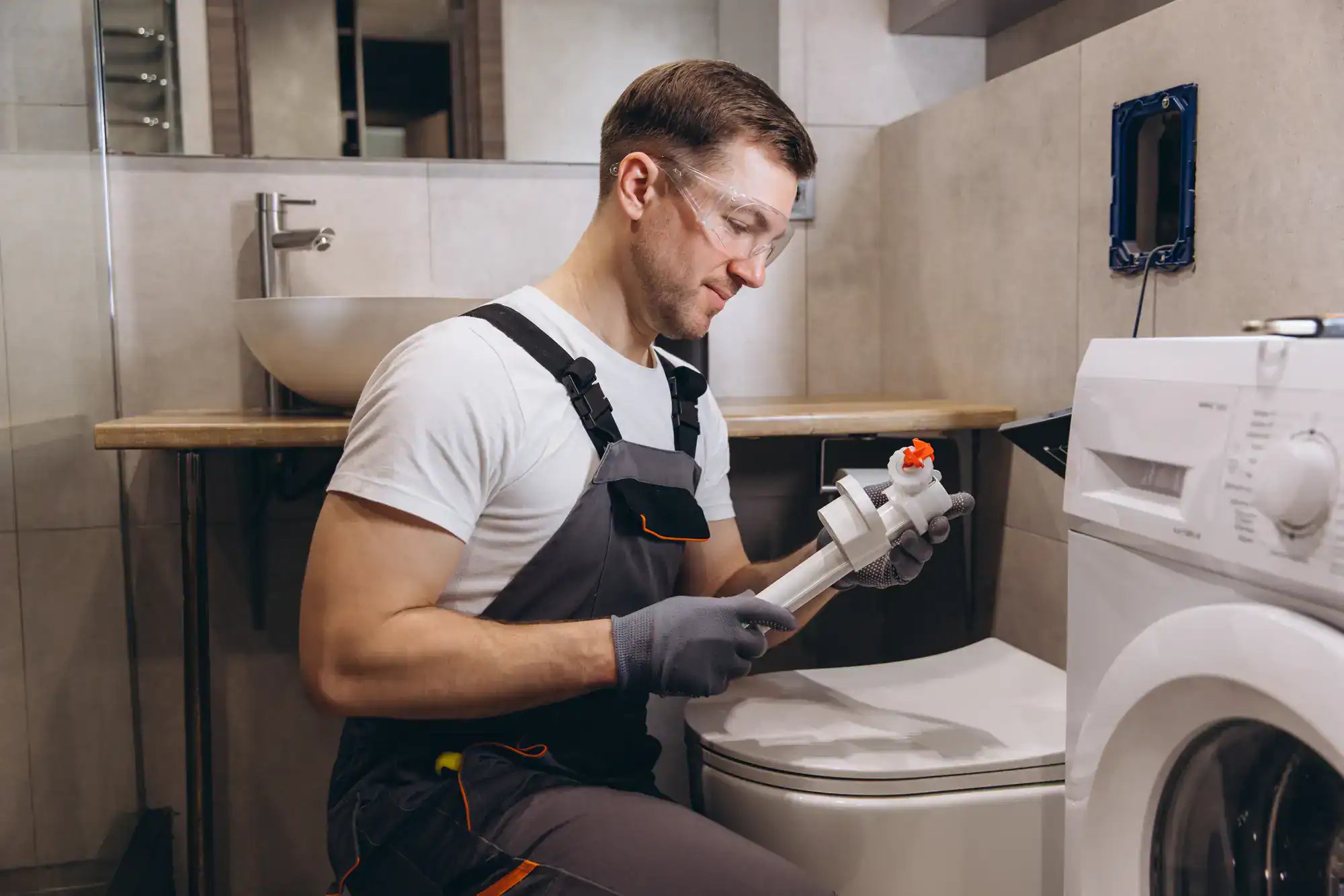
The most common complaint people have after a water heater installation isn’t the quality of the work — it’s the final bill being higher than what they were told at the start. That gap almost always comes from one of a few things: a disposal fee that wasn’t mentioned, a permit fee that was left off the quote, a code upgrade that the contractor “discovered” mid-job, or a trip charge that appeared out of nowhere.
A written, itemized estimate should include the cost of the unit itself, labor for the installation, permit fees, disposal of the old unit, and any code-required modifications that were identified during the initial assessment. If a contractor gives you a number over the phone without seeing your setup, treat that number as a rough ballpark, not a commitment. And if someone shows up and starts adding charges after the work has already begun, that’s a problem.
What you want is a contractor who walks through the job first, identifies anything that needs to be addressed, and gives you a complete number before the work starts. That’s not unusual to ask for — it’s the standard a licensed, professional plumber should hold themselves to. We do it every time, and we’re happy to explain why every line item is on the estimate.
Most water heater lifespan guides are written for a national average that doesn’t account for what’s happening here. Our region’s humidity averages above 75% year-round, and that moisture accelerates the corrosion process on the outside of tank water heaters — the fittings, the connections, the anode rod. Meanwhile, the hard water from the Floridan Aquifer deposits scale and sediment inside the tank, making the unit work harder and reducing its efficiency over time. Both of these factors are quietly shortening the life of your water heater faster than you’d expect in a drier climate.
This is why a 10-year-old water heater in Alachua County often looks and performs more like a 12 or 13-year-old unit would elsewhere. If yours is showing signs of rust-colored water, inconsistent temperature, rumbling or popping sounds during heating cycles, or a visible leak around the base — those aren’t quirks to monitor. They’re signals that the unit is near the end of its useful life.
The good news is that replacing before a full failure gives you control over the timing. You can schedule the job on your terms, choose the right unit without being rushed, and avoid the disruption of waking up to no hot water and needing same-day emergency service. If you’re already in that situation, same-day water heater installation is available — so even an emergency doesn’t have to mean going without hot water for long.
One more thing specific to our market: if you own rental property near the University of Florida, the summer months between academic years are the most logical window for proactive water heater replacement. It’s easier on your tenants, easier to schedule, and avoids the stress of a mid-semester failure that needs immediate attention.
The bottom line is this: water heater installation cost in Alachua County is manageable when you know what’s included and who you’re dealing with. Most standard tank replacements fall between $1,100 and $2,100 all in. Tankless systems cost more upfront but can make sense over the long haul. Either way, the unit is only part of the equation — the contractor you choose determines whether that quote holds or grows.
Ask for a written, itemized estimate before any work begins. Confirm that permits will be pulled. Ask whether disposal is included. Those three questions alone will tell you a lot about who you’re working with.
We’ve been serving Alachua County for over six years as a family-owned, licensed, and insured plumbing company. If you’re ready to get a straight answer on what your water heater replacement will actually cost, give us a call — we’ll come out, assess your setup, and give you a complete number before we start.
—
**Frequently Asked Questions**
**How much does water heater installation cost in Alachua County, FL?** Most homeowners in Alachua County pay between $1,100 and $2,100 for a standard tank water heater replacement, fully installed. That includes the unit, labor, permit fees, and disposal of the old unit. Tankless systems run higher — typically $2,100 to $6,500 — depending on the unit and any infrastructure work your home requires. The permit required for water heater replacement in Alachua County typically adds $50 to $150 to the total, and that inspection step is not optional — it’s part of Florida Building Code compliance.
**What factors affect water heater replacement cost the most?** The biggest variables are the type and size of unit, whether your home needs gas line or electrical upgrades to support the new system, and whether the contractor includes permit fees and disposal in the quoted price or adds them later. Labor rates, brand, and warranty coverage also play a role. Getting an itemized written estimate before work starts is the most reliable way to avoid surprises.
**How long does a water heater last in Alachua County, FL?** Nationally, tank water heaters average 8 to 12 years. In Alachua County, the combination of hard water from the Floridan Aquifer and the region’s high year-round humidity tends to shorten that window. Sediment buildup inside the tank and accelerated external corrosion are both common in our service area. If your unit is 9 or 10 years old and showing any symptoms — inconsistent heat, discolored water, unusual sounds — it’s worth getting it assessed before it fails entirely.
**Do I need a permit to replace a water heater in Florida?** Yes. In Florida, water heater replacements require a permit in virtually all cases. In Alachua County, that permit is issued through either the City of Gainesville Building Inspection Division or the Alachua County Building Department, depending on your address. After installation, a building inspector verifies the work meets Florida Building Code requirements. Unpermitted water heater installations can create problems when you sell your home and may void the manufacturer’s warranty. We handle the permit process as part of our service.
**Is it worth going tankless in Alachua County?** It depends on your home’s current setup and how long you plan to stay. Tankless units cost more upfront but last longer and use less energy — savings of $150 to $200 per year on your GRU bill are realistic, and eligible models qualify for a 30% federal tax credit in 2026. If your gas line needs upsizing or your venting system needs a full replacement to accommodate a tankless unit, factor those costs in before deciding. For some homes, a quality tank replacement is the smarter move. We can assess your specific situation and recommend what makes the most sense for your household.
Summary:
Share: