Not sure what a water heater replacement should actually cost? This guide breaks down real numbers for tank, tankless, and gas systems — so you're never caught off guard.
Your water heater quit. Or it’s making that low rumble that means it’s close. Either way, you’re now trying to figure out what this is going to cost — and whether the quote you’re about to get is fair.
That’s exactly what this page is for. We’re going to walk through real cost ranges for water heater installation, replacement, and repair here in Alachua County, FL — including the add-ons that tend to catch people off guard. No bait-and-switch numbers. No “call for pricing” non-answers. Just the information you need to make a confident decision.
The most common question we hear is some version of: “Is tankless actually worth it?” The honest answer is — it depends on your home and how long you plan to stay in it. Tankless systems cost more upfront, but they last longer and use less energy. Traditional tank units are cheaper to install but cost more to operate year after year.
Nationally, a standard tank water heater replacement runs between $882 and $1,817 installed, with an average around $1,339. Tankless installations average $2,637, with a typical range of $1,405 to $3,899 — and that number can climb higher if your home needs supporting infrastructure work to make the switch.
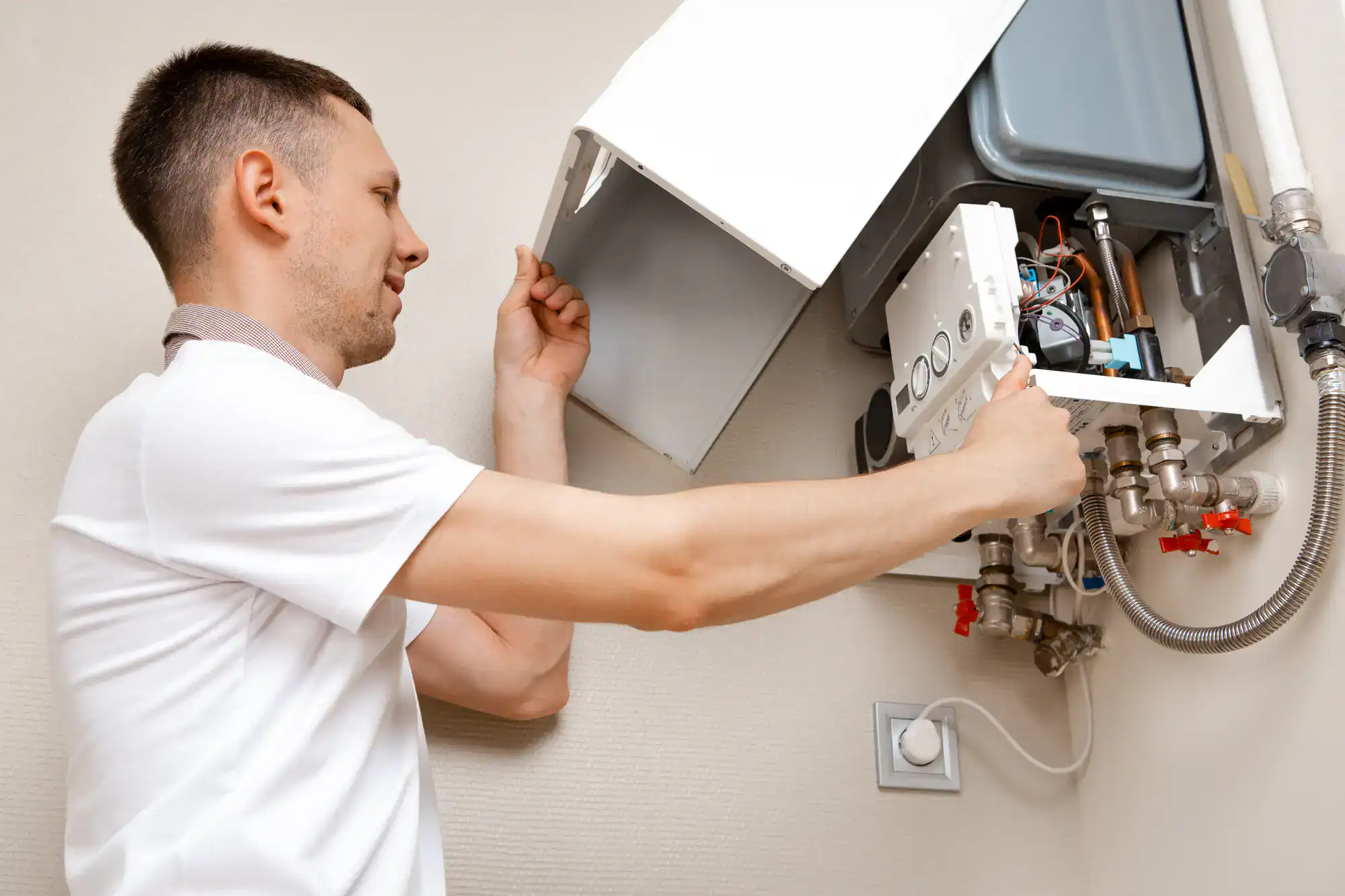
The unit itself is only part of the cost. Where tankless installations get expensive — and where a lot of homeowners get surprised — is in the supporting work required to make the system actually function.
Gas tankless water heaters need a higher BTU input than traditional tank units, which often means upgrading the gas line to handle the increased flow. That alone can add $260 to $820 to the project, and in some cases more if the line runs a long distance or requires new fittings throughout. On top of that, tankless units require dedicated venting — either new venting if none exists ($500 to $1,500) or modifications to existing venting ($100 to $600). These aren’t optional line items. They’re code requirements.
Electric tankless systems carry their own set of add-ons. Most homes don’t have an electrical panel configured to handle the load, which means a new dedicated circuit or sub-panel upgrade — typically $500 to $1,000, sometimes more depending on the panel’s age and condition.
In Gainesville and throughout Alachua County, a lot of the housing stock was built between the 1960s and 1990s. Those homes often have original venting configurations, undersized gas lines, and electrical panels that weren’t designed with modern appliances in mind. That’s not a dealbreaker — it just means a proper assessment before the job starts matters a lot. An accurate estimate accounts for what your specific home needs, not just what the unit costs on a shelf.
When you add it all up — unit, labor, venting, gas line work, permit fees ($25 to $300 in Florida), and haul-away of the old tank ($100 to $500) — a full tankless conversion in a home that needs infrastructure upgrades can land anywhere from $3,000 to $8,000. That’s a wide range, which is exactly why a real on-site assessment is worth more than any online estimate.
The upfront cost of a tankless system is real, but so is the long-term savings — and that math is worth understanding before you make a decision either way.
Traditional tank water heaters keep 40 to 75 gallons of water hot around the clock, whether you’re using it or not. That’s called standby heat loss, and it adds up. Gas tankless units eliminate that entirely by heating water only when you turn on the tap. The result is roughly 20 to 40 percent less energy used for water heating — which translates to about $150 to $200 in annual savings compared to a standard 50-gallon gas tank unit.
Water heating accounts for approximately 14 to 18 percent of a home’s total energy use, according to the U.S. Department of Energy. For a household running a gas tank unit at current GRU rates, that’s a meaningful monthly line item. Switching to tankless doesn’t eliminate that cost, but it reduces it consistently over the life of the system.
Lifespan is the other factor. A traditional tank water heater typically lasts 10 to 15 years. A tankless unit, properly maintained, can last 20 years or more. So while you’re paying more upfront, you’re also buying more years before the next replacement — and in a market like Alachua County where hard water accelerates sediment buildup and shortens tank life, that extended lifespan matters more than it might in other parts of the country.
The payback period on a tankless system — meaning the point where cumulative energy savings offset the higher installation cost — typically runs 7 to 12 years depending on usage and what infrastructure work was required. For homeowners who plan to stay long-term, it often makes sense. For landlords managing rental properties near UF who prioritize lower upfront cost and quick turnaround, a high-efficiency tank unit is frequently the more practical call.
Want live answers?
Connect with a Dee Rooter Plumbing expert for fast, friendly support.
Gas water heaters are the most common type throughout Alachua County, largely because Gainesville Regional Utilities provides natural gas service to much of the area and gas tends to cost less per BTU than electricity for water heating. Replacing a gas unit — whether tank or tankless — involves a few cost layers that are worth understanding before you get a quote.
A standard gas tank water heater replacement typically runs $1,200 to $2,500 installed, covering the unit, labor, and a straightforward swap in a home where the existing venting and gas line are already properly configured. The more variables that come into play, the wider that range gets.
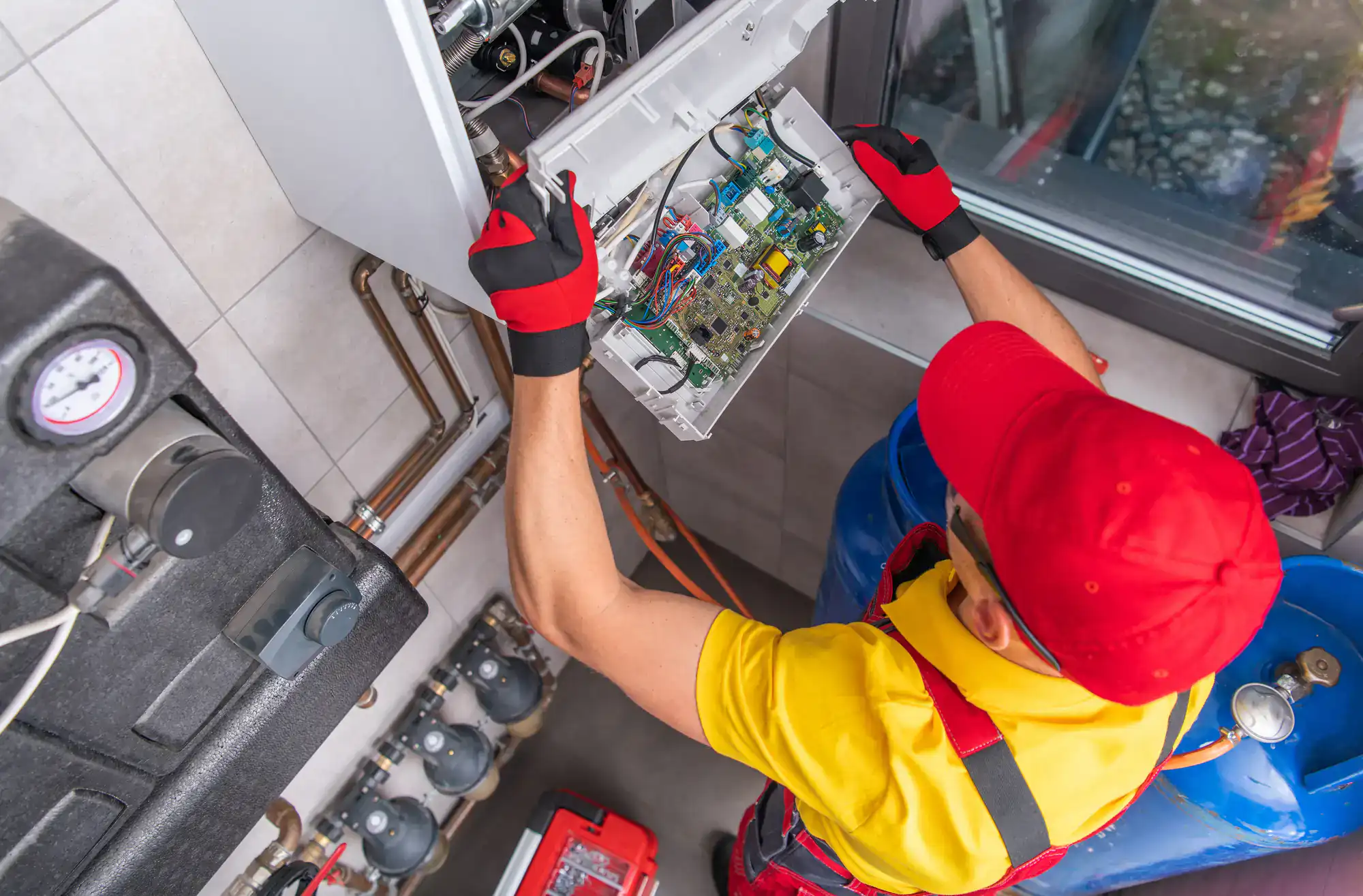
Venting is one of the most overlooked cost factors in a gas water heater replacement — and one of the most important from a safety standpoint. Gas combustion produces exhaust gases that need to be properly routed out of the home. If the venting isn’t right, you’re looking at carbon monoxide risk, not just a code violation.
There are two main venting types for gas water heaters: direct vent and power vent. Direct vent units draw combustion air from outside and exhaust directly through a wall or roof — simpler and typically less expensive to install. Power vent units use a blower to push exhaust through PVC piping, which gives you more flexibility in where the unit can be located but adds $300 to $600 to the installation cost for the unit upgrade plus electrical connection.
If you’re replacing a like-for-like unit in the same location with existing venting in good condition, the venting cost is minimal — maybe a few fittings and an inspection. But if the existing vent pipe is corroded, improperly sized, or needs to be rerouted because you’re changing unit types or locations, expect to add $100 to $600 for modifications or $500 to $1,500 for a new installation.
In older Alachua County homes — particularly those built before the 1990s — original venting systems sometimes don’t meet current Florida Building Code requirements. The 2023 Florida Building Code has specific combustion air and flue termination standards that apply to all new and replacement gas water heater installations. When we assess a job, we check the existing venting against current code before giving a number. That’s not something every contractor does, and it’s one of the reasons our estimates tend to be accurate rather than aspirational.
Florida also requires permits for water heater replacements, and Alachua County is no exception. Whether your property falls under the City of Gainesville’s building department or the county’s Growth Management office, a permit is required — and that means a licensed plumbing contractor needs to pull it. We handle the permitting process as part of every job.
Not every water heater problem calls for a full replacement. A faulty thermostat, a burned-out heating element, or a failed pilot light assembly are all repairable — and at an average repair cost of $90 to $600 for most common issues, repair is often the right call on a younger unit.
The question gets harder when the unit is older and the repair isn’t minor. The general rule of thumb is this: if the repair estimate exceeds 50 percent of what a new unit would cost installed, replacement is usually the smarter financial move. You’re paying a significant amount to extend the life of a system that’s already near the end of its expected lifespan — and you’re not getting a warranty or improved efficiency out of it.
Age is a major factor. A gas tank water heater typically lasts 10 to 15 years. If yours is 10 years old and needs a $700 repair, that’s money going into a unit that may fail again within two or three years. A new unit comes with a manufacturer’s warranty, better energy efficiency ratings, and another decade or more of reliable service.
There’s also the hard water factor to consider in Alachua County specifically. Parts of North Florida have water with higher mineral content, and that accelerates sediment buildup inside the tank. Sediment reduces heating efficiency, forces the unit to work harder, and shortens its overall lifespan. If you’ve never had your water heater flushed and it’s been sitting in your home for eight or more years, sediment buildup may already be compromising performance — and a repair won’t fix that.
One more thing worth knowing: a failing water heater tank that goes unreplaced doesn’t just stop working quietly. A corroded tank can fail catastrophically, releasing 40 to 75 gallons of water into your home. That’s a water damage event, not just an appliance replacement. If you’re seeing rust-colored water, hearing rumbling or popping from the tank, or noticing moisture around the base of the unit, those are signs worth acting on before the decision gets made for you.
Water heater decisions aren’t complicated once you have the right information — and that’s really what this comes down to. Knowing the real cost ranges, understanding what drives the price up or down, and being able to tell a fair quote from a low-ball one that’ll balloon later puts you in a much better position than going in blind.
If your unit is showing its age, acting up, or has already given out, the next step is a real assessment from someone who knows what Alachua County homes actually look like — the older venting systems, the GRU gas configurations, the building department requirements for both city and county properties.
We’ve been doing this work in Gainesville for over six years. We give upfront estimates, pull the permits, and show up when we say we will. If you’re ready to get a straight answer on what your water heater replacement or repair will actually cost, reach out to us — we’ll give you a real number before any work begins.
Summary:
Share: